Buying a salvage vehicle can either be a smart financial decision or a very expensive mistake. The difference usually comes down to one thing: how thoroughly the vehicle was inspected before the purchase.
Too many buyers rely on auction photos, vague damage descriptions, or optimistic assumptions. The reality is that auction listings are designed to sell vehicles, not protect buyers. Photos are carefully selected, damage categories are broad, and many serious problems simply cannot be seen through a screen. A salvage vehicle that appears clean online may hide structural damage, electrical failures, flood exposure, or poor previous repairs that can cost thousands later.
That does not mean salvage vehicles are bad purchases. Some are excellent opportunities when the damage is isolated and repairable. The key is understanding exactly what you are buying before placing a bid. A proper inspection helps separate cosmetic damage from structural damage, estimate realistic repair costs, and determine whether the vehicle can ever be restored safely and reliably.
Whether you are purchasing a rebuild project, a daily driver, or evaluating a vehicle for armored conversion at Armormax, taking the time to inspect the vehicle carefully can save enormous amounts of money, frustration, and risk later.
Start With the Exterior
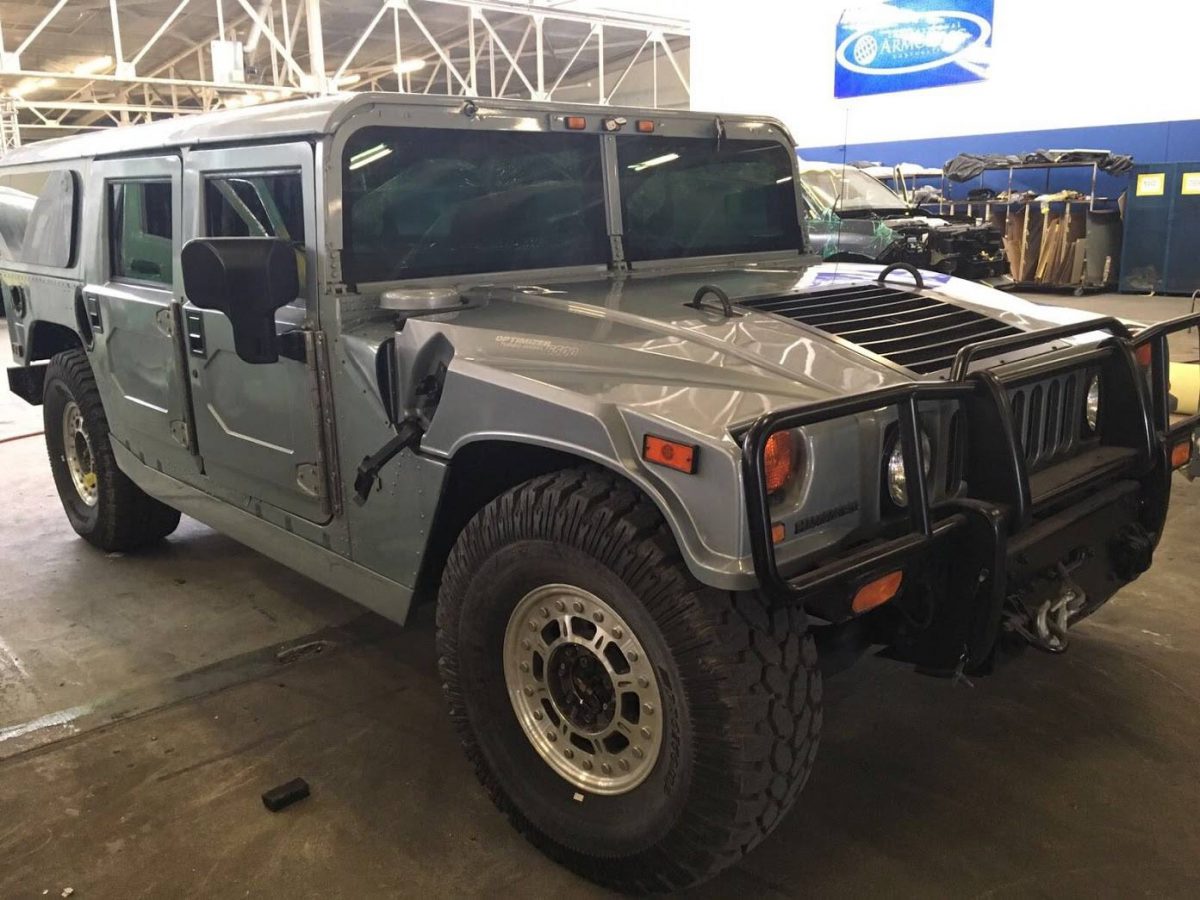
The inspection should begin with a slow walk around the entire vehicle. Before focusing on the obvious damaged areas, look at the vehicle as a whole. Experienced mechanics can often identify major concerns within minutes simply by observing alignment and body consistency.
Pay close attention to the spacing between:
- Doors
- Hood
- Fenders
- Trunk lid
- Bumpers
Uneven panel gaps are one of the strongest indicators of frame movement or structural shifting. A hood sitting higher on one side, a door requiring extra force to close, or a trunk that no longer lines up evenly can all suggest the vehicle absorbed more impact than the auction listing reveals.
Paint condition also tells an important story about the vehicle’s history. Look carefully for:
- Overspray on trim or rubber seals
- Color mismatches between panels
- Differences in paint texture
- Sanding marks under clear coat
- Freshly painted sections
These signs often indicate prior bodywork. That is not automatically a problem on a salvage vehicle, but poor-quality repairs may suggest shortcuts were taken during the rebuild process. Cheap cosmetic repairs can sometimes hide deeper structural or mechanical issues underneath.
Glass and lighting should also be inspected carefully. Cracks, moisture inside lights, poorly fitted headlights, or non-OEM replacement glass may indicate previous collision damage or rushed repairs. Modern LED headlights and advanced lighting systems can cost thousands of dollars to replace, especially on luxury vehicles.
Examine the paint carefully across every panel of the vehicle, not just the areas with obvious damage. Overspray on trim pieces, rubber seals, or glass often indicates previous bodywork or repainting. Slight differences in color, texture, or gloss between adjacent panels can also suggest that repairs were made at some point. While these signs are not necessarily dealbreakers, they may indicate the vehicle underwent repairs that were either poorly documented or not disclosed in the auction listing.
Under the Hood
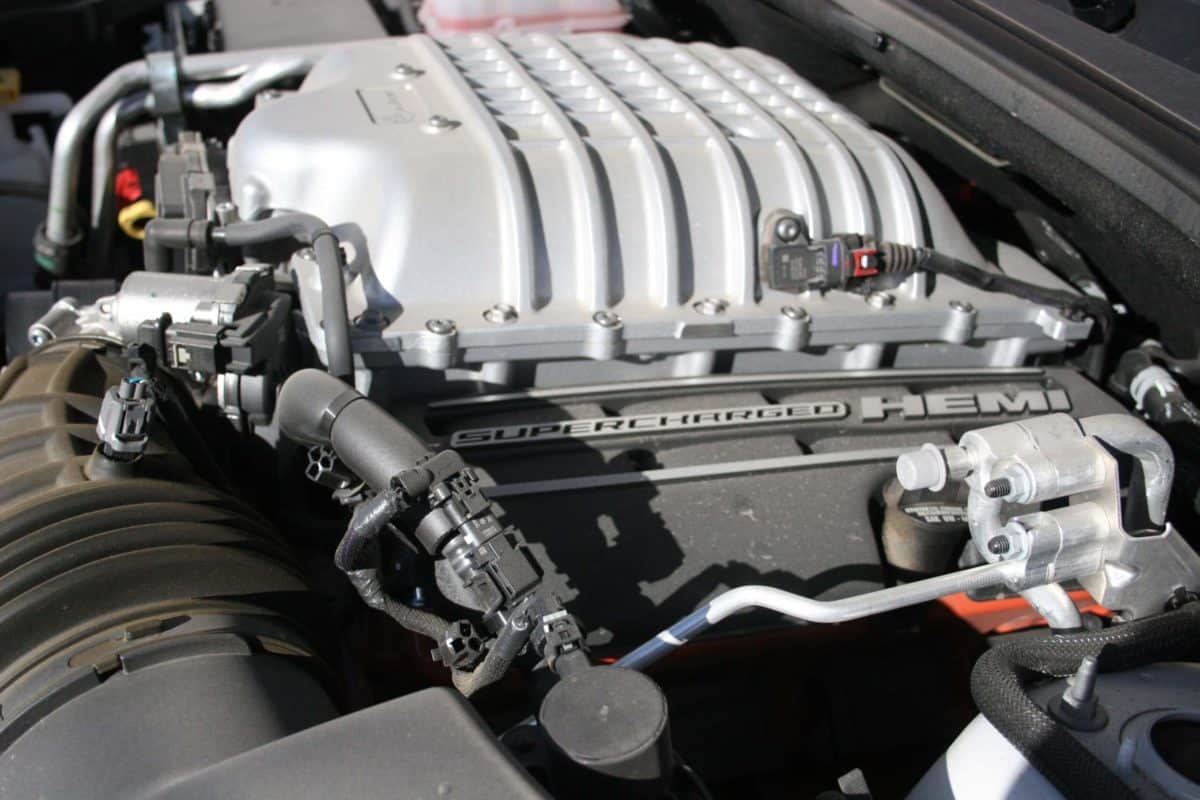
Many buyers focus only on whether the engine starts, but the surrounding structure often reveals far more about the severity of the accident.
Look closely at the:
- Radiator support
- Shock towers
- Inner fenders
- Firewall
- Frame aprons
Bent metal, creases, fresh paint, uneven welds, or newly applied undercoating may indicate previous front-end damage that extended deeper into the structure of the vehicle.
Fluid condition is equally important because it reveals both maintenance history and possible mechanical failures.
Check the:
- Engine oil
- Coolant
- Transmission fluid
- Brake fluid
- Power steering fluid
Dark, sludgy oil often suggests poor maintenance, while milky oil may indicate coolant contamination from a blown head gasket or internal engine damage. Coolant contaminated with oil or rust buildup can also point to overheating or neglected care. Transmission fluid should appear relatively clean and should not smell burnt.
Many bank-repossessed or salvage vehicles suffer from both accident damage and deferred maintenance. Buyers need to account for both when estimating repair costs.
Inspect the Frame and Undercarriage
One of the most important parts of the inspection happens underneath the vehicle. Unfortunately, it is also one of the most overlooked areas by inexperienced buyers.
If possible, place the vehicle on a lift. If that is not available, use a flashlight and inspect the undercarriage carefully.
Pay attention to the:
- Frame rails
- Subframe
- Floor pans
- Suspension mounting points
- Brake lines
- Exhaust system
- Fuel tank
Look for:
- Bent metal
- Wrinkles in the frame
- Cracks
- Rust around repairs
- Fresh welds
- Uneven weld patterns
Factory welds are typically smooth and consistent. Repair welds often appear rough, uneven, or heavily ground down.
Undercarriage damage can create long-term drivability and safety issues. Bent suspension components may affect steering and alignment. Damaged brake lines can become immediate safety hazards. A compromised fuel tank or cracked subframe may require far more extensive repairs than expected.
Vehicles that have experienced curb impacts, flooding, or major collisions often carry hidden damage underneath that auction photos never show.
Interior and Electronics
The interior can reveal just as much about a vehicle as the exterior.
Sit in the driver’s seat and test every electronic function possible. Modern vehicles rely heavily on sensors, modules, cameras, and integrated electronics, which means even relatively minor accidents can create expensive electrical issues.
Test all:
- Windows
- Door locks
- Mirrors
- Climate controls
- Infotainment systems
- Backup cameras
- Parking sensors
- Dashboard displays
- Seat adjustments
- USB and charging ports
Electrical problems are often some of the most frustrating and expensive issues to diagnose because wiring damage or water intrusion can affect multiple systems at once.
Seatbelts deserve particularly close attention. After a collision, seatbelt pretensioners deploy and usually require replacement.
Warning signs include:
- Uneven seatbelt retraction
- Locked seatbelts
- Frayed belt material
- Airbag warning lights
Some rebuilders attempt shortcuts by bypassing safety systems instead of replacing them correctly. That creates major safety risks for future occupants.
Water damage is another critical red flag buyers should never ignore. Look carefully for:
- Musty odors
- Damp carpeting
- Corrosion under seats
- Rust on seat brackets
- Water stains on the headliner
- Mold
- Fogging inside lights
Flood-damaged vehicles often develop ongoing electrical problems months after purchase, even if they initially appear clean. In many situations, flood vehicles simply are not worth the long-term risk unless the buyer fully understands the repair scope.
Use an OBD-II Scanner
An OBD-II scanner is one of the best tools a salvage vehicle buyer can carry. Even inexpensive scanners can reveal hidden problems that are impossible to identify visually.
A scanner can uncover:
- Active fault codes
- Historical trouble codes
- Hidden warning lights
- Emissions problems
- Sensor failures
Pay close attention to:
- Airbag codes
- ABS system faults
- Transmission errors
- Misfire history
- Electrical communication faults
A vehicle with multiple faults across different systems may have sustained far more severe damage than the listing suggests.
Some sellers clear warning lights immediately before auction. However, pending and historical codes can still expose underlying problems.
The Biggest Mistake Buyers Make
One of the most common mistakes buyers make is underestimating repair costs. The cheapest salvage vehicle upfront often becomes the most expensive vehicle later.
What appears to be minor cosmetic damage may actually require:
- Frame correction
- Suspension repairs
- Radar recalibration
- Airbag replacement
- Electrical diagnostics
- Sensor replacement
- Extensive labor
Modern vehicles are significantly more complex than they were even 10 years ago. Safety systems, cameras, lane assist technology, adaptive cruise control, and advanced electronics all increase repair complexity and cost.
A vehicle that appears to need “just a bumper” can quickly turn into a multi-thousand-dollar repair project once hidden damage is uncovered.
Final Thoughts
Buying a salvage vehicle successfully requires patience, discipline, and skepticism. The goal is not simply to find a cheap vehicle. The goal is to understand exactly what is damaged, what it will cost to repair properly, and whether the finished vehicle can be safe and reliable long term.
A thorough inspection protects buyers from emotional decisions and expensive surprises. Every extra hour spent inspecting before bidding can save thousands of dollars later.
And when uncertainty exists, bringing in a qualified mechanic or collision specialist is almost always worth the cost. A professional inspection fee is insignificant compared to the financial risk of purchasing the wrong vehicle.