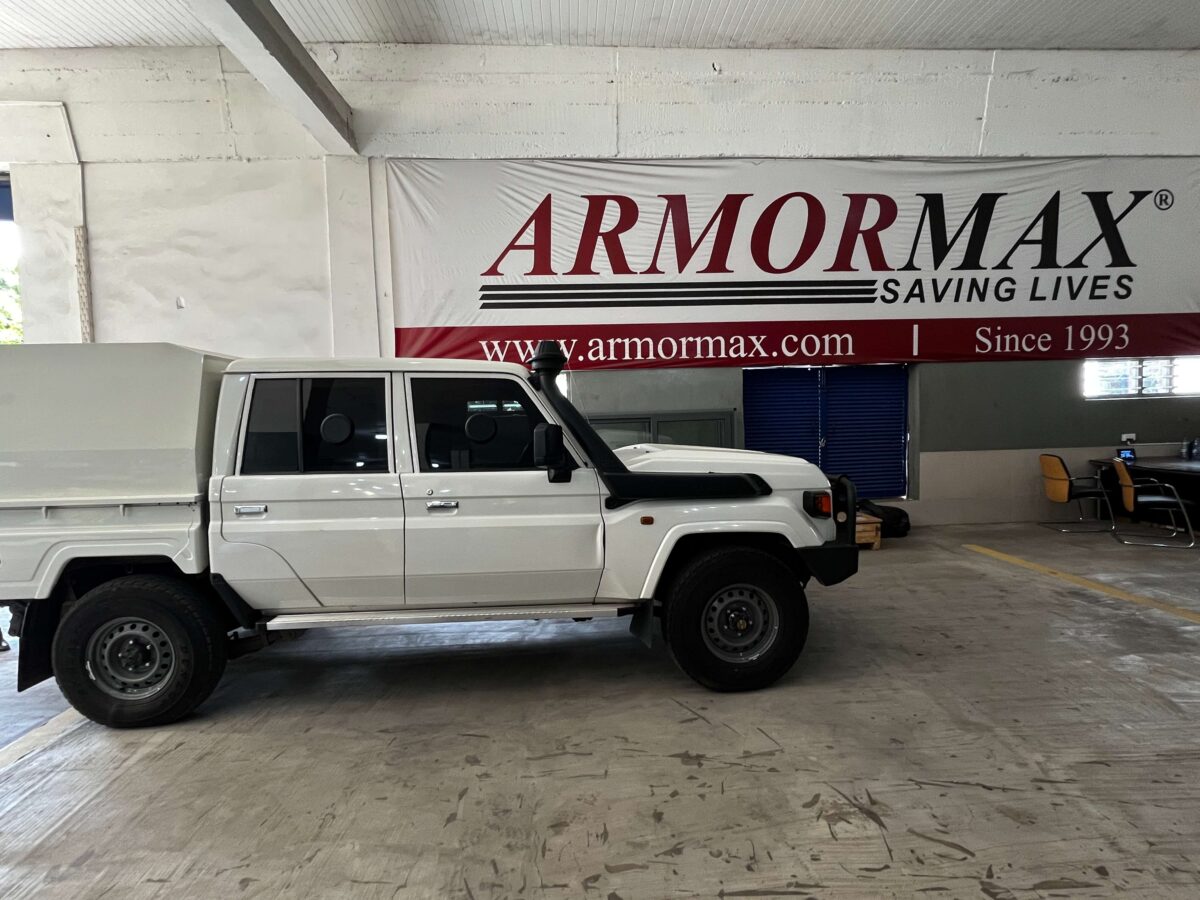
Interested to learn more about armoring? Call us at 1-801-393-1075 or see our videos page.
When standard security isn’t enough, bulletproof cars from Armormax deliver more than just armored plating—they represent a complete ecosystem of tactical upgrades designed for real-world threats. The difference between surviving an attack and becoming a statistic often comes down to the accessories you choose.
Armormax transforms factory vehicles into fortress-on-wheels with specialized security enhancements that extend far beyond ballistic protection. From run-flat tire systems that keep you moving after punctures to reinforced suspension engineered to handle the additional 500-2,500 pounds (depending on the level and type of vehicle) of armor weight, every component serves a tactical purpose. Cash-in-transit operations in Ghana demand specific configurations—heavy-duty floor plating, communication blackout systems, and rapid-deployment emergency exits.
The customization spectrum ranges from discreet executive protection (where armor remains invisible) to high-visibility security vehicles sporting external sirens, strobe lighting, and tactical communication arrays. Whether outfitting bullion vans for Accra-based security companies or executive sedans for corporate leaders, the accessories determine operational capability when seconds matter most.
Here’s what separates functional armor from complete security solutions.
Essential Bulletproof Car Accessories
When outfitting an armored vehicle, the Armormax accessories catalog goes far beyond basic ballistic protection. These purpose-built components transform security vehicles into comprehensive defense platforms designed for real-world threats.
Core protective accessories include:
- Run-flat tire systems – Allow continued operation after tire damage, critical for escaping ambush scenarios
- Reinforced suspension kits – Compensate for added armor weight while maintaining handling characteristics
- Emergency sirens and PA systems – Provide audible warnings and crowd control capabilities
- Oxygen systems – Enable breathing during chemical attacks or prolonged sealed cabin situations
- Fire suppression equipment – Automatically detect and extinguish cabin or engine fires
For CIT bullion vans in Ghana and security fleets operating in Accra, these accessories prove essential rather than optional. The combination of night vision systems, pepper spray dispensers, and electric door handles creates layered defense that addresses multiple attack vectors simultaneously.
What separates professional-grade accessories from aftermarket alternatives? Integration. Each component undergoes testing alongside the armor package to ensure compatibility, reliability, and performance under extreme conditions—making them genuine force multipliers for protection.
Advanced Mobility Enhancements
When your armored vehicle needs to move fast under threat, run-flat tire systems become mission-critical. These specialized inserts allow punctured tires to maintain structural integrity for 50+ miles at highway speeds—enough distance to reach safety even after a blowout or direct attack. Combined with reinforced suspension systems that compensate for any additional weight, these mobility upgrades ensure your protected vehicle handles like it’s unarmored.
Performance-enhancing armored vehicle options extend beyond tires and shocks. Heavy-duty brake packages compensate for increased stopping distances, while upgraded cooling systems prevent engine overheating during extended high-speed pursuits. For CIT bullion vans operating in Ghana’s challenging terrain, reinforced chassis cross-members distribute armor weight evenly, preventing frame stress that could sideline vehicles during critical cash-in-transit operations.
The siren and emergency lighting packages available through Armormax’s conversion specialists integrate seamlessly with armored bodywork—no drilling that compromises ballistic protection. Security companies in Accra particularly value these covert systems that activate instantly when situations escalate, clearing traffic lanes while maintaining the vehicle’s low-profile appearance during routine operations.
Interior and Exterior Security Features
Beyond mobility and ballistic protection, comprehensive security systems integrate seamlessly into Armormax armored vehicles to create multi-layered defense. These features address both passive protection and active threat response scenarios common in high-risk environments.
Exterior security enhancements include heavy-duty door hinges engineered to support the additional weight of armored panels without compromising function. Reinforced door seals prevent intrusion while maintaining pressure integrity during attacks. Armored fuel tanks protect one of a vehicle’s most vulnerable components, while tamper-resistant locks and electronic countermeasures guard against unauthorized access when the vehicle is unattended.
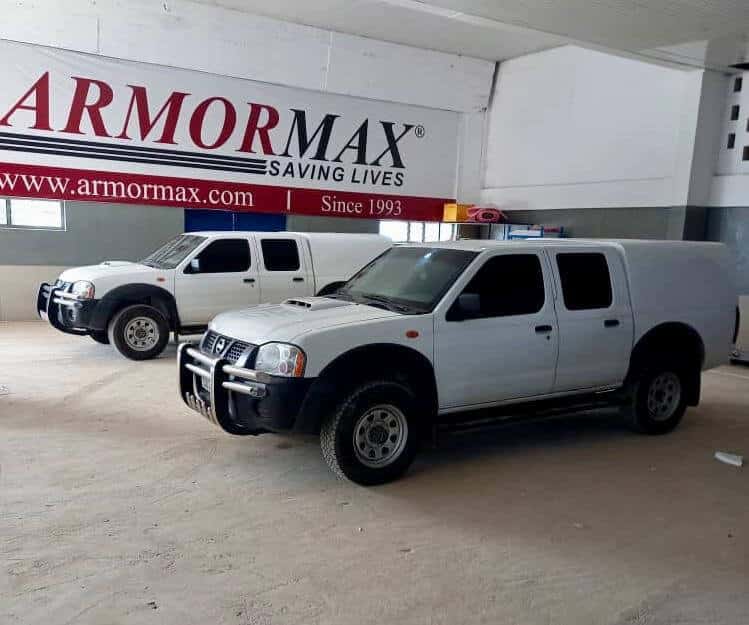
Advanced communication systems keep occupants connected during emergencies. Integrated intercom systems allow secure communication between passengers and security personnel without lowering windows. External PA systems enable controlled dialogue with outside parties while maintaining the protective barrier. These prove essential for CIT bullion operations in Ghana where communication protocols are critical.
The integration of run-flat tires with security lighting systems creates a complete defensive package—illuminating escape routes while maintaining mobility after tire damage, a combination that transforms how executive protection teams operate during coordinated attacks.
Interior Executive Enhancements
Once you’ve secured the perimeter with bulletproof glass and ballistic panels, attention turns inward—because high-risk transport doesn’t mean sacrificing comfort or functionality. Armormax offers several executive-grade interior upgrades that transform armored vehicles into mobile command centers.

Premium Communication Systems include encrypted satellite phones, secure radio networks, and integrated PA systems for convoy coordination. Cash-in-transit managers in Accra particularly value these systems when coordinating multi-vehicle routes through congested urban areas.
Climate Control Enhancements become critical when additional armor adds thermal mass. Upgraded HVAC systems compensate for heat retention, maintaining comfortable cabin temperatures during extended operations—essential for Ghana’s tropical climate.
Ergonomic Seating Modifications reinforce existing seats to support the added vehicle weight while integrating storage for emergency equipment. Some armored car accessories include custom consoles with biometric safes, document shredders, and quick-access weapon mounts positioned for rapid deployment.
Ambient Lighting and Privacy options range from UV-resistant window tinting (separate from ballistic glazing) to switchable smart glass that obscures interior visibility on demand—a practical feature when transporting high-value cargo through public areas where visual security matters as much as physical protection.
Case Study: Armoring CIT Bullion Vans in Ghana
Cash-in-transit operations across West Africa face unique challenges—dusty terrain, unpredictable road conditions, and elevated security threats that demand specialized solutions. When a major Ghanaian financial institution needed to upgrade their bullion transport fleet, they turned to Armormax for a comprehensive armoring package that balanced protection with operational efficiency.
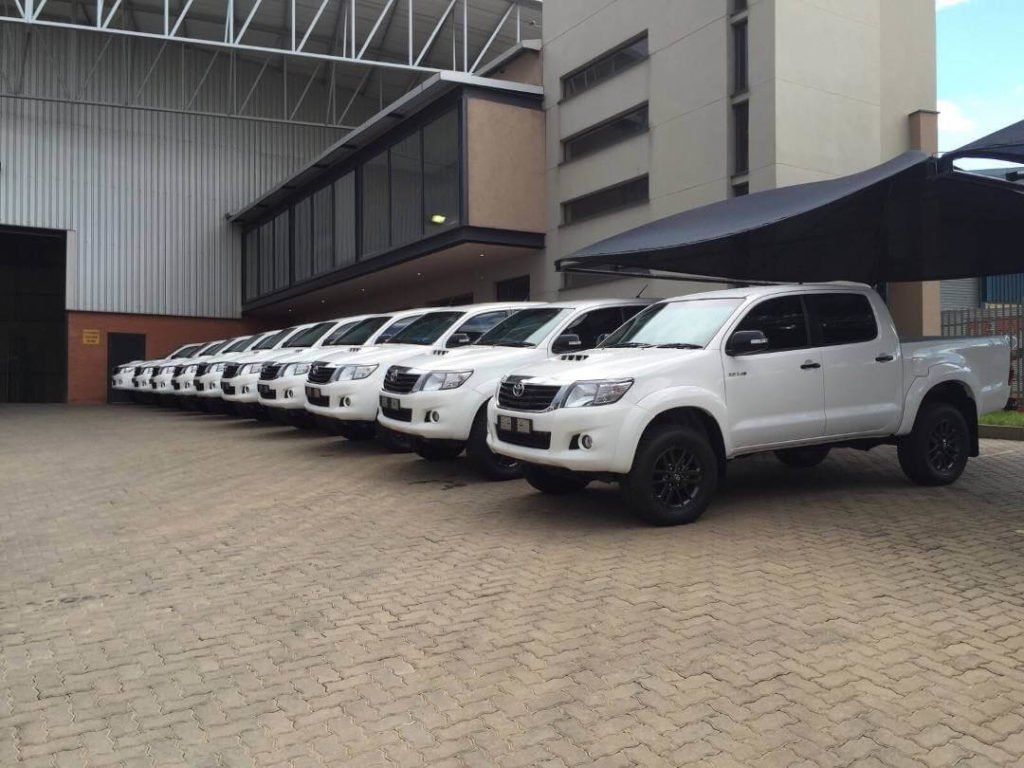
The project centered on retrofitting six Toyota Land Cruisers with B6-level ballistic protection, designed to withstand AK-47 rounds and coordinated ambush scenarios common in the region. However, protection alone wasn’t enough. Each vehicle required run-flat tire systems to maintain mobility after tire punctures, reinforced suspension components rated for the added 900+ kg of armor weight, and 360-degree camera systems for convoy coordination.
What made this deployment successful wasn’t just the visible armor—it was the integration of specialized armored car parts throughout the vehicle architecture. Heavy-duty door hinges, upgraded brake systems calibrated for increased stopping distances, and battery management systems to support additional electrical loads from security equipment. Every component was tested to handle Ghana’s humid coastal climate and interior heat.
The result? Six operational CIT vans that handle daily routes through Accra and Kumasi while maintaining the discrete appearance local operations require—proving that effective armoring starts with understanding real-world deployment contexts.
Security Upgrades for Companies in Accra
For security firms operating in Ghana’s capital, vehicle protection upgrades extend far beyond basic armoring. Accra-based companies transporting executives, cash, or valuables face distinct operational pressures—traffic congestion around Ring Road, dusty Harmattan conditions, and the need for vehicles that blend into civilian traffic while maintaining high security standards.
Communication systems top the priority list. Encrypted two-way radios with GPS tracking let command centers monitor fleet movements in real-time, critical when vehicles navigate unpredictable routes between Kotoka Airport and industrial zones. Many firms add external public address systems for crowd control during tense situations, particularly useful in congested market areas.
Environmental adaptations matter significantly. Reinforced cooling systems prevent overheating during Accra’s hot season, while heavy-duty air filtration protects occupants from road dust without compromising the sealed cabin’s ballistic integrity. Armormax’s knowledge base details how these systems integrate without creating vulnerabilities.
Fleet identification requires balance—subtle exterior modifications like tinted armor glass maintain a low profile, while interior panic buttons and smoke screen deployers provide immediate threat response. Security companies typically specify removal of all external branding that might identify high-value targets.
The Cost of Armormax Accessories and Options
Pricing for armored vehicle accessories varies dramatically based on protection level, vehicle size, and customization depth. A heavy-duty suspension upgrade typically adds $3,000–$15,000 to accommodate the extra 500–2,500 pounds of armor weight, while run-flat tire systems range from $2,000–$8,000 depending on tire specifications and installation complexity.
Communication systems like encrypted radios and satellite phones add another $1,000–$12,000, particularly for multi-vehicle convoy operations common in CIT applications. Executive interior packages—including ballistic privacy curtains, oxygen systems, and intercom setups—can reach $20,000–$40,000 for premium installations.
The total accessory spend often represents 5–25% of the base armoring cost. A B6-level sedan costing $120,000 to armor might accumulate $25,000–$35,000 in essential accessories, while specialized CIT vans in Ghana frequently approach $50,000 in add-ons when factoring in surveillance systems, remote vehicle disablers, and reinforced cargo compartments.
Budget for accessories during initial planning, not as afterthoughts—retrofitting becomes exponentially more expensive once the vehicle is assembled.
Protection rating dramatically influences cost: B4 vehicles require fewer structural reinforcements than B6 models, directly impacting suspension, brake, and cooling system upgrades needed to handle the additional weight.
Limitations and Considerations
While armored vehicles deliver exceptional protection, several practical constraints affect daily operation. Weight remains the primary challenge—adding ballistic steel sheets, composite armor panels, and reinforced glass typically increases vehicle mass by 500-3,000 pounds depending on protection level and type of vehicle. This substantial weight gain directly impacts fuel efficiency, braking distance, and handling characteristics, particularly in Accra’s dense traffic conditions.
Visibility represents another critical trade-off. Bulletproof glass ranges from 1.5 to 3 inches thick, creating noticeable optical distortion that drivers must adapt to. Side and rear visibility becomes particularly challenging during night operations or in heavy rain.
Maintenance costs escalate significantly beyond standard vehicles. Specialized suspension components require replacement more frequently under constant heavy loads. Brake systems wear faster, and tire replacement cycles shorten dramatically. However, these operational considerations pale compared to the security benefits for CIT operations in Ghana.
One often-overlooked limitation: armored doors cannot be opened from inside during power failures without manual override systems. Most vehicles include emergency escape mechanisms, but occupants must receive proper training to avoid dangerous situations during actual incidents.
Key Bulletproof Cars Takeaways
Armoring a vehicle involves far more than just ballistic panels—it’s a comprehensive security ecosystem. Run-flat tire systems remain non-negotiable, allowing continued mobility after tire damage during attacks. Reinforced suspension upgrades counteract the 1,500–3,500 lb weight penalty from armor installation, preventing premature component failure.
Advanced defensive accessories include smoke screen systems that create visual barriers during pursuits, emergency lighting packages for convoy operations, and intercom systems for secure communication without lowering windows. Electric door handles and automated closing mechanisms eliminate vulnerabilities during threat scenarios.
For CIT operations in Ghana and Accra-based security companies, practical additions like cargo area reinforcement, GPS tracking integration, and heavy-duty HVAC systems prove essential. Armormax accessories range from basic safety enhancements to sophisticated counter-surveillance equipment, with most clients selecting 3–5 complementary systems based on threat assessments and operational requirements. Executive packages add biometric entry systems and rear-compartment privacy features while maintaining the armored vehicle’s core protective function.
Is Armormax legal to install on vehicles?
Armoring vehicles is completely legal across most jurisdictions worldwide, including the United States, Ghana, and virtually all African nations. No federal laws prohibit civilians from purchasing and operating armored vehicles—you might need special permits or licenses to own one in certain countries. The legality stems from armoring being classified as a security enhancement rather than a weapon modification.
However, local regulations may apply to specific accessories. Sirens, flashing lights, and certain emergency equipment typically require law enforcement authorization in most countries. Reinforced bumpers and run-flat systems face no restrictions, as they’re considered protective rather than offensive modifications. In Ghana specifically, armored vehicles operate freely for executive protection, cash-in-transit operations, and private security companies without additional licensing beyond standard vehicle registration.
One practical consideration: some regions require updated registration documentation reflecting the vehicle’s modified weight. Installation facilities like Armormax handle compliance paperwork, ensuring your armored vehicle meets all transportation standards before delivery. The armoring process itself remains perfectly legal—it’s the operational use of certain accessories that may need permits.
What is Armormax known for?
Armormax has built its reputation on invisible protection—armoring that doesn’t advertise itself. Unlike competitors who add obvious bulk and weight, Armormax specializes in lightweight ballistic materials that maintain the vehicle’s original appearance and handling characteristics. Their signature approach integrates ballistic panels seamlessly into doors, pillars, and roof structures without compromising aesthetics.
The company’s certification across multiple protection levels sets them apart in African markets. From B4-rated vehicles for executive transport to B6 and higher ratings for high-threat environments, Armormax maintains rigorous testing standards. Their protection rating system ensures clients in Ghana and across the continent receive verified defense against specific threat profiles—whether handgun rounds or armor-piercing rifle ammunition.
Performance optimization rounds out Armormax’s reputation. Adding 400-800kg of armor demands comprehensive engineering: high-performance brakes to handle increased stopping distances, upgraded suspension systems to maintain ride quality, and enhanced cooling systems for power-train longevity. This holistic approach ensures armored vehicles don’t just survive attacks—they maintain operational reliability under demanding African road conditions.
What are some armored car accessories?
Armored vehicles become exponentially more effective with the right accessories—and Armormax offers a comprehensive catalog designed specifically for high-threat environments. These aren’t cosmetic upgrades; they’re strategic enhancements that address real operational vulnerabilities.
Run-flat tire systems rank among the most critical additions. These allow vehicles to maintain mobility after tire punctures—often the first target in ambush scenarios. Coupled with reinforced suspension, which compensates for the additional weight of armoring materials, these systems ensure vehicles handle predictably even under duress.
Communication and alert systems include encrypted radios, emergency sirens, and PA systems—essential for security convoys and CIT operations in Accra where coordination matters. Blinding lights and smoke screens provide tactical escape options, while ballistic glass overlays add an extra protection layer to standard armored windows.
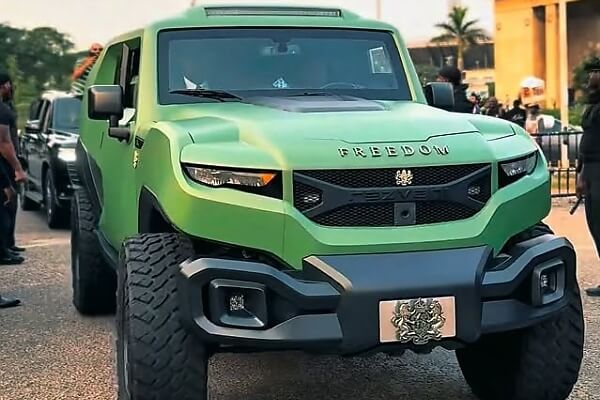
For executive protection, oxygen systems and fire suppression create safe zones during extended threats. Heated and cooled executive seating, premium sound insulation, and entertainment systems maintain comfort without compromising security. Armored compartments secure valuables or documents separately from passengers.
Many accessories integrate seamlessly—siren controls built into armrests, emergency lighting hidden in side mirrors. The goal is operational readiness without sacrificing the vehicle’s everyday usability or drawing unnecessary attention.
Where can I buy parts for my bulletproof car?
Sourcing replacement components for armored vehicles requires specialized channels—standard auto parts stores simply don’t stock ballistic glass or composite armor panels. Armormax maintains direct relationships with clients for ongoing parts supply, ensuring compatibility with their proprietary armoring systems. This direct-to-manufacturer approach eliminates guesswork about whether components meet the original protection specifications.
For Ghana-based security operations, establishing a parts pipeline before deployment prevents operational gaps. CIT bullion vans can’t afford extended downtime waiting for international shipments of run-flat inserts or reinforced door mechanisms. Armormax coordinates with regional dealerships to offer and sell their armored vehicles and security packages.
Document your vehicle’s exact specifications during initial armoring. Protection levels, glass thickness, and door reinforcement details—this information becomes essential when ordering replacements years later. One practical approach is to maintain a relationship with your armoring provider and bulletproof car manufacturer in Africa (such as Armormax Ghana) rather than seeking generic aftermarket alternatives that may compromise your vehicle’s integrated protection system. When security depends on seamless armor integrity, original equipment isn’t optional—it’s fundamental.
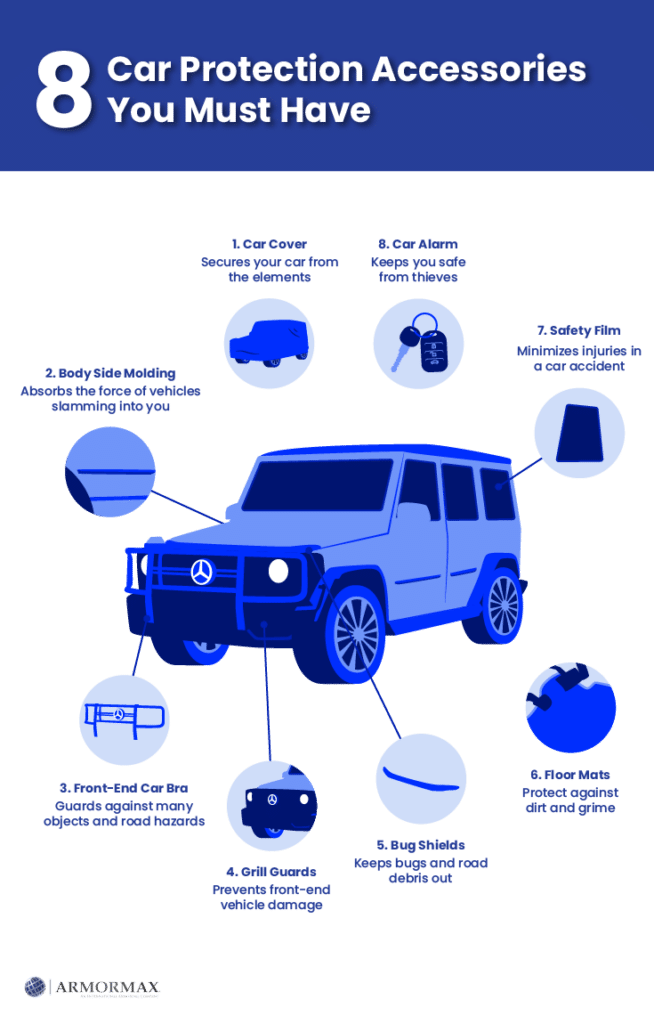
Other accessories that could help your vehicle: