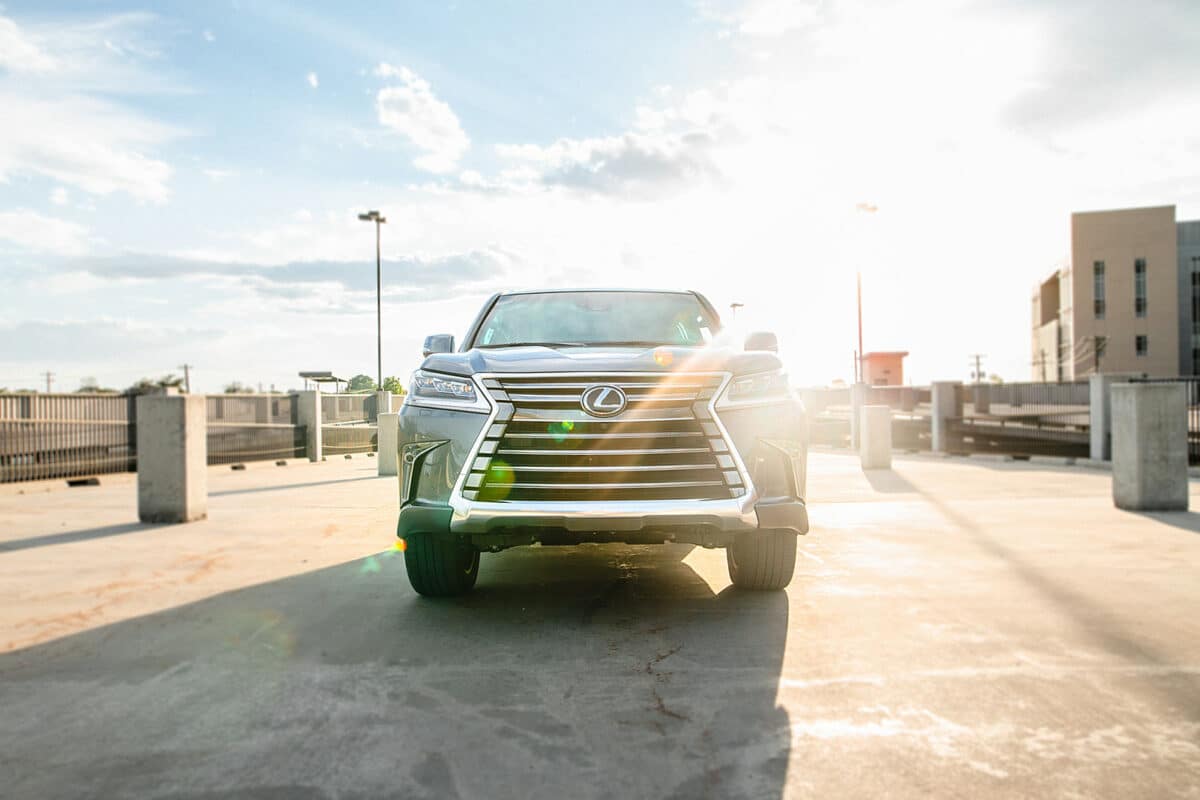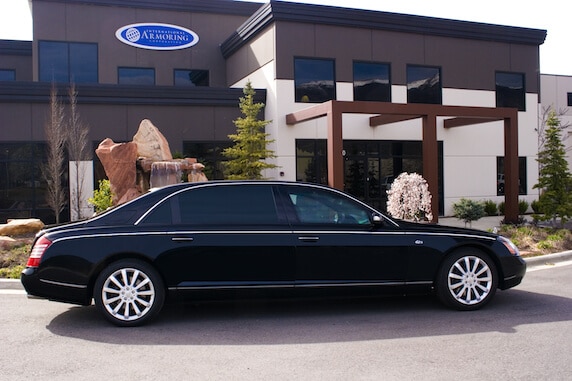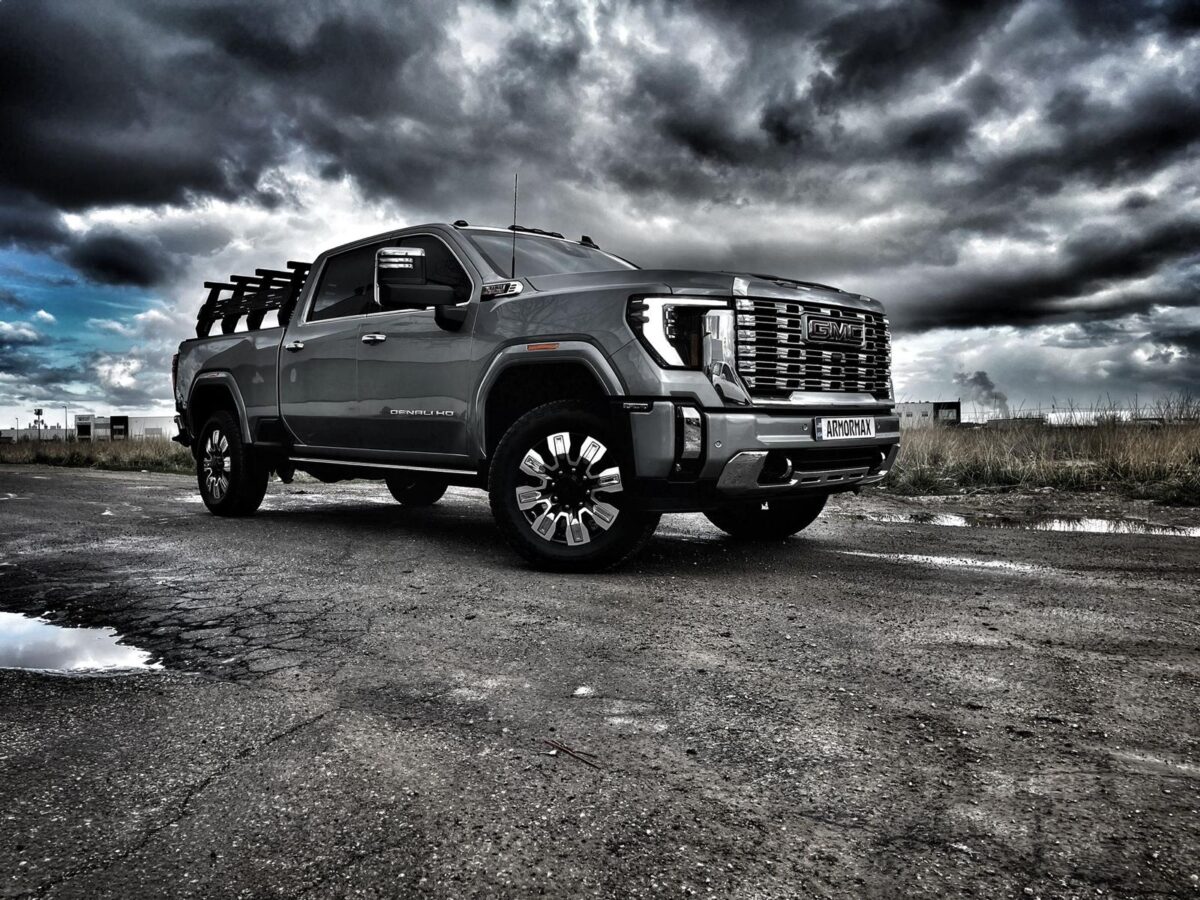
Armored work trucks and security vehicles are designed to operate where ordinary vehicles cannot. On construction sites, in utility operations, or during security deployments, these vehicles are entered and exited repeatedly throughout the day—often by operators wearing muddy boots, carrying tools, or moving equipment in and out of the cabin. Over time, this daily use takes a toll on the interior, making protection a practical concern rather than a cosmetic one.
While exterior durability is often prioritized, interior wear is frequently overlooked until damage becomes difficult or costly to reverse. For vehicles expected to remain reliable under demanding conditions, interior protection plays an important role in long-term performance and operational readiness.
Daily Use Patterns That Accelerate Interior Wear
Unlike personal vehicles, work and security vehicles experience consistent, high-intensity use. Drivers and passengers step in and out dozens of times per shift, tracking in moisture, dirt, gravel, and debris from job sites or outdoor environments. Tools and equipment may rest temporarily on interior surfaces, while wet clothing and footwear introduce additional moisture into the cabin.
These use patterns are not occasional—they are routine. As a result, interior components are exposed to constant friction, contamination, and moisture, all of which accelerate wear well beyond what factory materials are designed to handle in everyday consumer driving.
Why the Cabin Floor Takes the Most Damage
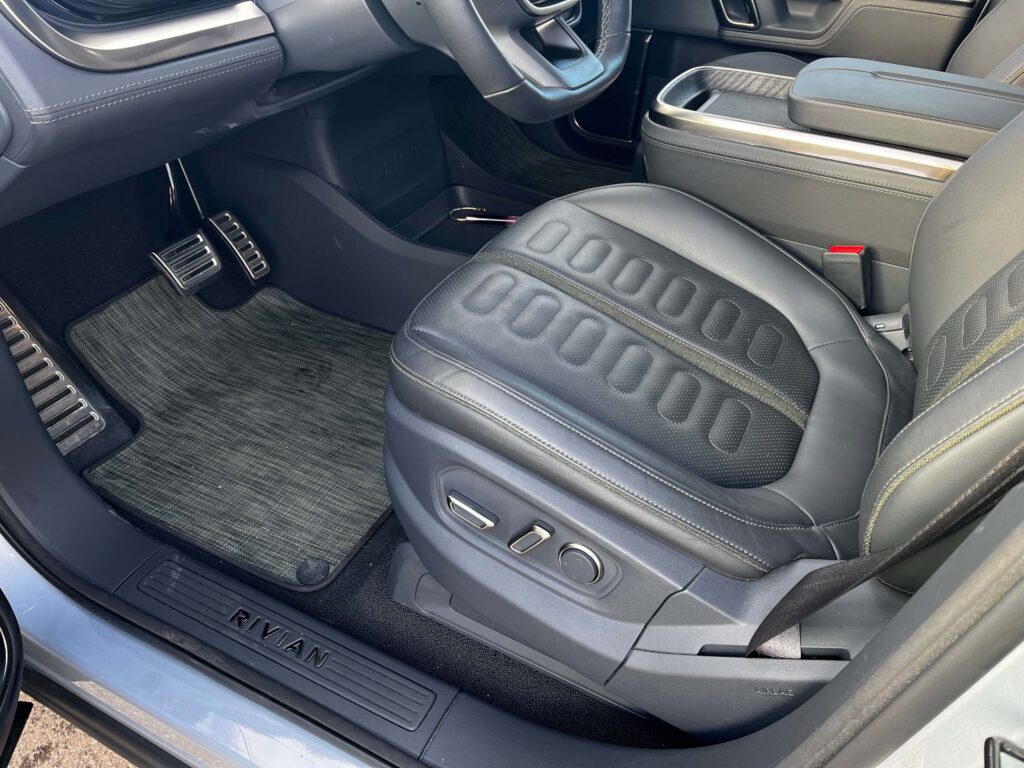
Among all interior surfaces, the cabin floor is typically the first area to show signs of deterioration. It absorbs the direct impact of muddy boots, melting snow, rainwater, and debris, especially in vehicles that operate year-round. Moisture trapped beneath standard carpeting can lead to lingering odors, staining, and long-term material breakdown.
This is particularly relevant for commonly deployed platforms such as the Ford F-150, which remains a staple across construction, utility, and security fleets. In high-use scenarios like these, upgrading 2025 Ford F150 floor mats helps reduce interior wear by creating a barrier that prevents moisture and debris from reaching vulnerable flooring materials.
By addressing floor-level exposure early, operators can significantly slow the progression of interior damage that often spreads to surrounding areas over time.
The Role of All-Weather Floor Protection
Because work and security vehicles operate across changing environments, interior protection must perform reliably in all conditions. Rain, snow, mud, and dust can be introduced into the cabin within minutes, particularly when vehicles transition between outdoor job sites and paved roads.
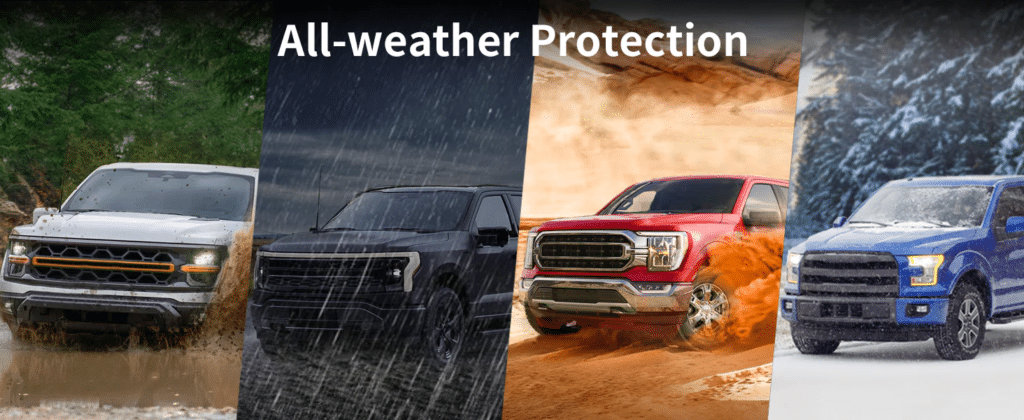
Protective solutions such as All-Weather Floor Mats are designed to manage this exposure by containing liquids and debris within defined channels and raised edges. This containment makes cleaning more efficient while reducing the risk of moisture seeping into underlying materials. In addition to simplifying maintenance, all-weather protection helps maintain a more controlled interior environment, even during prolonged periods of harsh weather or heavy use.
Interior Protection as Part of Vehicle Readiness
Effective interior protection should be viewed as part of overall vehicle readiness rather than a standalone upgrade. Floors, seating surfaces, door sills, and other high-contact areas experience cumulative stress during daily operations. When these areas are protected proactively, vehicles remain easier to maintain and more reliable over extended service cycles.
For security and specialized vehicles, interior condition also supports professional standards and operational efficiency. A clean, well-maintained cabin contributes to hygiene, safety, and driver comfort—factors that become increasingly important during long shifts or high-pressure assignments.
Long-Term Benefits for Fleet and Security Operations
Over time, preventive interior protection delivers measurable benefits. Reduced cleaning and repair requirements lower maintenance costs, while better-preserved interiors help retain vehicle value when units are rotated out of service. In fleet and security operations, consistent interior protection across vehicles also simplifies maintenance protocols and supports uniform standards.
Ultimately, interior protection is an investment in longevity. By addressing daily wear at its source, work trucks and security vehicles remain dependable, service-ready assets capable of meeting the demands placed on them in challenging environments.