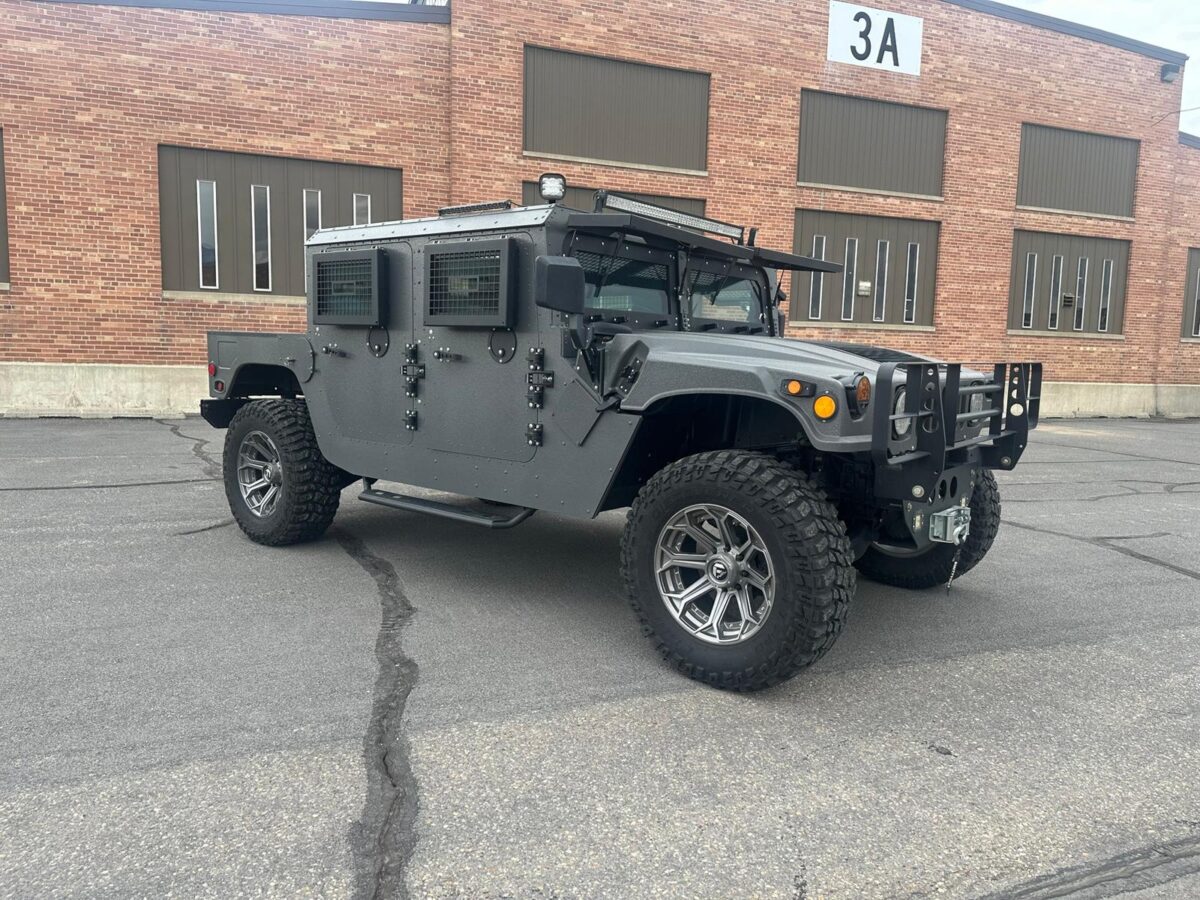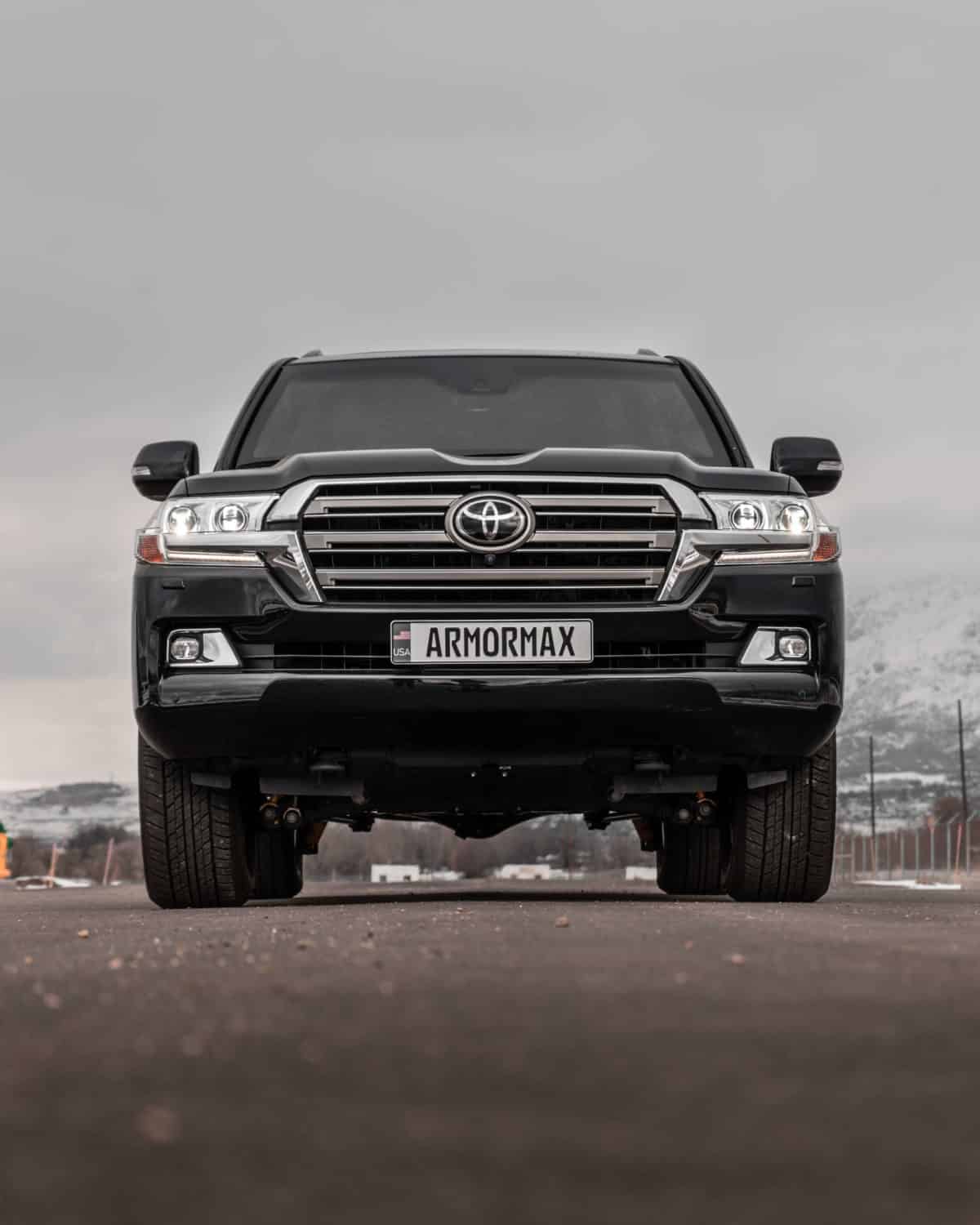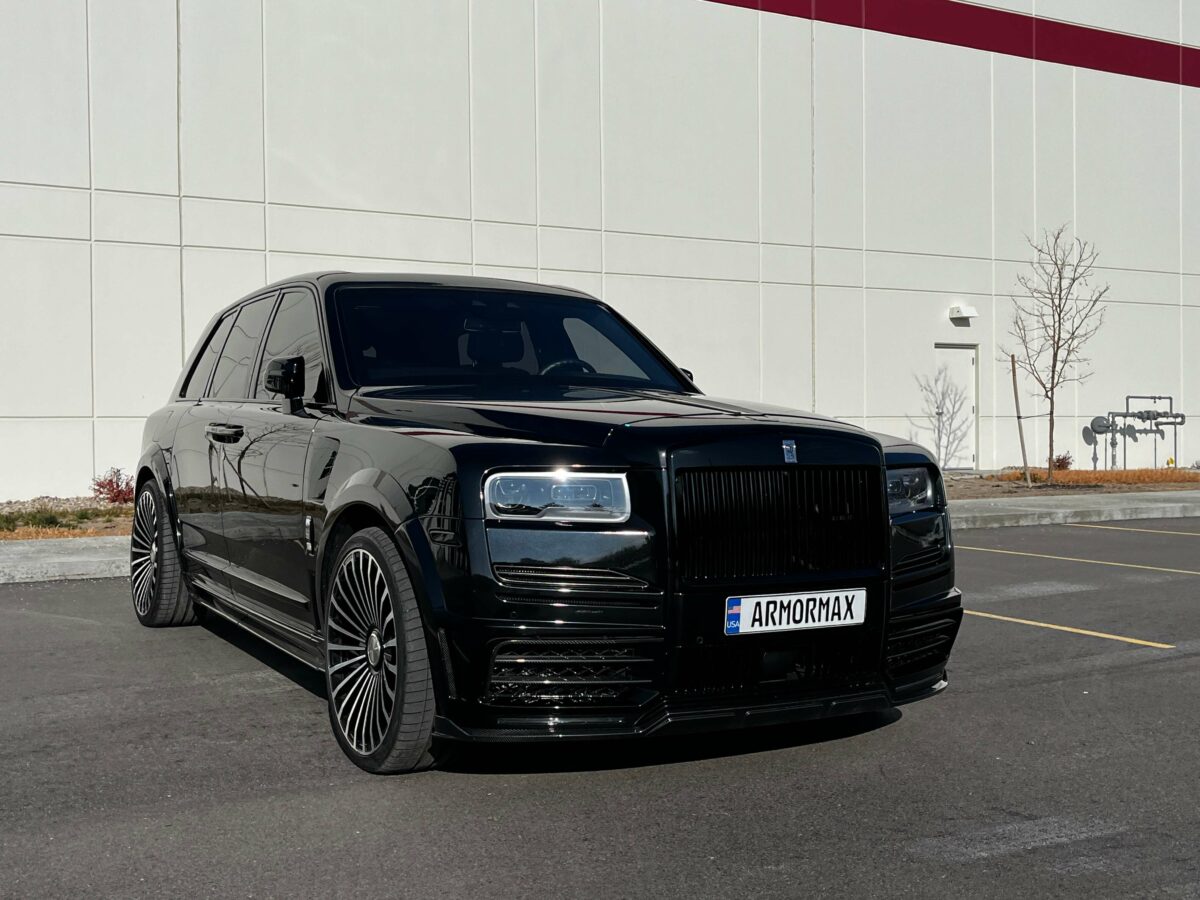
TL;DR: Armored vehicles require specialized suspension systems because armor adds 1,200-8,000 lbs depending on protection levels over a B6, Heavy-duty upgrades can cost $3,000-10,000 but prevent catastrophic component failure, maintain handling safety, and preserve ride quality through reinforced springs, updated shocks with increased damping forces, structural frame reinforcements, and enhanced brake systems calibrated for the additional mass.
Most people assume armored vehicles are simply regular cars with steel plates bolted on. That assumption creates a dangerous engineering oversight that puts lives at risk on the road every day. When armoring companies adds Level IIIA protection to a sedan, the vehicle gains 600-1,000 pounds of armor distributed across doors, pillars, roof, and floor. For SUVs with Level IV protection, adding over 1,200 lbs. equivalent to carrying three additional passengers in every seat, continuously, for the vehicle’s lifetime.
Stock suspension systems are engineered with precise load calculations, spring rates, and damping coefficients optimized for the manufacturer’s specified gross vehicle weight rating. Adding thousands of pounds of ballistic protection fundamentally alters these calculations, creating mechanical stresses the original components were never designed to handle. According to testing, suspension on armored vehicles shows versus factory suspension exhibits 25-40% longer braking distances from 60 mph compared to vehicles with upgraded brake and suspension systems—a 60 mph stop extending from approximately 140 feet to 175-196 feet.
The engineering challenge extends beyond simple weight capacity. Armor distribution creates asymmetric loading patterns, with door armor weighing 300-600 pounds each according to ballistic glass adding 200-800 pounds depending on vehicle size per Armormax ballistic glass specifications, and overhead protection raising the center of gravity 2-4 inches as documented by . These factors combine to create handling dynamics that require comprehensive suspension redesign rather than simple component upgrades.
What Makes Armored Vehicle Suspension Different?
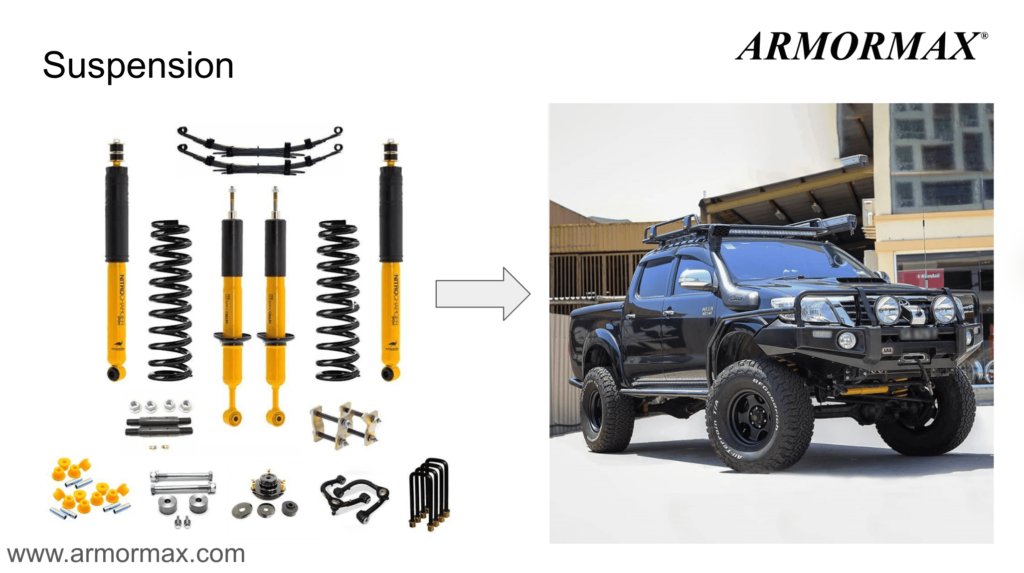
Armored vehicle suspension systems differ from stock configurations through three fundamental modifications: dramatically increased spring rates to prevent suspension compression under static armor load, shock absorbers with 40-60% higher damping forces to control the increased sprung mass, and structural reinforcements to mounting points that distribute suspension loads across strengthened frame sections. These modifications work as an integrated system rather than isolated upgrades.
The weight differential between standard and armored vehicles creates the primary engineering challenge. A typical luxury sedan weighs 3,000-5,000 pounds at curb weight. For SUVs receiving B6-level protection, document weight increases from stock 5,500 pounds to 6,500-8,300 pounds with 1,200+ pounds of armor.
Stock suspension springs are calibrated to maintain 3-4 inches of suspension travel under normal curb weight with a safety factor of approximately 1.3-1.5. When armor weight exceeds this safety margin, the suspension compresses beyond its designed operating range.
The consequences of inadequate spring rates extend beyond aesthetics. Compressed suspension reduces available travel for absorbing road irregularities, causing the suspension to bottom out over bumps that stock vehicles handle normally. Each bottoming incident transmits shock loads directly to the frame, creating cumulative metal fatigue. Armormax’s failure mode analysis documents stress fractures appearing in frame rails, shock towers, and subframe mounting points after 20,000-30,000 miles of operation with inadequate suspension on armored vehicles.
Key Takeaway: Armored vehicles require spring rates 40-120% higher than stock depending on armor weight, shock absorbers with 40-60% increased damping forces, and structural reinforcements to handle suspension loads—modifications that cost $3,000-10,000 but prevent catastrophic failures that appear within 15,000-25,000 miles on inadequate suspension.
How Much Weight Does Armor Add to Vehicles?
Armor weight varies dramatically based on protection level, vehicle size, and coverage area. The National Institute of Justice (NIJ) classification system and European VPAM standards define protection levels that directly correlate with armor thickness and weight. Understanding these weight ranges is essential for calculating suspension requirements.
| Protection Level | Threat Protection | Sedan Weight Addition | SUV Weight Addition | Armor Thickness |
|---|---|---|---|---|
| NIJ Level IIIA | 9mm,.44 Magnum | 400-900 lbs | 600-1,200 lbs | 0.25-0.5 inches |
| NIJ Level III (B6) | 7.62mm rifle | 900-2,500 lbs | 1,200-2,800 lbs | 0.5-0.75 inches |
| NIJ Level IV (B7) | Armor-piercing | 2,500-3,500 lbs | 5,000-8,000 lbs | 0.75-1.5 inches |
Armormax protection level documentation provides these weight ranges based on actual production vehicles, with variations depending on specific vehicle dimensions and armor coverage decisions. Full-perimeter protection, including roof and floor armor, adds significantly more weight than door-and-glass-only configurations.
The distribution of armor weight across vehicle components creates asymmetric loading that affects suspension tuning. Individual door assemblies represent the largest single armor component. shows front doors weighing 300-400 pounds for Level IIIA protection and 500-600 pounds for Level IV, with rear doors typically 20-30% lighter due to smaller surface area and reduced structural reinforcement requirements.
Ballistic glass contributes substantial weight despite appearing less massive than steel armor. Armormax’s ballistic glass specifications document complete glass packages weighing 200-400 pounds for sedans with Level IIIA glass (2-3 inches thick at 8-12 lbs per square foot) and 400-800 pounds for SUVs with Level IV glass (3-4 inches thick at 15-20 lbs per square foot). The weight scales with total glass area, making large SUVs with expansive windshields and rear glass particularly heavy.
Floor armor for blast protection adds concentrated weight to the vehicle’s lower body. show underbody protection meeting VPAM VR7 standards adding 800-1,200 pounds to SUVs and 1,000-1,500 pounds to pickup trucks. This weight sits low in the vehicle, which benefits center of gravity but requires suspension geometry modifications to maintain proper ground clearance and approach angles.
Overhead protection creates the most challenging weight distribution scenario. documents roof armor adding 400-800 pounds positioned 50-60 inches above ground level, raising the effective center of gravity 2-4 inches. This elevated weight has disproportionate effects on rollover threshold and body roll during cornering despite representing a smaller percentage of total armor weight compared to doors and floor.
A real-world example illustrates these cumulative effects. A 2024 Chevrolet Suburban with stock curb weight of 5,586 pounds receives B6-level armoring. The armor package includes: four doors (2,200 lbs total), ballistic glass (650 lbs), roof protection (600 lbs), floor armor (900 lbs), pillar reinforcement (350 lbs), and firewall protection (200 lbs), totaling 4,900 pounds of armor. The armored vehicle’s gross weight reaches 10,486 pounds—an 88% increase over stock that requires complete suspension redesign rather than simple component upgrades.
What Happens Without Upgraded Suspension?
Operating armored vehicles on stock suspension creates five primary failure modes, each with distinct mechanical causes and safety implications. These failures occur predictably based on armor weight and usage patterns, with catastrophic consequences appearing within 15,000-25,000 miles according to maintenance data.
Suspension Component Failure: Stock suspension components fail in a predictable sequence when subjected to armor weight. Shock absorber seals fail first, typically within 10,000-15,000 miles, as increased compression forces exceed seal design limits and cause hydraulic fluid leakage. Spring sag follows at 15,000-20,000 miles as coil springs experience permanent deformation from sustained overload. Control arm bushings deteriorate at 20,000-30,000 miles—2-3 times faster than stock vehicles —due to higher sustained loads and increased deflection cycles.
The failure progression accelerates because each component failure increases stress on remaining components. When shock absorbers lose damping effectiveness, springs experience higher oscillation amplitudes that accelerate fatigue. When springs sag, shock absorbers operate outside their designed stroke range, causing premature seal wear. This cascading failure pattern means the interval between first component failure and complete suspension collapse shortens dramatically compared to normal wear patterns.
Braking Distance Degradation: Increased vehicle mass directly affects braking performance through basic physics: kinetic energy increases with the square of velocity and linearly with mass. A vehicle with 50% more mass requires 50% more braking force to achieve the same deceleration rate. However, the safety impact extends beyond simple force calculations because suspension squat under braking reduces brake effectiveness.
Armormax’s braking testing data shows armored vehicles on factory suspension exhibiting 25-40% longer braking distances from 60 mph compared to vehicles with upgraded brake and suspension systems. A stock luxury sedan achieves 60-0 mph stops in approximately 140 feet. The same vehicle with 2,000 pounds of armor on stock suspension requires 175-196 feet—an additional 35-56 feet of stopping distance that could mean the difference between collision avoidance and impact.
Handling Degradation and Rollover Risk: Body roll during cornering increases dramatically with inadequate suspension. using moose test and slalom protocols demonstrates 40-60% increases in body roll angles for armored vehicles on stock suspension. Stock suspension typically allows 8-12 degrees of body roll in emergency maneuvers. Armored vehicles on stock suspension exhibit 14-19 degrees of roll, approaching the threshold where rollover becomes likely at highway speeds.
The elevated center of gravity from roof armor compounds this risk. shows overhead protection raising the effective center of gravity 2-4 inches. Combined with excessive body roll from inadequate anti-roll bars and spring rates, this creates rollover scenarios at cornering speeds that stock vehicles handle safely.
Frame and Mounting Point Damage: Repeated suspension bottoming causes cumulative structural damage that may not become apparent until catastrophic failure occurs. Armormax’s failure mode documentation shows stress fractures appearing in frame rails, shock towers, and subframe mounting points after 20,000-30,000 miles of operation with inadequate suspension on armored vehicles.
Metal fatigue is a cumulative process where each stress cycle below the material’s ultimate strength still contributes to eventual failure. Stock suspension allows the vehicle to bottom out over bumps that would be absorbed within normal suspension travel. Each bottoming incident transmits shock loads of 3-5 times normal suspension forces directly to frame mounting points.
Tire Wear and Wheel Bearing Failure: Inadequate suspension causes uneven tire loading that accelerates wear. Armormax tire service data documents armored vehicles experiencing 40-60% faster tire wear than stock even with proper suspension upgrades, requiring rotation every 3,000-5,000 miles and replacement every 18,000-25,000 miles. With inadequate suspension, tire wear accelerates further because improper camber angles through suspension travel create uneven contact patches.
Key Takeaway: Stock suspension on armored vehicles fails within 15,000-25,000 miles through predictable progression: shock seals fail first (10,000-15,000 miles), springs sag (15,000-20,000 miles), bushings deteriorate (20,000-30,000 miles), while braking distances increase 25-40% (60 mph stops extending from 140 ft to 175-196 ft) and body roll increases 40-60% (from 8-12° to 14-19°) creating rollover risk at normal cornering speeds.
Which Suspension Components Get Upgraded?
Armored vehicle suspension upgrades require modifications to seven primary component categories, each addressing specific mechanical requirements created by armor weight and distribution. These components function as an integrated system where inadequate upgrades to any single element compromises overall performance and safety.
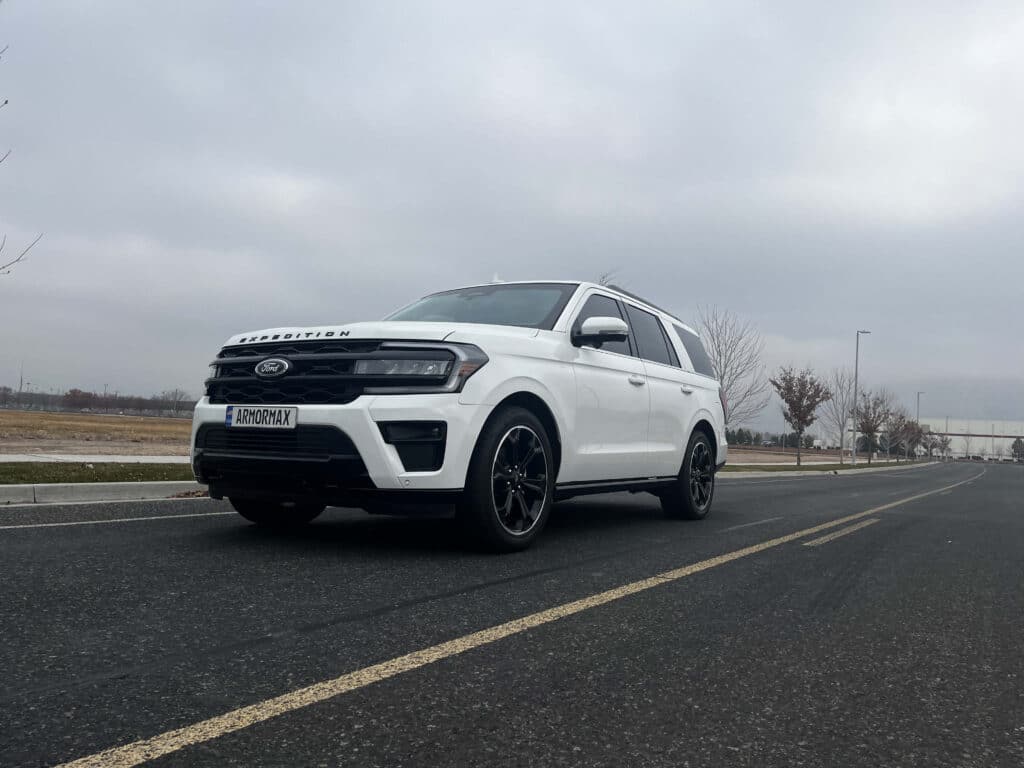
Springs and Load Capacity
Spring selection represents the most critical suspension modification because springs determine ride height, suspension travel, and load distribution.
Stock sedan springs typically use 450 lb/in spring rates—meaning 450 pounds of force compresses the spring one inch. With 2,500 pounds of armor distributed across four corners (approximately 625 pounds per corner), the suspension would compress an additional 1.4 inches beyond normal ride height using stock springs. This compression eliminates suspension travel needed for bump absorption and causes the vehicle to operate outside designed suspension geometry ranges.
Upgraded springs for the same application use 650-850 lb/in rates depending on specific armor distribution. Armormax heavy-duty spring pricing shows reinforced coil spring sets costing $1,200-1,800 for armored sedans and $2,500-3,500 for large SUVs and trucks, including all four corners. Progressive-rate springs that increase stiffness under compression provide 20-30% better ride quality over bumps while maintaining load capacity according to, though they cost 15-25% more than linear-rate springs.
Shock Absorbers and Damping
Shock absorbers control suspension oscillation through hydraulic damping, converting kinetic energy from suspension movement into heat.
The damping force requirement scales with both spring rate and sprung mass. Higher spring rates create faster suspension oscillations that require stronger damping to prevent bouncing. Increased mass creates higher momentum during suspension movement that requires more force to control. The combination means armored vehicles need substantially uprated shocks even when spring rates increase proportionally with weight.
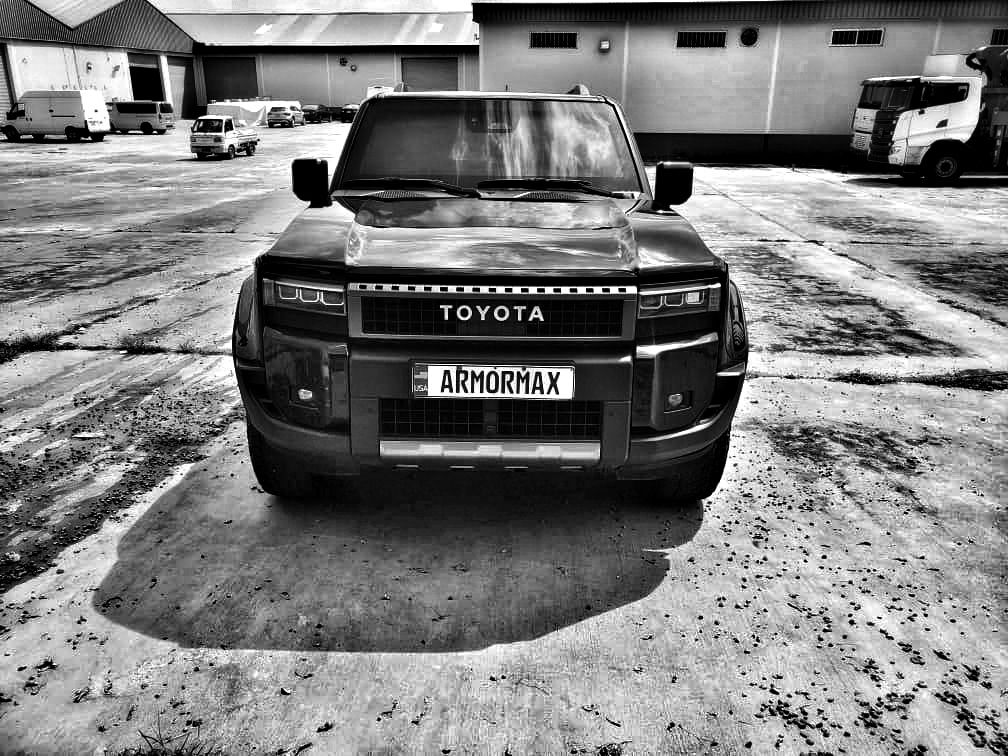
Structural Reinforcement and Additional Components
Frame and mounting point reinforcements distribute suspension loads across strengthened sections rather than concentrating stress at stock mounting points designed for lower forces.
How Much Do Suspension Upgrades Cost?
Suspension upgrade costs vary based on vehicle size, protection level, and component selection.
| Vehicle Type | Protection Level | Springs | Shocks | Brakes | Structural | Labor | Total Cost |
|---|---|---|---|---|---|---|---|
| Sedan | Level IIIA | $1,200-1,800 | $1,500-2,200 | $2,800-3,800 | $2,500-4,000 | $2,000-2,800 | $10,000-14,600 |
| SUV | B6 (Level III) | $2,000-2,800 | $2,200-3,200 | $3,500-4,500 | $3,500-5,000 | $2,800-3,800 | $14,000-19,300 |
| Large SUV/Truck | Level IV | $2,500-3,500 | $2,500-4,000 | $4,000-5,500 | $4,000-6,000 | $3,200-4,500 | $16,200-23,500 |
These costs represent turn-key packages including parts and professional installation.
Component costs scale with vehicle size and protection level. Heavier armor requires proportionally stronger components. A sedan with 1,500 pounds of Level IIIA armor needs moderate spring rate increases and standard heavy-duty shocks. An SUV with 5,000 pounds of Level IV armor requires extreme-duty components with spring rates 80-120% higher than stock and shocks with remote reservoirs for heat management.
indicates suspension and brake system upgrades represent 12-18% of total armoring project costs, with higher percentages for vehicles with extreme protection levels requiring extensive modifications. Total armoring costs range from $50,000-80,000 for Level IIIA protection, $120,000-180,000 for B6 protection, and $200,000-350,000 for B7 protection, making suspension upgrades a significant but proportionally reasonable component of the total investment.
For those considering armored vehicle protection, companies like Armormax provide comprehensive armoring packages that include properly engineered suspension upgrades matched to the specific protection level and vehicle platform, ensuring all components work as integrated systems rather than requiring separate suspension modifications after armor installation.
Do All Armored Vehicles Use the Same Suspension Type?
No. Armored vehicle suspension systems vary significantly based on intended use case, with civilian executive protection vehicles, law enforcement tactical vehicles, and military combat vehicles using fundamentally different suspension designs optimized for their operational requirements. These differences reflect trade-offs between on-road handling, off-road capability, armor capacity, and maintenance complexity.
Civilian Armored Vehicle Suspension: Civilian executive protection vehicles overwhelmingly use heavy-duty coil spring suspension with gas-charged shock absorbers according to Armormax’s civilian vehicle engineering standards. This configuration balances armor load capacity with luxury-vehicle ride quality expectations, using progressive-rate coil springs that remain relatively soft over small bumps but stiffen progressively under full load.
Civilian armored vehicles typically use 8-10 inches of suspension travel optimized for highway use according to . This travel range handles typical road irregularities while maintaining low ride height for easy entry/exit and reduced center of gravity. The suspension geometry prioritizes on-road handling characteristics—minimal body roll, precise steering response, and controlled weight transfer during braking and acceleration.
Law Enforcement Armored Vehicles: Police and SWAT armored vehicles use medium-duty suspension systems designed for 2,500-4,000 pounds of armor with 10-12 inches of travel for urban tactical operations according to . These vehicles balance armor capacity with urban maneuverability requirements, needing to navigate city streets, mount curbs, and handle moderate off-road terrain during tactical operations.
Law enforcement vehicles typically use B6-B7 protection levels focused on rifle threat protection rather than blast protection, keeping armor weight in the 2,500-4,000 pound range. The suspension uses heavy-duty coil springs with monotube shock absorbers that provide better heat dissipation than twin-tube designs during sustained rough terrain use.
Military Armored Vehicle Suspension: Military armored personnel carriers and mine-resistant ambush protected (MRAP) vehicles handle 10,000-30,000 pounds of armor protection using heavy-duty independent suspension with extreme articulation for off-road mobility under combat loads according to . These vehicles prioritize survivability and off-road capability over ride comfort or on-road handling.
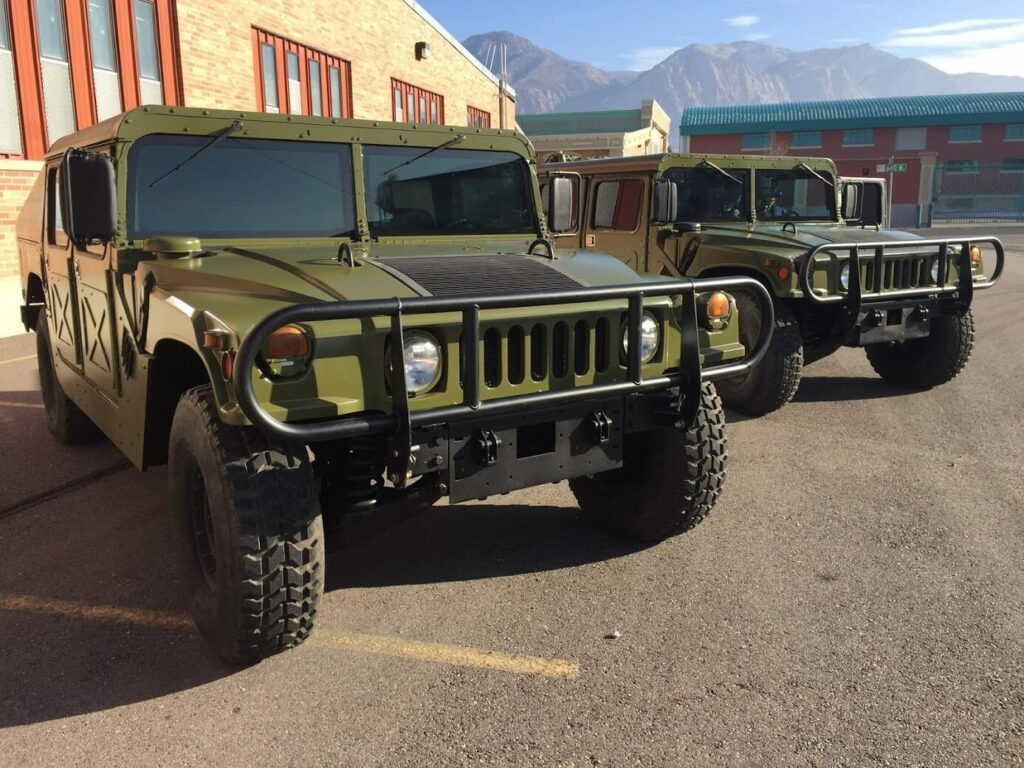
Military vehicles feature 12-18 inches of suspension travel compared to 8-10 inches for civilian vehicles per . This extended travel allows the suspension to articulate over extreme terrain—rocks, ditches, debris fields—while maintaining tire contact. The suspension uses coil-over designs with remote reservoir shocks, spring rates of 1,200-2,000 lb/in, and massive shock absorbers with 46-60mm pistons to handle the extreme forces from off-road operation at combat weight.
Key Takeaway: Civilian armored vehicles use heavy-duty coil springs with 8-10 inches of travel optimized for highway use with 1,500-3,000 lbs armor, law enforcement vehicles use medium-duty systems with 10-12 inches travel for 2,500-4,000 lbs armor and urban operations, while military vehicles use extreme-duty independent suspension with 12-18 inches travel handling 10,000-30,000 lbs armor for off-road combat mobility.
Frequently Asked Questions
Can you add armor without upgrading suspension?
Direct Answer: Yes, of course. A good rule of thumb at Armormax is to achieve the original performance and appearance. If the armor adds over 1,000 lbs then usually a new suspension upgrade is recommended.
Armormax’s braking testing shows 60 mph braking distances extending from 140 feet to 175-196 feet without proper suspension upgrades.
How does armor weight affect vehicle handling?
Direct Answer: Armor weight increases body roll by 40-60%, raises center of gravity 2-4 inches, and reduces rollover threshold at cornering speeds that stock vehicles handle safely without proper suspension upgrades.
What suspension upgrades are required for B6 protection?
Direct Answer: B6 protection adding 2,200-2,800 lbs requires spring rates 40-60% higher than stock (from 500 lb/in to 700-800 lb/in), shock absorbers with 40-60% increased damping forces, upgraded brake systems, and structural reinforcements would be an additional cost.
Do suspension upgrades affect ride quality?
Direct Answer: Properly engineered suspension upgrades maintain or improve ride quality compared to stock suspension under armor weight, while inadequate suspension creates harsh ride and excessive body motion.
Progressive-rate springs provide 20-30% better ride quality over bumps while maintaining load capacity according to. These springs remain relatively soft over small bumps but stiffen progressively under full load, providing the compliance needed for comfort while preventing bottoming under armor weight. Stock suspension compressed by armor weight actually rides worse than properly upgraded suspension because it operates outside designed geometry ranges with reduced available travel.
How long do armored vehicle suspension components last?
Direct Answer: Properly upgraded suspension components last 25,000-35,000 miles before replacement compared to 50,000-75,000 miles for stock vehicles, requiring inspection every 5,000-7,500 miles versus 10,000-15,000 for stock.
Recommend suspension inspection every 5,000-7,500 miles for armored vehicles versus 10,000-15,000 for stock vehicles, with component replacement typically needed at 25,000-35,000 miles versus 50,000-75,000 for stock. The shorter intervals result from higher sustained loads even with proper upgrades. Bushing replacement data shows control arm and suspension bushings requiring replacement every 20,000-30,000 miles versus 60,000-90,000 on stock vehicles.
Are suspension upgrades included in armoring packages?
Direct Answer: Reputable armoring companies include properly engineered suspension upgrades in comprehensive armoring packages, while budget providers may offer armor-only packages requiring separate suspension modifications.
Professional armoring companies like Armormax provide turn-key packages where suspension upgrades are engineered as integrated systems matched to specific protection levels and vehicle platforms. However, some providers offer armor-only packages at lower initial costs, leaving suspension upgrades as customer responsibility. This approach creates safety risks if customers operate armored vehicles on stock suspension or use inadequate aftermarket components not properly engineered for armor weight distribution.
Conclusion
Specialized suspension systems represent non-negotiable engineering requirements for armored vehicles rather than optional upgrades. The physics of adding 1,200-8,000 pounds of ballistic protection creates mechanical stresses that stock suspension components cannot handle safely, leading to predictable failure patterns within 15,000-25,000 miles and dangerous handling characteristics including 25-40% longer braking distances and 40-60% increased body roll.
Proper suspension upgrades cost can be justified depending on vehicle size and protection level—a significant investment that represents an overall perctange of total armoring costs but prevents catastrophic component failures and maintains the handling safety essential for vehicles designed to protect occupants in high-threat environments. The engineering complexity requires integrated system design where springs, shock absorbers, brakes, and structural reinforcements work together rather than functioning as isolated components.
For those evaluating armored vehicle options, working with established providers who engineer suspension systems matched to specific protection levels and vehicle platforms ensures safety and reliability. The suspension system ultimately determines whether an armored vehicle provides genuine protection or creates additional risks through inadequate engineering.