Interested to learn more about armoring? Call us at 1-801-393-1075 or see our videos page.
In many urban areas across the globe, the sight of civilians using armored vehicles for daily activities like commuting, school runs, and business meetings is becoming increasingly familiar. This shift, once associated primarily with high-profile figures, is now driven by a surge in violent crimes such as kidnappings and carjackings, making routine tasks perilous. The data is alarming: many regions are witnessing tens of thousands of homicides each year, with a significant portion linked to organized crime.
This growing demand isn’t about prestige—it’s about safety [in 2026, see events in Mexico, Philippines, and Nigeria. Professionals from various fields, including business, healthcare, and law, are now prioritizing ballistic protection as violence extends beyond traditional activities into areas like kidnapping, extortion, and opportunistic carjackings. When criminal groups dominate territories and target individuals based on perceived wealth, an armored vehicle can be critical for safe passage.
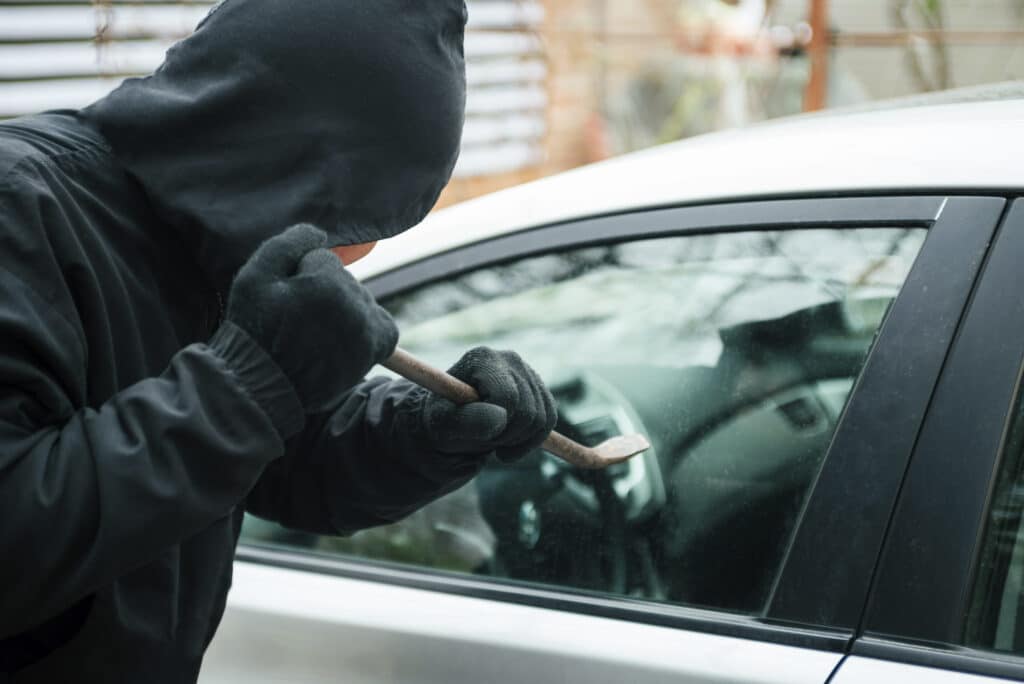
The security crisis has fundamentally changed how families evaluate risk. Parents plan routes to avoid dangerous territories, and executives adjust their schedules to avoid predictable patterns. This isn’t mere paranoia—it’s a necessary adaptation to environments where organized crime operates with near-impunity, making armored protection a strategic necessity rather than a luxury.
The Role of Organized Crime in Modern Violence
Organized crime groups function as sophisticated enterprises extending beyond drug trafficking to control territories and establish their own governance systems. They generate revenue through illegal activities like kidnapping, extortion, and vehicle theft. The U.S. State Department’s travel advisory highlights areas where these groups directly threaten civilian safety, warning of violent crime even in seemingly secure regions.
The fragmentation of power among these groups has intensified territorial disputes and increased violence against civilians. As research from the Atlantic Council shows, smaller factions engaging in power struggles have increased risks for high-value individuals, who are frequently targeted for kidnapping and carjackings.
This situation has led to a significant shift in the demand for armored vehicles. Professionals face quantifiable risks when traveling predictable routes, as organized crime groups use intelligence operations to identify potential targets based on visible wealth, making luxury vehicles without protection particularly vulnerable. Armored vehicles have thus become essential for those at risk of kidnapping or theft.
Case Study: A Hypothetical Scenario of Carjacking
Consider this scenario: An executive in a major city leaves her office at dusk, driving through an upscale neighborhood. At a traffic light, her vehicle is suddenly surrounded by two cars—one blocking the front, the other the back. Armed individuals quickly approach, demanding she exit the vehicle.
This scenario illustrates the methodical approach behind carjackings linked to organized crime in major cities. Criminals often target individuals during predictable moments such as commutes or school runs, using sophisticated surveillance to identify patterns before striking.
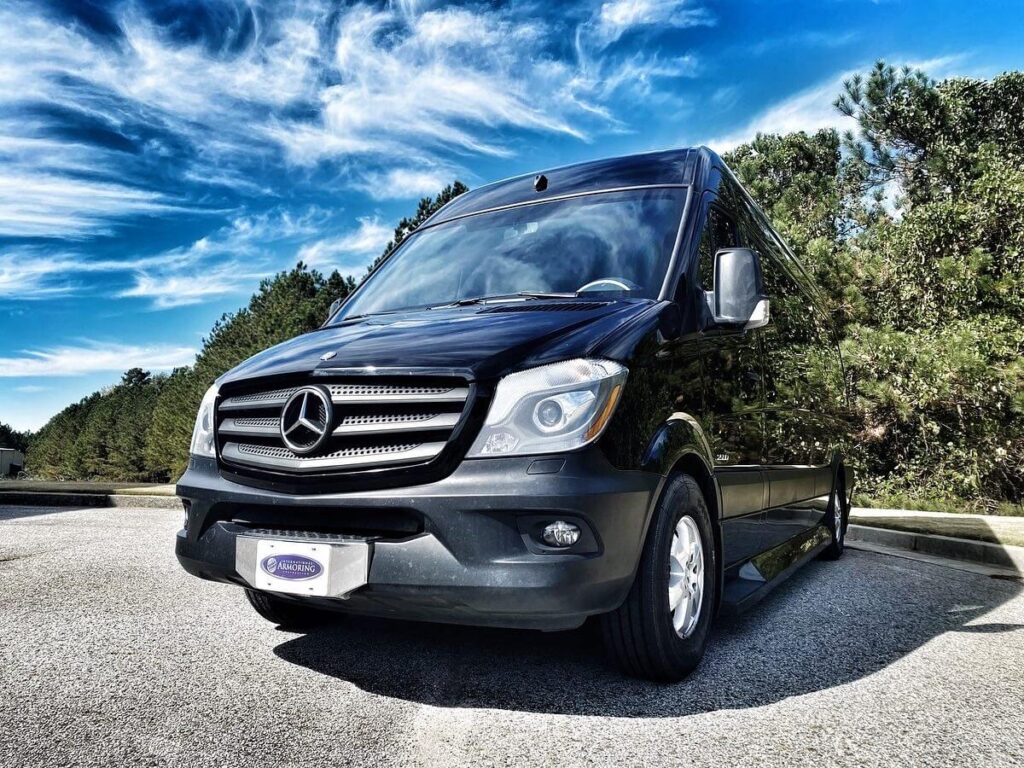
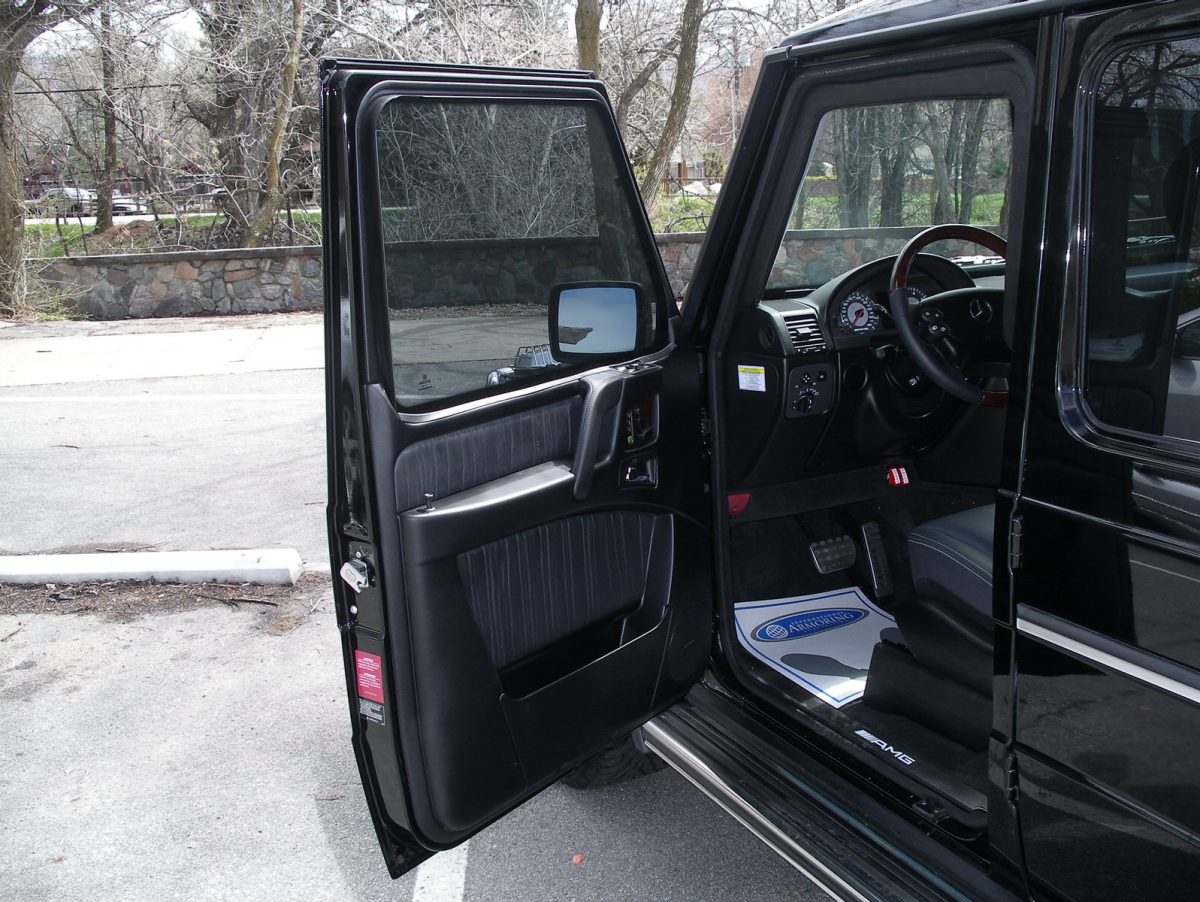
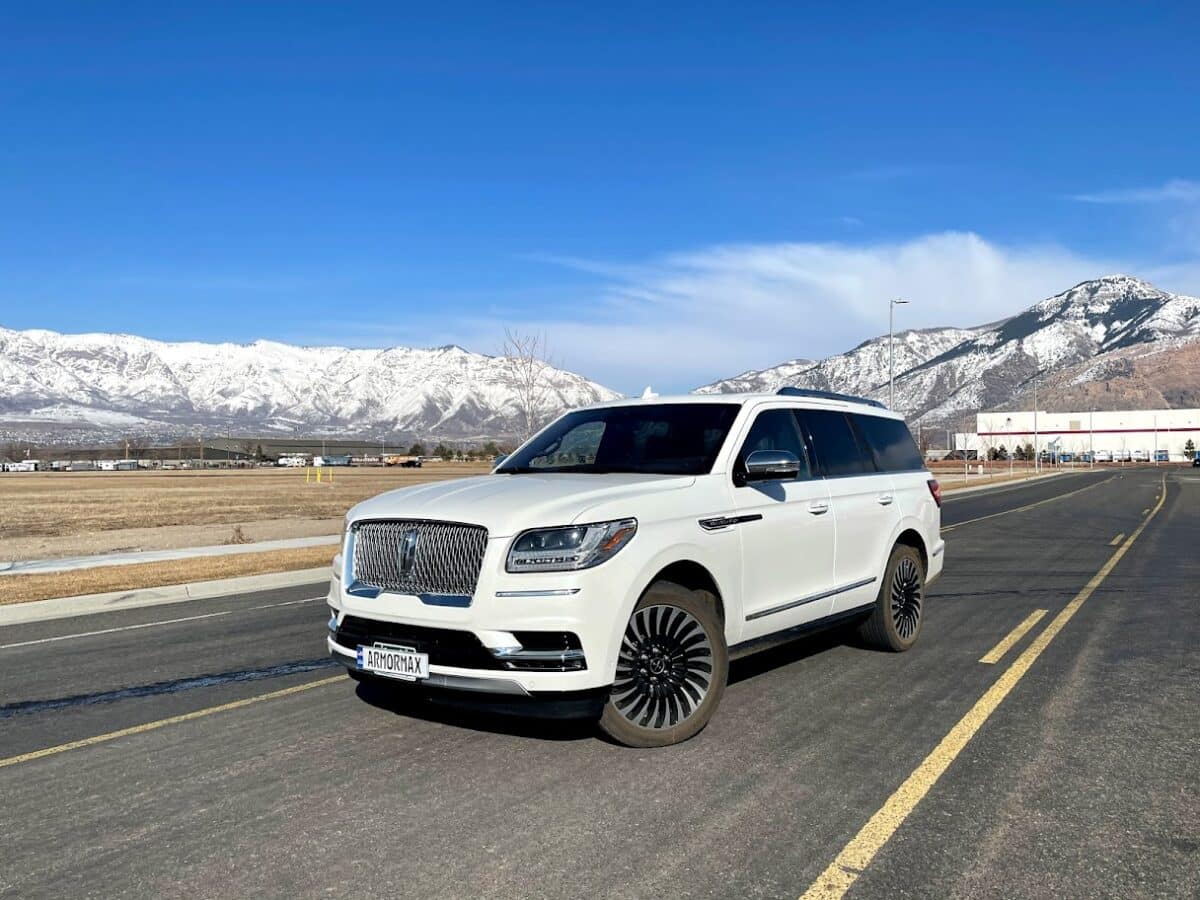
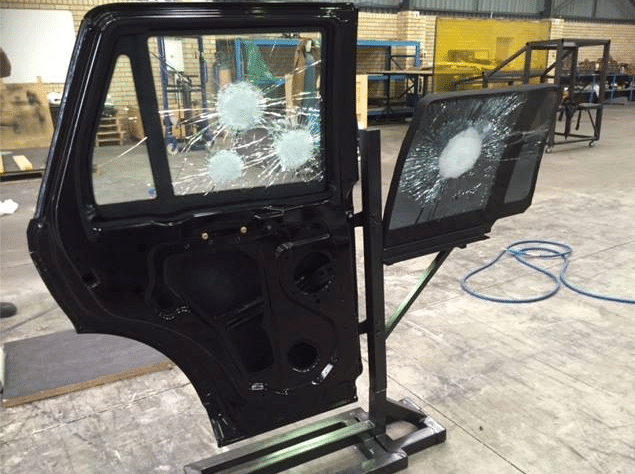
The example shows why the demand for armored vehicles amid organized crime has soared. In such situations, an armored car offers vital advantages: reinforced bodywork to prevent forced entry, run-flat tires to enable escape, and bullet-resistant glass to protect occupants during precious seconds needed to evade capture. The 30-60 seconds an armored vehicle provides can be the difference between escape and abduction.

However, even with armored protection, challenges remain when facing well-equipped and organized criminal groups.
Comparing Protection Methods: Armored Cars vs. Other Security Measures
In high-risk regions, individuals and families have several protective options beyond armored vehicles. Evaluating these methods is crucial when kidnappings and carjackings pose ongoing threats.
Home security systems offer protection at fixed locations but leave individuals vulnerable during transit. Armed security details and guards can cost over $10,000 USD monthly per company (much more depending on the group and situation, it all depends heavily on the personnel’s training and response protocols.
Route variation and GPS tracking provide additional layers of security but cannot physically prevent attacks. These measures are most effective when combined with other protections. Private security convoys act as deterrents but may also attract attention by marking occupants as high-value targets.
Armored vehicles provide unique benefits: constant protection regardless of location, independence from human reaction time, and passive deterrence without overtly displaying wealth. The investment is particularly appealing when considering that organized crime often targets predictable routes and transitions between secured locations. However, armored cars must be part of a comprehensive security strategy that includes threat assessments, routine variations, and maintaining a low profile. The focus should be on combining methods tailored to individual risk profiles.
Cost Analysis: Armoring Your Vehicle
Armoring a vehicle is a significant financial commitment. Costs range from $30,000 to $150,000, depending on the protection level, vehicle type, and customization needs.
Basic Protection (Level III) costs $30,000-$50,000, adequate against handguns for many urban professionals. Intermediate Protection (Level IV) costs $60,000-$90,000, defending against high-powered rifles. Maximum Protection (Level V and above) exceeds $100,000, offering comprehensive defense against armor-piercing rounds and explosives, often chosen by those in high-threat areas.
Beyond armoring costs, owners face increased maintenance due to reinforced suspension systems handling additional weight, leading to 15-20% higher expenses. Fuel efficiency drops by 10-15%, adding $150-$300 monthly to costs. Insurance premiums may rise 25-40%, though some insurers offer discounts for reduced theft risk.
Resale value is a hidden cost factor—armored vehicles typically retain 60-70% of their armoring value when sold in specialized markets, making it a partially recoverable security investment.
Safety Considerations and Travel Advisories
Understanding the security environment involves monitoring official guidance and recognizing regional risk variations. The U.S. State Department’s travel advisory uses a tiered system, with some regions marked “Do Not Travel” due to crime and kidnapping threats, while others are safer with standard precautions.
Key factors affecting travel safety include:
- Route planning: High-risk corridors can be dangerous during territorial disputes
- Time of day: Traveling at night increases exposure to checkpoints and carjackings
- Vehicle visibility: Luxury vehicles can attract unwanted attention from criminals
- Communication protocols: Maintaining contact schedules allows security teams to respond quickly
Experienced travelers often combine multiple protective measures rather than relying solely on armored vehicles. However, armored protection becomes crucial when travel through high-risk zones is unavoidable. Organizations must balance business needs with evolving threats, integrating real-time intelligence with physical security to ensure personnel safety while fulfilling essential functions.
Limitations and Alternatives to Armored Cars
While armored vehicles offer significant protection, they are not a complete solution to security challenges. Armored vehicles remain vulnerable in certain situations, such as prolonged standoffs or coordinated attacks. The added weight reduces fuel efficiency by 30-40% and increases maintenance demands, which can leave vehicles out of service. These technical limitations highlight that armoring addresses symptoms rather than the root causes of security issues.
The complexities of transnational organized crime necessitate layered security strategies. Varying routes, maintaining unpredictability, and keeping a low profile often prove more effective than conspicuous armored vehicles that may draw attention. Professional security training emphasizes situational awareness and threat recognition—skills that prevent dangerous encounters before they escalate. GPS tracking systems and dedicated security escorts add protective layers without the permanence of vehicle modifications.
For many, risk mitigation through careful timing and route selection offers practical alternatives. Traveling during daylight, avoiding isolated areas, and staying informed about regional security conditions through official advisories can significantly reduce exposure. Some businesses opt for secure transportation services, outsourcing the financial and operational burdens to specialized providers familiar with local threats.
Key Takeaways
The increased demand for armored vehicles reflects a global security landscape where organized crime and violence pose persistent threats. Executives, entrepreneurs, and public figures face heightened risks of carjackings, kidnappings, and other crimes, especially in areas with territorial conflicts between criminal organizations.
Armored vehicles are effective when integrated into comprehensive security strategies. This includes varying travel routes, maintaining low profiles, and understanding regional risk patterns. According to conflict monitoring data, violence is often concentrated in specific areas, making geographic awareness crucial for safety.
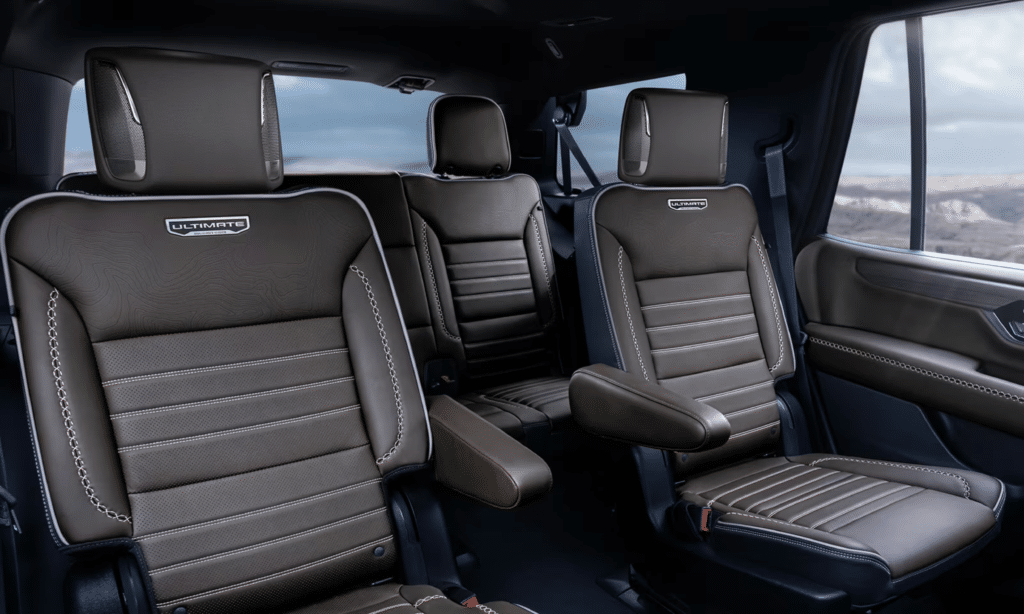
However, armored cars address only symptoms, providing critical time during emergencies to escape or reach safety. For those frequently traveling in high-risk areas, this protection is part of a broader risk mitigation strategy that includes security assessments, intelligence gathering, and situational awareness.
How much does it cost to bulletproof a car?
Bulletproofing a vehicle is a substantial investment, with costs varying based on the protection level and vehicle type. Entry-level armoring (B4 level) starts around $45,000 to $80,000 for standard sedans. Mid-tier protection (B6 level) ranges from $75,000 to $120,000, while top-tier armoring with B7 protection can exceed $150,000 for luxury vehicles.
The pricing reflects the security landscape, where heightened kidnapping and crime activities drive a premium on quick services. Armoring facilities offer expedited services with additional costs for clients needing immediate protection.
Additional features impact pricing significantly. Run-flat tire systems add $5,000-$8,000, while communication systems, GPS tracking, and fire suppression equipment can add $15,000-$25,000. Vehicle selection also affects cost; armoring a compact sedan is cheaper than a full-size SUV due to material needs.
A fully-equipped armored vehicle can cost 40-60% of the base vehicle’s purchase price, a necessary overhead for high-risk individuals and businesses.
Is it safe to travel given the violence?
Safety varies greatly by location, requiring nuanced approaches rather than broad assumptions. The U.S. State Department’s travel advisory categorizes areas by risk, with some places deemed unsafe while others compare to popular European destinations.
Violence often concentrates in specific corridors and border regions. Major tourist spots generally maintain strong security, though isolated incidents can occur. Business hubs have developed sophisticated private security systems.

Do tourists face targeting?
Tourist targeting follows distinct patterns that differ from local victimization. According to the U.S. Department of State travel advisory, violent crimes like homicide, kidnapping, and robbery affect both locals and visitors, though tourists are rarely primary targets of organized crime. The violence stems from territorial disputes rather than campaigns against international visitors.