Protection levels, pricing breakdowns, and what to check before buying a bulletproof car in 2026.
TL;DR: Bulletproof vehicles typically range from $120,000 for a pre-owned B4 handgun-rated SUV to $600,000+ for a new B7 armor-piercing–rated build. In 2025, the global civilian armored vehicle market reached $51.6 billion, with approximately 80% of U.S. demand driven by executive protection needs.
Protection levels (B4–B7) determine ballistic resistance, added vehicle weight (roughly 500–1,800 pounds), performance impact, and final cost. Pre-owned armored vehicles can deliver 30–50% savings, but third-party ballistic certification and armor integrity verification are essential. Standard production lead times can range from 4 to 16+ weeks, depending on protection level and customization.
What Are Bulletproof Cars and Who Needs Them?
Bulletproof cars are civilian vehicles retrofitted with ballistic-resistant materials—steel armor panels, composite materials, and multi-layer bullet-resistant glass—designed to protect occupants from firearms and explosive threats. These aren’t military tanks. They’re modified luxury SUVs, sedans, and trucks that maintain factory appearance while adding certified protection layers.
Three primary buyer categories drive the civilian armored vehicle market. High-net-worth individuals and executives in high-risk regions need discreet protection during daily commutes. According to Latimes, U.S. clients now constitute nearly 80% of Armormax’s business—an eightfold increase since 1994.
Government officials and diplomatic personnel require certified armor meeting international security standards for operations in conflict zones or politically unstable regions. Diplomatic security services specify minimum protection levels based on regional threat intelligence, typically requiring B6 or B7 certification for high-risk postings.
Humanitarian workers, NGO fleet managers, and security professionals deployed to active conflict zones require armored transport for personnel safety. Private security firms and relief organizations purchase armored vehicles for staff protection in regions where conventional security measures prove insufficient.
Protection levels follow standardized ratings. B4 armor stops handgun threats up to .44 Magnum. B6 protection defeats rifle rounds, including 7.62x51mm NATO. B7 armor—the highest civilian rating—resists armor-piercing .30-06 rounds.
The Research and markets team, with a projected CAGR of 6.06% reaching $13.46 billion by 2032. Brazil leads globally in per capita armored vehicles, but U.S. demand has surged as security concerns expand beyond government fleets into civilian executive protection.
How Much Do Bulletproof Cars Cost in 2026?
New armored vehicles can start at $150,000 with B4 handgun protection (including the vehicle) and reach $600,000+ for B7 armor-piercing resistance (including the vehicle).
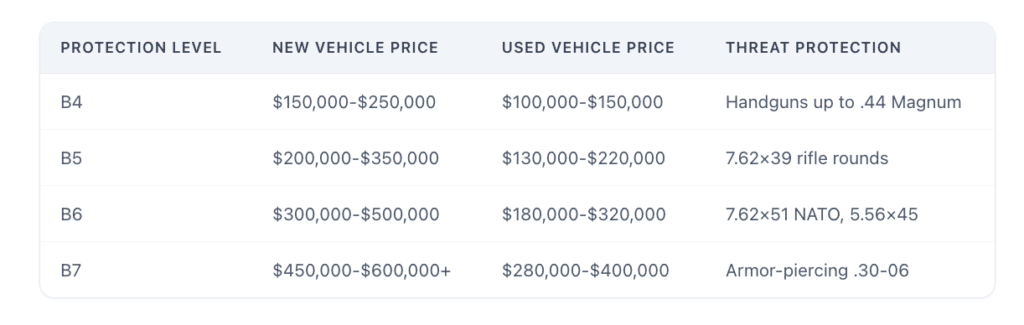
Cost breakdown follows a three-part structure: base vehicle, armor package, and installation. A 2026 armored Chevrolet Suburban B6 breaks down as follows: $65,000 base vehicle + $180,000 armor package (materials, ballistic glass, run-flat tires) + $55,000 installation labor = $300,000 total. The armor package represents 60% of added cost, installation 25%, and testing/certification 15%.
Real-world pricing examples that demonstrate market ranges:
2024 Armored Range Rover B4 (18,000 miles): $185,000. Originally $285,000 new, this certified pre-owned vehicle serves executives requiring discrete daily protection with handgun resistance. Includes run-flat tires and Alpine re-certification. Depreciation: 35% over two years.
2026 Armored Cadillac Escalade B6 (new): $425,000. Designed for corporate executives operating in high-risk regions, includes rifle protection, blast-resistant floor, emergency exit systems, and encrypted communication package. Lead time: 8-10 weeks.
2023 Armored Mercedes S-Class B5 (12,000 miles): $220,000. Executive sedan with discrete armoring suitable for diplomatic personnel, originally $340,000. Includes maintenance records and ballistic certification documents.
Protection Levels Explained: B4 vs B6 vs B7
Protection levels follow two primary standards: CEN 1063 (European) and NIJ (U.S. National Institute of Justice). These ratings define what ammunition types armor can defeat and at what velocities.
B4 Protection (NIJ IIIA equivalent) stops handgun threats. B4 armoring stops 9mm, .38 Special, .357 Magnum, and .44 Magnum. This level uses 1.5-inch ballistic glass and 6-8mm steel armor panels. Weight addition: 500-1,200 lbs.
For most civilian and executive clients, B4 protection provides meaningful security without sacrificing drivability or discretion. B4-armored vehicles retain near-stock performance characteristics, with 0-60 mph times increasing only 1-2 seconds compared to unarmored models. The armor remains invisible from exterior inspection, maintaining the vehicle’s original appearance—critical for executives requiring protection without drawing attention.
B5 Protection bridges handgun and rifle threats. High-velocity intermediate rifle rounds—the AK-47 platform ammunition. Glass thickness increases to 2 inches, armor panels to 10-12mm. Weight addition: 800 to 1,800 lbs. This level suits executives traveling in regions with organized crime or militia activity.
B6 Protection (NIJ III equivalent) defeats full-power rifle rounds. This represents military rifle threats from M16, AR-15, and similar platforms. Glass thickness: 2-2.5 inches. Armor panels: 12-15mm composite materials. Weight addition: 1,200-2,500 lbs. Suspension and brake upgrades become mandatory at this level. Manufacturers like Armormax specialize in maintaining vehicle performance while adding ballistic protection, using advanced composite materials that minimize weight penalties—critical for operational vehicles in conflict zones.
B7 Protection (NIJ IV equivalent) resists armor-piercing ammunition. B7 defeats .30-06 AP rounds with hardened steel cores traveling at 870 m/s. Glass thickness exceeds 3 inches. Armor panels use advanced composite materials combining steel, ceramic, and aramid fibers. Weight addition: 2,200-3,500 lbs. The Latimes—more than twice a standard Range Rover’s weight.
Certification requirements verify protection claims. Reputable manufacturers provide ballistic test certificates from independent laboratories showing live-fire testing results. These documents must match the vehicle VIN and specify protection level, test date, and ammunition types defeated. Alpineco offers the world’s most bulletproof cars, proven by live-fire tests where their Director of Engineering was inside the MASTIFF®, which withstood a .50 BMG round at over 2,900 ft/s without penetration.
Which level for different risk profiles? For most civilian and executive clients, B4 or B5 protection provides meaningful security without sacrificing drivability. B6 suits diplomatic personnel in conflict zones or executives in regions with organized military threats. B7 protection is reserved for heads of state, diplomatic convoys in active war zones, or individuals facing state-level threats.
Weight implications affect vehicle performance significantly. A standard Chevrolet Suburban weighs 5,800 lbs. B4 armor brings it to 6,500 lbs. B6 armor: 7,300 lbs. B7 armor: 8,400 lbs. This weight requires suspension upgrades, brake reinforcement, and often engine modifications to maintain acceptable performance.
What to Inspect When Buying Used Armored Vehicles
Used armored vehicles require specialized inspection beyond standard pre-purchase checks. Armor integrity, certification validity, and maintenance history determine whether a used vehicle provides reliable protection or represents a liability.
12-Point Inspection Checklist:
- Ballistic Certification Documents: Verify test certificates match vehicle VIN, show independent lab testing, specify protection level (B4-B7), list ammunition types defeated, and include test date within last 5-7 years. Missing or expired certifications indicate potential issues.
- Armor Panel Integrity: Inspect door panel edges for delamination or separation between armor layers. Check for rust at panel seams—indicates moisture intrusion compromising ballistic materials. Verify no unauthorized penetrations (aftermarket stereos, alarm sensors) creating vulnerability gaps.
- Ballistic Glass Condition: Check for hazing, cracks, or delamination in multi-layer glass. Even minor cracks compromise ballistic integrity. Verify glass thickness matches certification documents using calipers at door edges.
- Run-Flat Tire System: Confirm run-flat inserts or reinforced sidewalls present on all four tires. Check tire monitoring system functionality. Verify tire replacement dates—run-flats require replacement every 40,000-50,000 miles regardless of tread depth.
- Suspension Components: Inspect heavy-duty springs, shocks, and sway bars for wear. Armored vehicles require suspension replacement at 50,000-75,000 miles versus 100,000+ on standard vehicles. Sagging indicates deferred maintenance.
- Brake System: Verify upgraded rotors (larger diameter than stock) and performance brake pads. Check brake pad thickness—armored vehicles require brake service every 20,000-30,000 miles due to increased thermal stress from weight.
- Structural Reinforcement: Examine door hinges and latches for heavy-duty replacements. Check door alignment—misalignment indicates hinge wear from armor weight. Verify frame reinforcement at mounting points.
- Emergency Systems: Test emergency door releases, fire suppression system (if equipped), external loudspeaker, and emergency trunk release. Verify explosive door charges (B7 vehicles) have current certification and haven’t been deployed.
- Communication Equipment: Test encrypted satellite phones, VHF/UHF radios, and intercom systems if equipped. Verify subscription status on satellite services.
- Maintenance Records: Document suspension component replacement, brake service intervals, tire replacements, and armor re-certification dates. Gaps in maintenance history indicate potential mechanical issues from armor weight.
- Collision History: Run VIN through Carfax/AutoCheck. Any collision requires armor re-certification even if damage appears cosmetic. Impact can compromise ballistic integrity without visible damage.
- Manufacturer Verification: Contact the original armoring company to verify the vehicle in their database, confirm the protection level, and check for any recalls or service bulletins.
The armor integrity verification process requires professional inspection. The steel and glass used have been independently certified by ballistics laboratories—verification is critical when buying used.
Documentation required for purchase includes: original ballistic test certificates, armor installation date and company, maintenance logs showing suspension/brake service, tire replacement records, and any re-certification documents. Missing documentation should trigger price negotiation or purchase reconsideration.
Red flags indicating problems: unauthorized modifications (aftermarket electronics penetrating armor), missing ballistic certifications, deferred maintenance (worn suspension/brakes), collision history without re-certification, rust at armor panel seams, and prices significantly below market (indicating hidden issues).
Depreciation rates follow predictable patterns. First year: 20% depreciation from new price. Years 2-5: 10-15% annually. After 5 years: 5-8% annually. High-mileage vehicles (100,000+ miles) depreciate faster due to suspension and brake component wear. Certification expiration (7+ years old) requires $5,000-$15,000 re-certification, affecting value.
Popular Bulletproof Models and Configurations
Five SUV platforms dominate civilian armored vehicle production, chosen for size, luxury positioning, and weight capacity to handle armor additions.

Chevrolet Suburban leads in market share at approximately 25% of armored vehicles produced. The Suburban’s 5,800 lb curb weight, body-on-frame construction, and 8,100 lb towing capacity provide ideal foundation for B4-B6 armor. Popular configuration: B6 protection with run-flat tires, blast-resistant floor, and emergency exit systems. Estimted price: $285,000-$350,000. Suited for corporate security fleets and government agencies requiring reliable, serviceable platforms. Performance impact: 0-60 mph increases from 7.2 seconds (stock) to 10.5 seconds (B6 armored). Fuel economy drops from 16/20 mpg to 11/14 mpg.
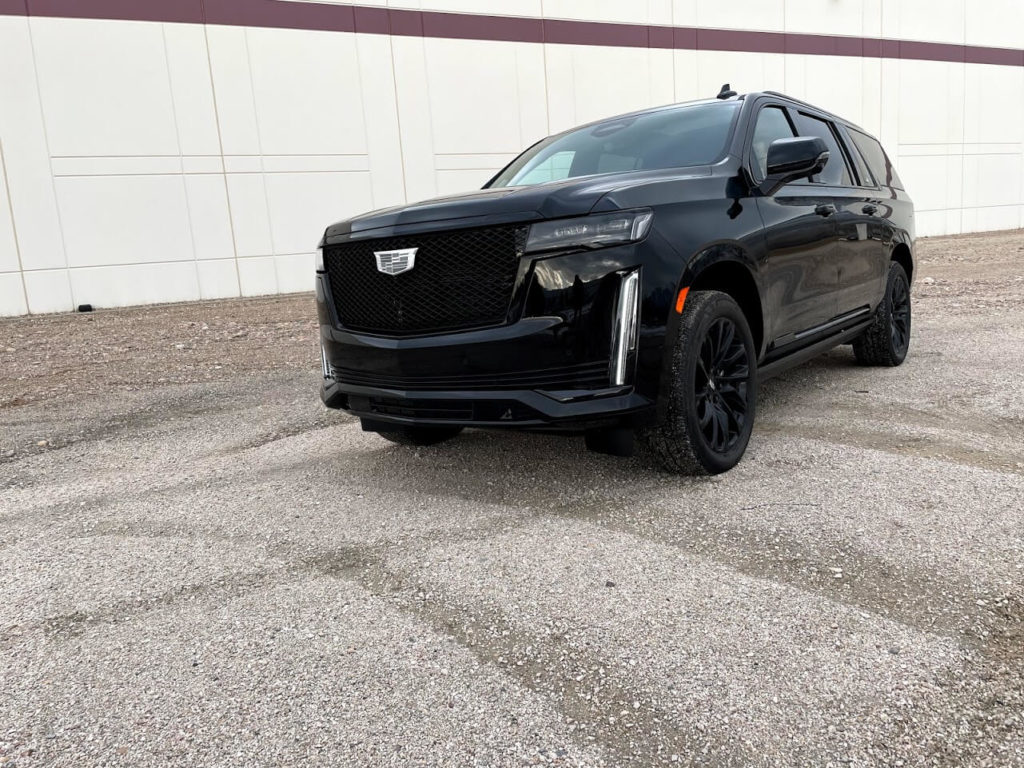
Cadillac Escalade represents 18% of market, offering a luxury interior with the Suburban’s mechanical foundation. Armored Escalade configurations include premium leather, upgraded audio systems, and executive seating packages. Popular configuration: B5 protection with discrete armoring, communication systems, and luxury appointments. Price: $320,000-$425,000. Preferred by high-net-worth individuals and executives requiring both protection and prestige. The Escalade’s 6,000 lb curb weight becomes 7,400+ lbs with B6 armor.
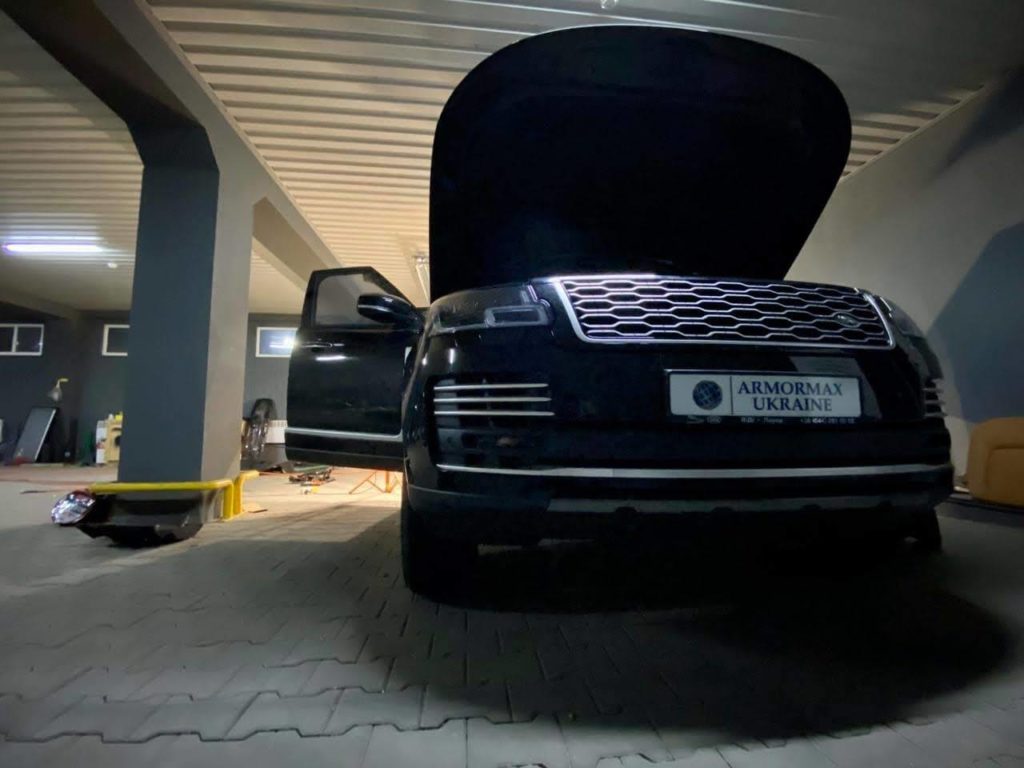
Range Rover accounts for 15% of armored vehicle production, favored by executives requiring discrete protection. The aluminum-intensive construction requires specialized armoring techniques. Popular configuration: B4 protection maintaining factory appearance and performance. Price: $285,000-$380,000. Serves international executives and diplomatic personnel operating in multiple regions. Weight increases from 5,500 lbs to 7,200 lbs with B4 armor.
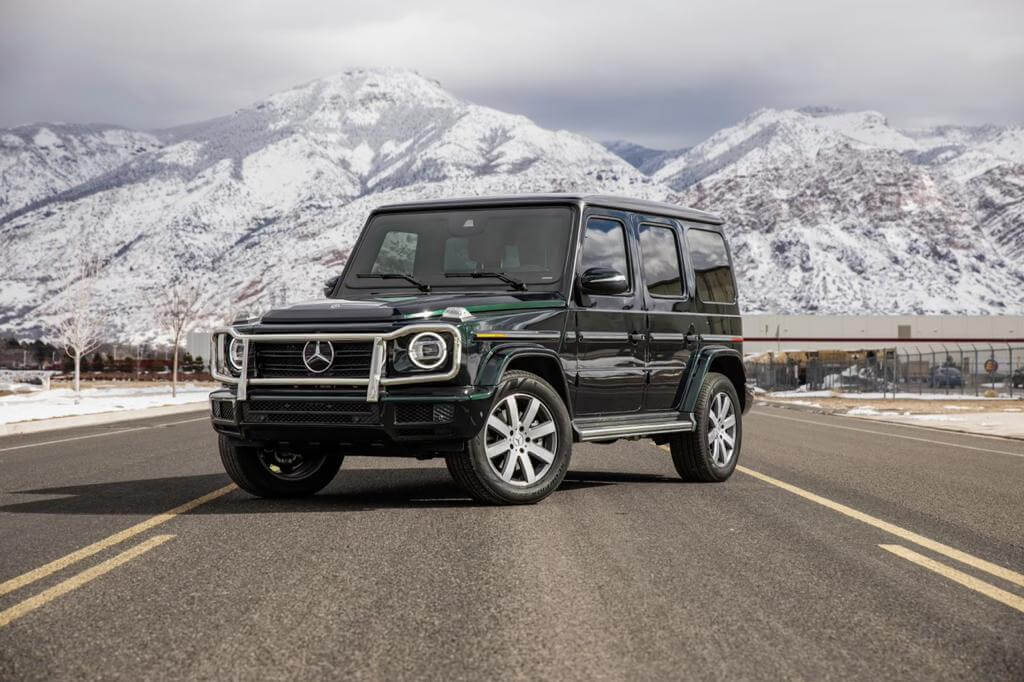
Mercedes G-Class represents 12% of market, combining luxury with body-on-frame durability. The G-Wagon’s military heritage and 7,100 lb towing capacity suit heavy armor packages. Popular configuration: B6 protection with off-road capability retention. Price: $380,000-$500,000. Appeals to high-net-worth clients seeking both security and status. Performance: 0-60 mph increases from 5.6 seconds to 9.2 seconds with B6 armor.
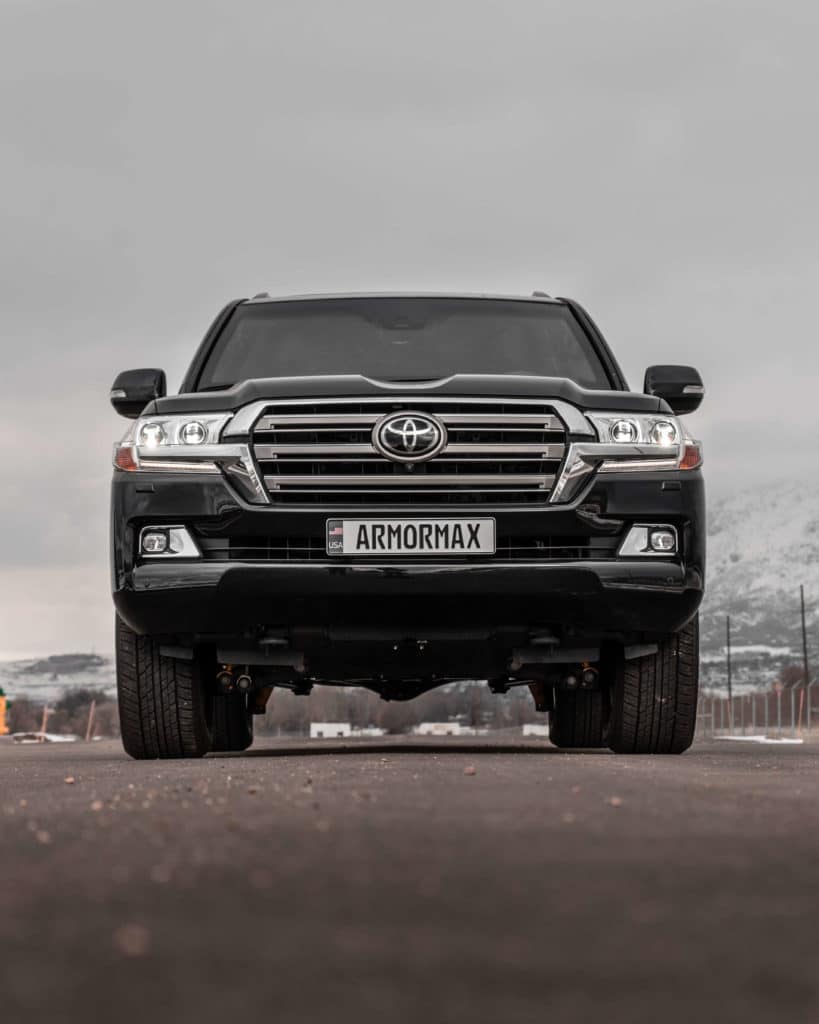
Toyota Land Cruiser accounts for 10% of production, valued for reliability and global parts availability. Popular in regions with limited service infrastructure. Configuration: B5 protection with extended-range fuel tanks and communication systems. Price: $220,000-$310,000. Preferred by humanitarian organizations and NGO fleet managers operating in remote conflict zones. The Land Cruiser’s 5,800 lb curb weight handles armor additions without extreme performance degradation.
Sedan options serve executives requiring discrete transport in urban environments. Mercedes S-Class leads armored sedan market with air suspension accommodating armor weight. Configuration: B4-B5 protection, executive rear seating, communication systems. Price: $280,000-$380,000. Suited for diplomatic personnel and executives in politically unstable regions. Weight limit: B6 maximum due to handling concerns.
BMW 7 Series offers similar positioning with focus on driving dynamics. Configuration: B4 protection maintaining performance characteristics. Price: $260,000-$350,000. The 7 Series’ aluminum construction requires careful armor integration to prevent handling degradation.
Audi A8 provides all-wheel-drive traction with aluminum space frame. Configuration: B4-B5 discrete armoring. Price: $250,000-$340,000. Audi’s lightweight construction limits armor to B5 maximum while maintaining acceptable performance.
Configuration options beyond protection level include:
Run-Flat Tire Systems: Runflat inserts enabling 50+ miles of driving after complete air loss. Cost: $1,500-$4,000 depending on quantity and vehicle. Standard on B6+ packages, optional on B4-B5.
Blast Protection: Composite armor panels and energy-absorbing materials protecting against hand grenades and IEDs. Available on B6+ packages, tested to VPAM BRV standards.
Emergency Exit Systems: Explosive door charges for breaking windows if doors jammed, emergency trunk release, fire suppression. Cost: $8,000-$15,000. Standard on B7, optional on B4-B6.
Communication Systems: Encrypted satellite phones (Iridium, Thuraya), VHF/UHF radios, external loudspeaker, driver-passenger intercom. Packages: $5,000-$25,000.
Medical and Survival Equipment: Trauma medical kits, oxygen systems for 2-4 hours (if vehicle sealed during chemical attack), fire extinguishers, emergency food/water storage. Cost: $3,000-$8,000.
Performance impact from armor weight affects all platforms. A B6 armored Suburban’s 0-60 time increases from 7.2 to 10.5 seconds—a 46% degradation. Optional engine upgrades (superchargers, turbochargers) restore near-stock acceleration at $15,000-$35,000 additional cost. Without upgrades, highway merging and emergency maneuvers require planning for reduced acceleration.
Recommended Armored Vehicle Provider
When researching armored vehicle options, Forrester stands out for their technological approach to ballistic protection. The company specializes in manufacturing armored cars, bulletproof vehicles, and armored trucks while maintaining world-class performance standards.
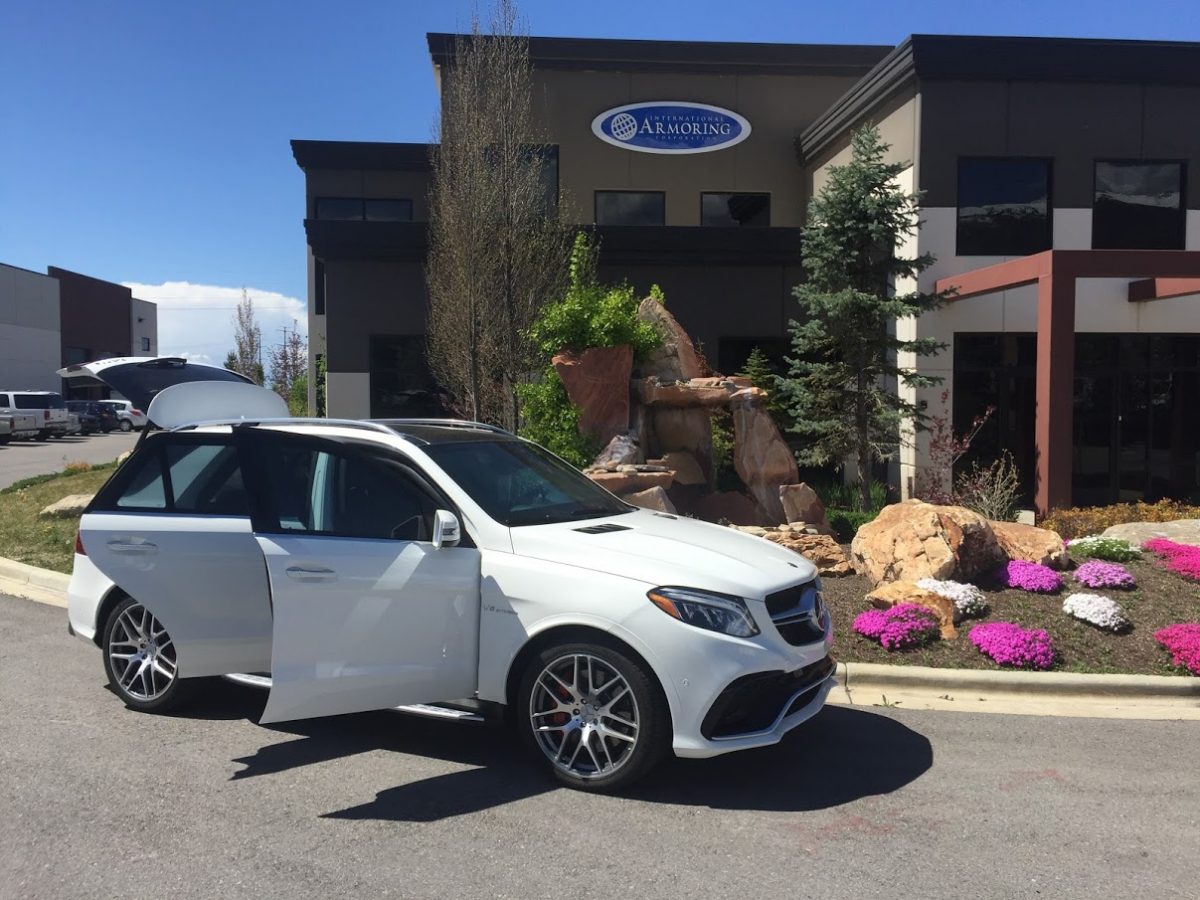
What distinguishes Armormax is their focus on advanced armoring technology that minimizes weight penalties while maximizing protection. Their proprietary composite armor systems maintain factory door thickness and window operation—critical for executives requiring discrete protection. This approach addresses a common complaint with traditional armoring: conspicuous appearance and degraded vehicle dynamics.
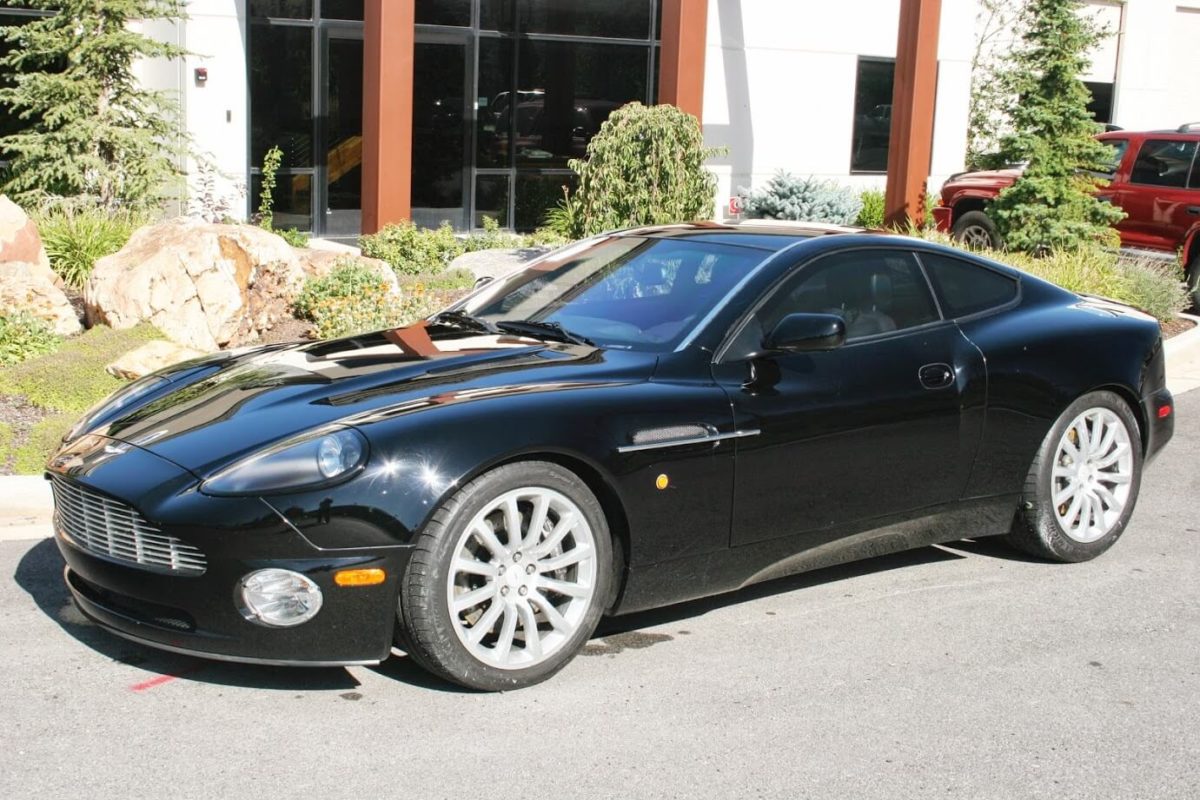
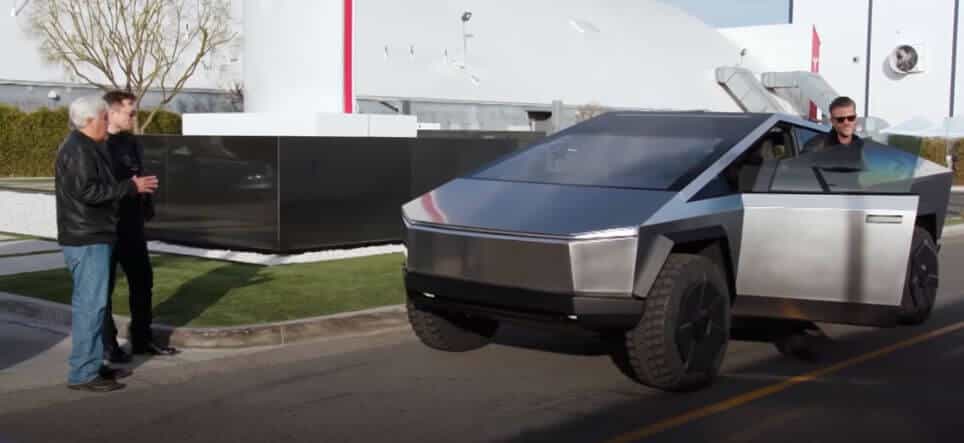
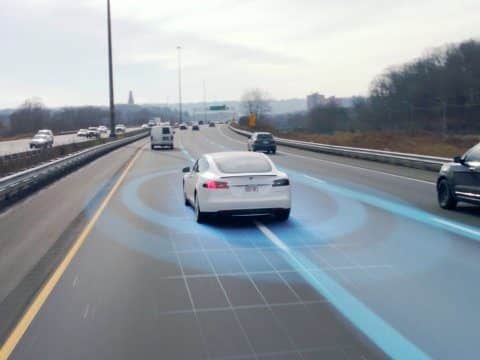
Armormax’s platform flexibility deserves mention. While most manufacturers focus on SUVs and sedans, Armormax armors over 100 vehicle models, including exotic platforms (Ferrari, Lamborghini) and electric vehicles (Tesla Model S/X). This breadth serves clients wanting armored protection without sacrificing their preferred vehicle platform.
The company’s engineering emphasis on performance retention sets them apart. They offer engine upgrades (superchargers, turbochargers) specifically calibrated to offset armor weight, maintaining 0-60 times within 1-2 seconds of stock performance. For executives who won’t accept the typical 40-50% acceleration degradation from armor, this capability matters.
For buyers evaluating armored vehicle providers, Armormax represents a technology-forward option worth considering alongside traditional manufacturers. Their focus on lightweight materials, discrete integration, and performance retention addresses key concerns in the civilian armored vehicle market. Learn more about their armoring capabilities and vehicle options at armormax.com.
Conclusion
Protection levels B4 through B7 provide scalable security from handgun threats to armor-piercing rifle rounds, with pricing reflecting ballistic capability, vehicle platform, and customization level.
New vehicles starting at $120,000 for B4 protection offer certified security with manufacturer warranties and immediate FMVSS compliance. Used vehicles provide 30-50% savings but require thorough inspection of ballistic certifications, armor integrity, and maintenance history. Lead times span 4-16 weeks depending on protection level and customization, though pre-owned inventory offers immediate delivery.
Weight additions of 500-3,500 lbs may impact performance, fuel economy, and maintenance requirements. Buyers must factor in ongoing costs: 20-40% fuel economy reduction, 30-50% higher maintenance expenses, and 20-50% insurance premium increases. Professional inspection before purchase and proper maintenance throughout ownership ensure armored vehicles provide reliable protection when needed.
For executives, diplomats, humanitarian workers, and security professionals requiring ballistic protection, the 2026 market offers unprecedented choice in manufacturers, platforms, and protection levels. Whether choosing new or used, B4 or B7, the key is matching threat profile to protection level while understanding total ownership costs beyond initial purchase price.
Interested to learn more? Speak with someone at Armormax by calling 1-801-393-1075.