When most people first consider armoring a vehicle, the conversation almost always begins a couple of common questions. How much does it cost? How much weight does the armor add? Is it worth it? Does it make financial sense? Those are fair questions, and they deserve thoughtful answers. The economics of armoring a vehicle are not just about the upfront investment; they are about understanding long-term value, risk mitigation, asset protection, operational continuity, and even resale performance. When evaluated properly, armoring shifts from being viewed as an expense to being understood as a strategic decision—one that protects not only lives, but capital, business continuity, and peace of mind from Armormax.
Type of Vehicle
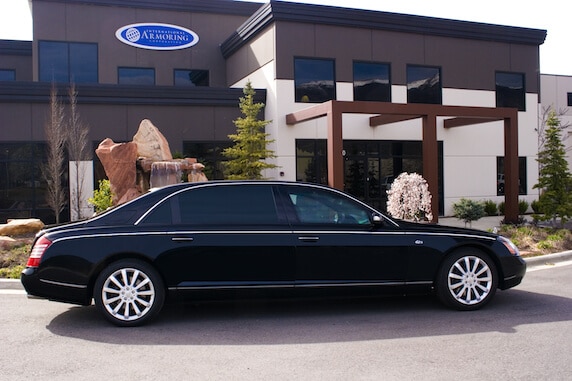
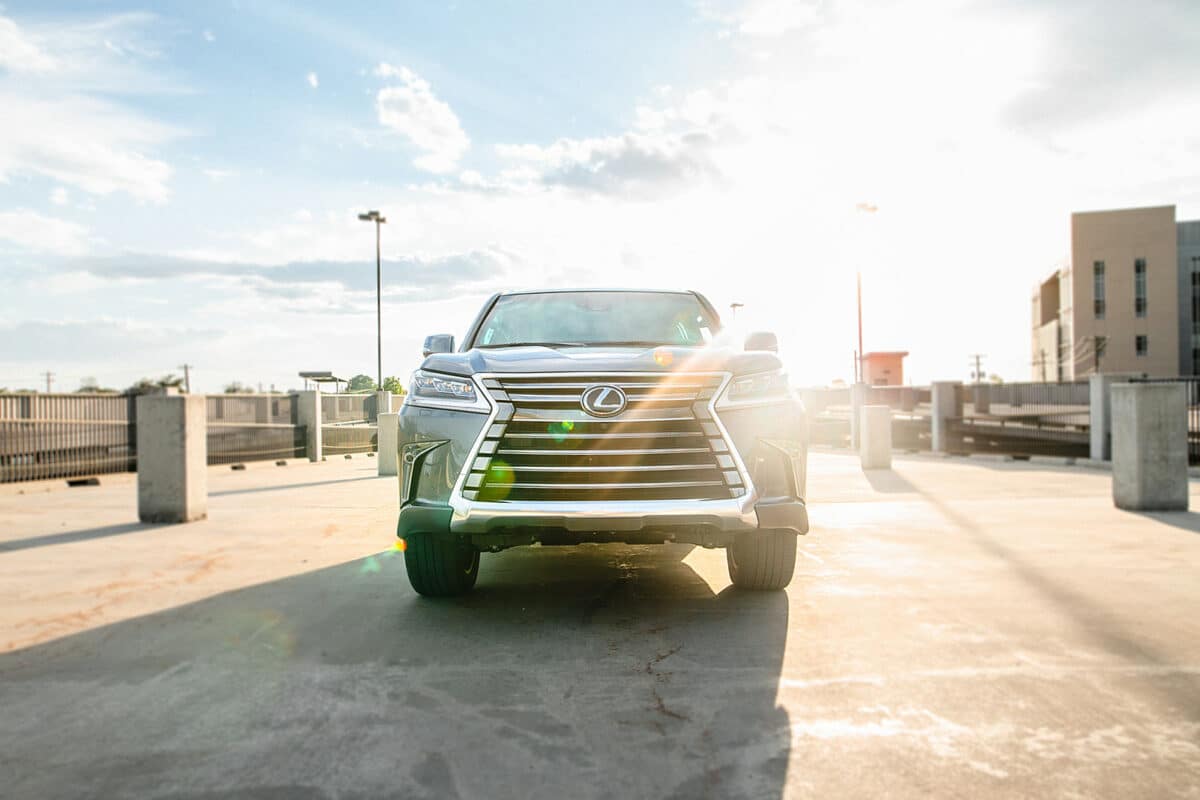
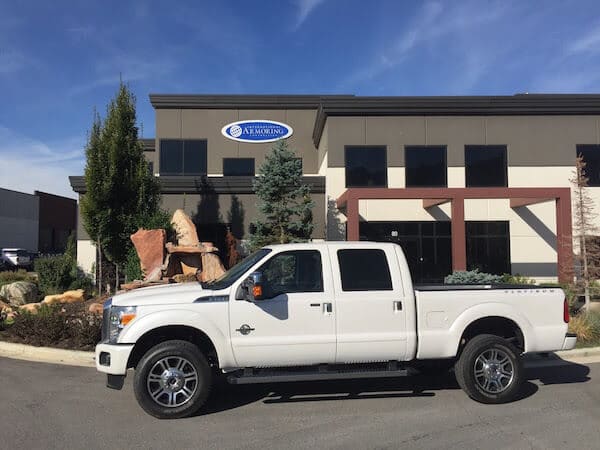
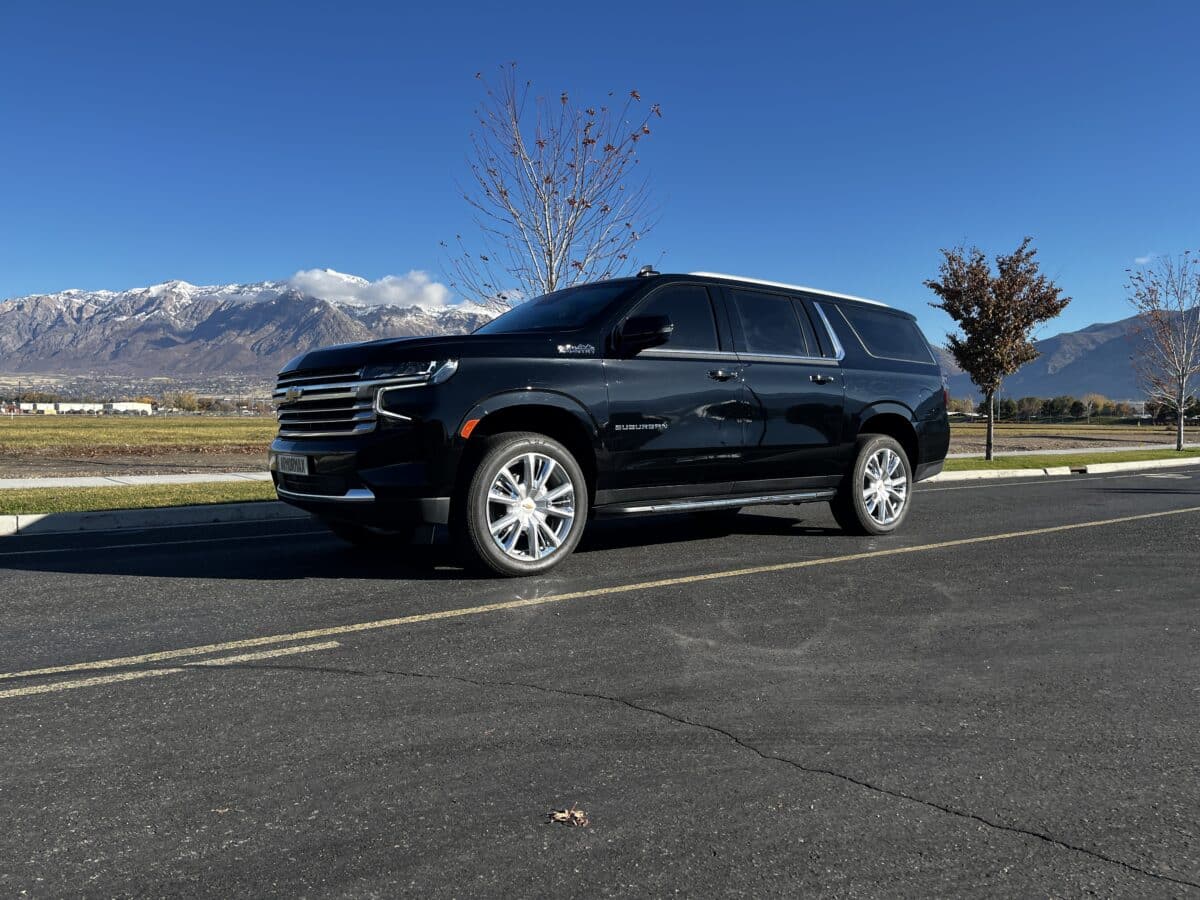
The first layer of the financial equation is the base vehicle itself. Most clients begin with a platform that already aligns with their lifestyle or operational needs—an SUV, sedan, or truck that fits family, executive, or fleet requirements. The cost of armoring is then applied to that foundation, typically based on the desired ballistic rating. Protection levels vary depending on anticipated threats, with lighter packages designed to defeat common handgun rounds and higher levels engineered to stop more powerful rifle threats. The materials used—ballistic steel, composites, aramids, and multi-layer ballistic glass—are engineered and tested to meet recognized standards international levels such as level B4 or B6. The higher the rating, the more material, labor, engineering time, and structural reinforcement are required, which directly affects price. But price alone does not define value.

A transparent budgeting approach begins with understanding what you are actually purchasing. You are not simply adding steel panels or thicker glass. A properly armored vehicle is a re-engineered system. Suspension components are upgraded to handle added weight. Brake systems are evaluated and often reinforced. Hinges, pillars, and structural zones are strengthened to maintain crash integrity. Run-flat tire systems can be installed to allow mobility even after a tire compromise. In other words, the investment is not just ballistic material; it is a comprehensive safety architecture designed to preserve performance, safety systems, and drivability under stress.
Protecting Your Investment
From a pure financial risk perspective, armoring can be viewed through the same lens as other protective investments. Businesses carry cybersecurity insurance not because they expect to be hacked tomorrow, but because the financial consequences of disruption can be catastrophic. Similarly, executives invest in secure facilities, access control, and surveillance systems to mitigate operational risk. Armoring a vehicle functions in the same category of strategic risk management. The potential financial cost of a violent incident—medical expenses, litigation, business interruption, reputational damage, and asset loss—can far exceed the cost of preventative protection. While no one hopes to ever rely on armor, its value becomes immeasurable in the rare moment it is needed.
Insurance
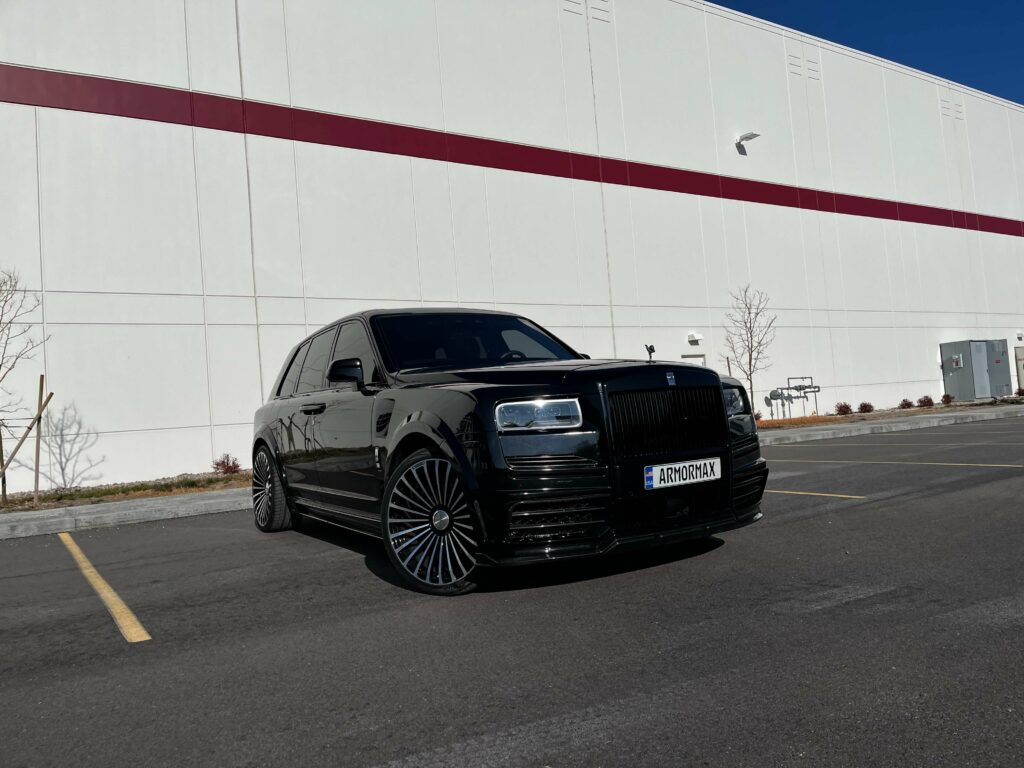
Insurance considerations are often overlooked in the cost discussion, yet they play an important role in the long-term economics. Depending on location and insurer, armored vehicles may qualify for specialized policies tailored to high-value assets. In certain risk-prone environments, underwriters recognize that enhanced security can reduce exposure to loss events. While premium structures vary and depend heavily on geography and use case, documented protective upgrades can influence how insurers evaluate overall risk.
Resale Value
Resale value represents another dimension of the equation. A professionally armored vehicle built to recognized standards, with documentation of materials, certification, and maintenance records, often retains a distinct niche market appeal. In regions where security concerns are ongoing, pre-armored vehicles can command significant interest. Buyers are not simply purchasing a used car; they are acquiring a ready-built protective platform that avoids long build timelines. Like any specialty asset, resale performance depends on condition, brand reputation, and protection level, but quality armoring from an established provider can preserve value more effectively than improvised or uncertified modifications.
Operational continuity is another economic factor that deserves attention. For business owners, high-net-worth individuals, and public figures, mobility equals productivity. A missed meeting, canceled trip, or compromised supply chain can create financial ripple effects far beyond the cost of a vehicle upgrade. Armoring ensures that transportation remains reliable even in uncertain environments. In high-risk regions or industries, reliability is not just convenience; it is operational stability. When viewed through that lens, armoring supports revenue continuity rather than merely enhancing personal security.
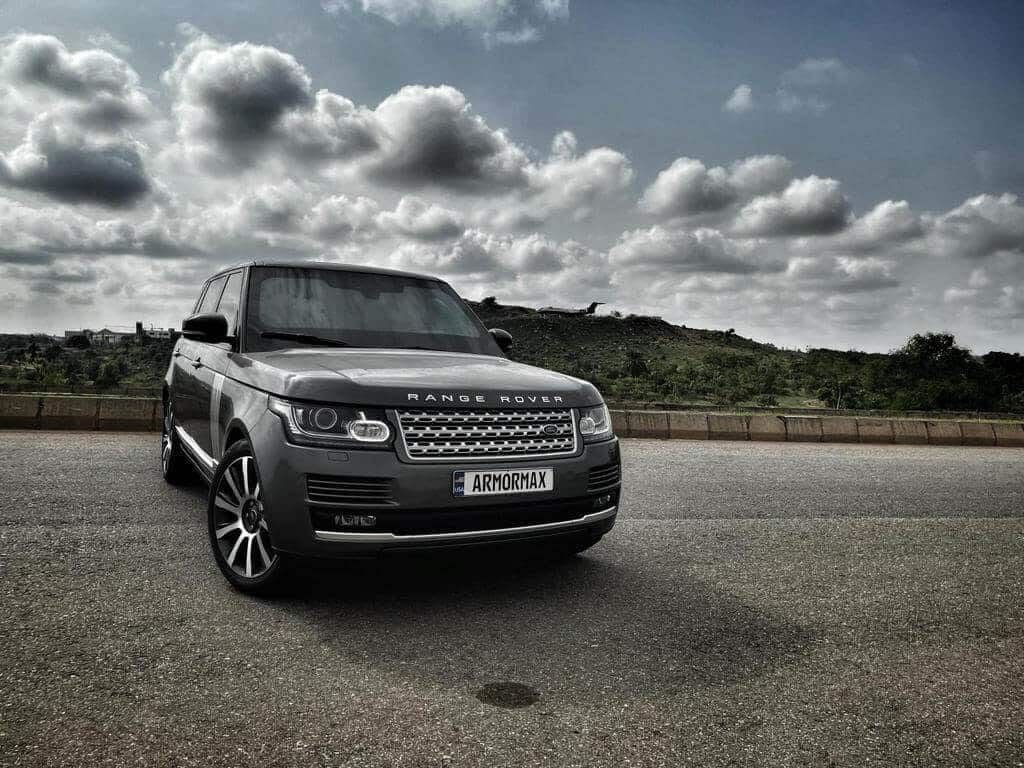
It is also important to distinguish between professional armoring and superficial modifications. Low-cost alternatives that promise “bulletproof” protection without engineering validation can create hidden costs. Poorly integrated armor may compromise crash zones, interfere with airbags, accelerate suspension wear, or create long-term maintenance issues. These shortcuts may appear cheaper initially, but they often generate higher lifecycle expenses and reduced resale confidence. True value lies in integration—where protection works seamlessly with original manufacturer safety systems, electronic controls, and structural engineering.
Car Maintenance Costs
Maintenance costs for armored vehicles are often comparable to those of heavy-duty or performance variants of similar models. Because professional armoring includes suspension and brake upgrades, wear components are selected to handle increased loads. Routine service intervals remain predictable, and when armor is installed correctly, it does not inherently increase day-to-day maintenance complexity. The key factor is partnering with a provider who understands both ballistic engineering and automotive systems integration. When that balance is achieved, long-term ownership costs remain stable and manageable.
From a broader financial planning perspective, armoring can be evaluated similarly to real estate security investments. Installing reinforced doors, impact-resistant windows, and monitored alarm systems adds upfront cost to a property, yet these features increase perceived safety, buyer confidence, and in some cases, property value. Vehicles are mobile assets, but the principle remains similar. Protection adds tangible and intangible value. It enhances safety, strengthens asset resilience, and provides a level of assurance that cannot be easily quantified in simple dollar terms.
For families, the value equation often shifts from numbers to priorities. Parents invest in safe neighborhoods, quality schools, and reliable vehicles because safety is foundational. Armoring extends that philosophy into mobility. While statistically rare, violent vehicle-based threats can be severe when they occur. Choosing to reinforce a vehicle is not driven by fear; it is driven by preparedness. And preparedness, when viewed calmly and rationally, is an investment in stability.
Peace of Mind
There is also a psychological dimension to value. Peace of mind carries measurable impact on decision-making and performance. Executives who travel frequently in emerging markets, humanitarian workers operating in unpredictable regions, or individuals with elevated public profiles often describe reduced stress when traveling in armored vehicles. That reduction in stress improves focus, clarity, and confidence. While difficult to assign a financial figure to peace of mind, its influence on productivity and leadership effectiveness should not be underestimated.
When evaluating cost versus value, it is useful to compare armoring not to discretionary luxury upgrades, but to other protective infrastructure. No one debates whether fire suppression systems in commercial buildings are “worth it.” Their presence is mandated because the consequences of absence are unacceptable. Armoring occupies a similar space for individuals or organizations operating in elevated-risk environments. It is not a statement of paranoia; it is a strategic response to realistic risk assessments.
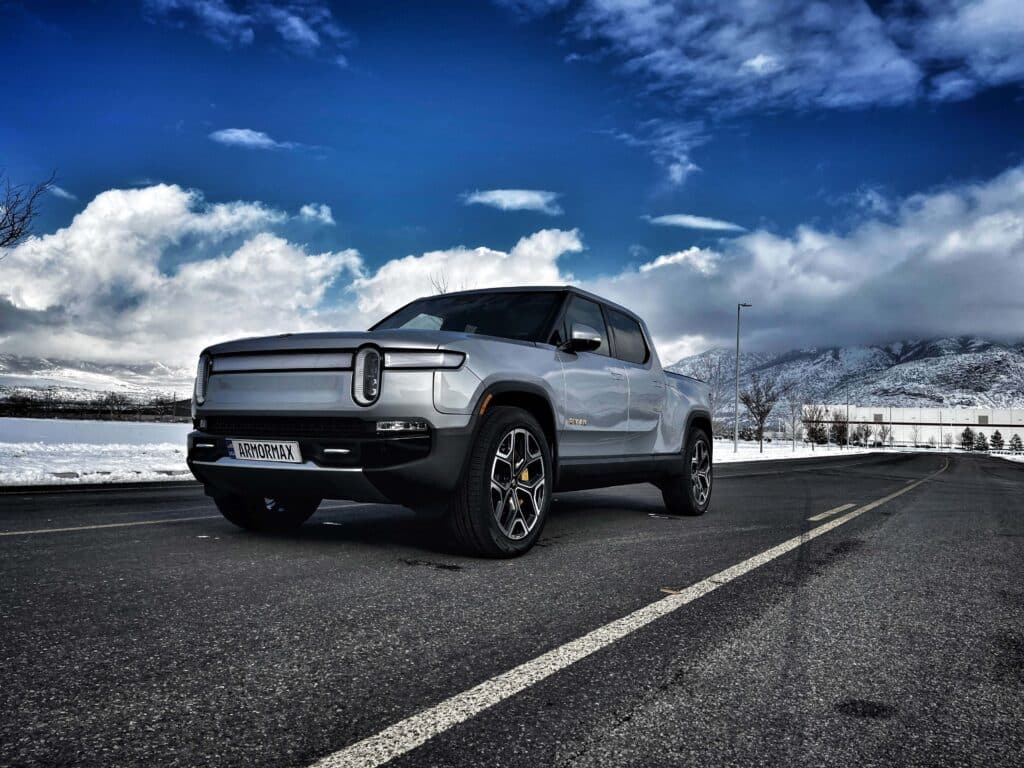
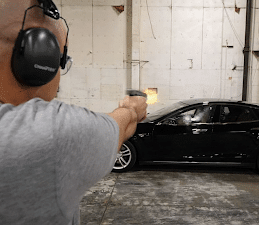
Transparency in budgeting also means understanding that not every client requires the highest protection level available (see videos). A thoughtful threat assessment allows buyers to select the appropriate rating rather than overinvesting in unnecessary upgrades. Protection should match realistic exposure, not hypothetical extremes. Working with experienced advisors ensures that funds are allocated efficiently—strengthening critical areas such as doors, pillars, roof, and glass without adding excessive weight or cost beyond what is needed.
Long-Term Protection
The long-term perspective reveals that armoring is rarely a spontaneous purchase. It is typically the result of careful planning, consultation, and strategic thinking. Clients who approach the decision thoughtfully tend to focus less on the headline price and more on lifecycle value, durability, brand reputation, and service support. They evaluate engineering integrity, material quality, and compliance with recognized ballistic standards. In doing so, they move from asking “How much does it cost?” to asking “What, who, and how does it protect?”
Ultimately, the economics of armoring a vehicle come down to understanding value beyond the invoice. Yes, there is a measurable upfront investment. Yes, materials, engineering, and labor carry real cost. But that investment purchases layered protection, operational resilience, potential insurance advantages, preserved resale appeal, and above all, the ability to move through uncertain environments with confidence. For individuals and organizations who operate in spaces where risk is not hypothetical, armoring is less about expense and more about foresight.
When viewed through a long-term lens, the equation becomes clear. Protection preserves life and offers peace of mind. Preservation of life preserves leadership, family stability, and business continuity. Business continuity preserves revenue. Revenue preserves opportunity. And opportunity sustains growth. In that chain of cause and effect, armoring is not merely a vehicle upgrade; it is a strategic safeguard embedded into the very framework of mobility.
Cost is immediate and visible. Value unfolds over time. And when protection is engineered correctly, integrated professionally, and aligned with real-world risk, the value of armoring extends far beyond steel and glass. It becomes an investment in continuity, confidence, and control—three assets that, in uncertain times, are worth far more than their line item on a balance sheet.
To learn how Armormax technology can save lives call 1-801-393-1075 to speak with someone at the company.