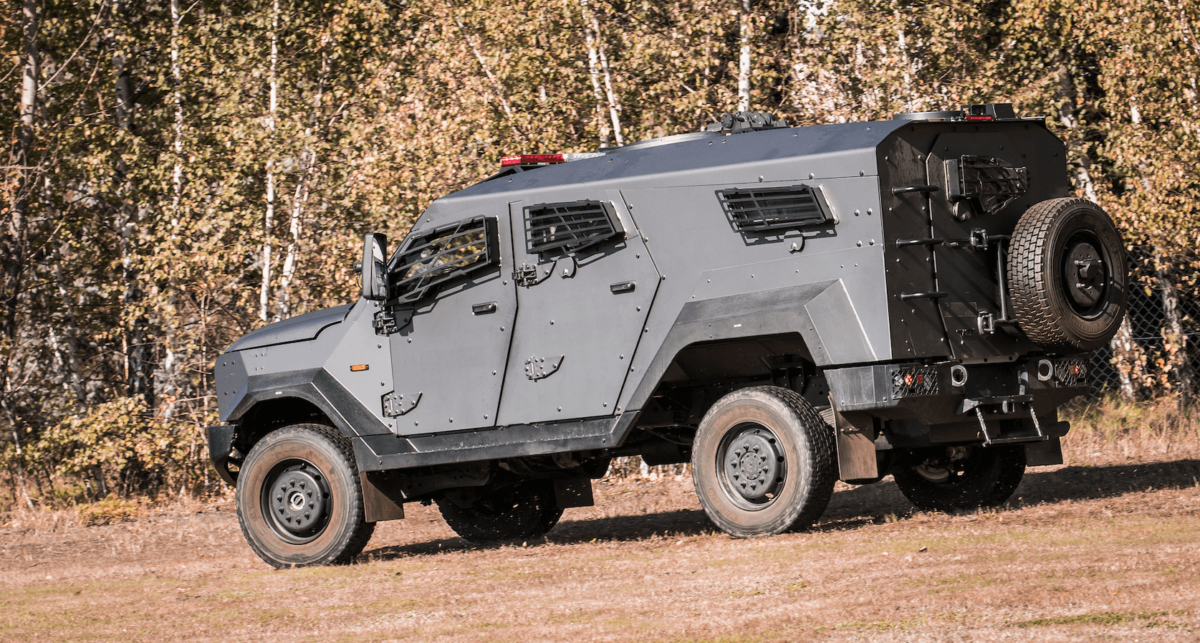
Commercial and security vehicles spend far more time on the road than the average passenger car. They travel longer distances, operate in high-traffic corridors, and often function in challenging environments—day and night, rain or dust, calm routes or high-risk zones.
For these vehicles, recording systems are not accessories. They are situational-awareness tools to help teams in a variety of situations.
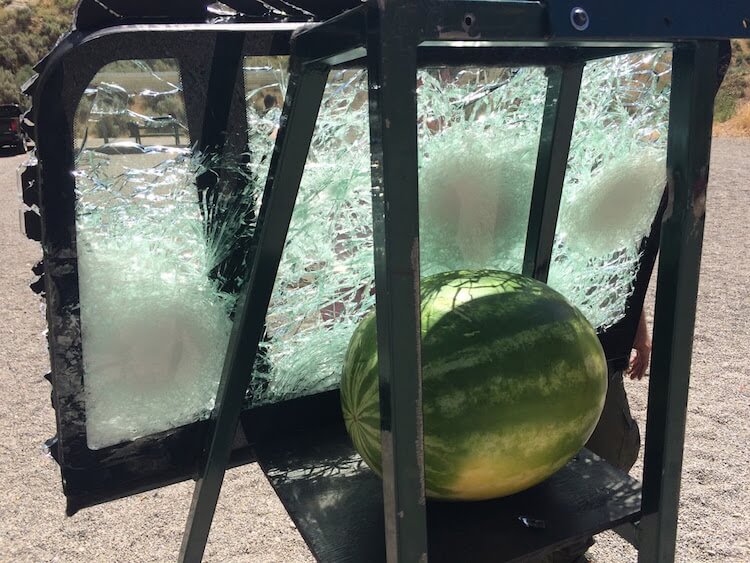
Modern truck dash cam technology is designed to support long operating hours, minimize driver distraction, and provide reliable visual records when they matter most. This is especially important for armored and security vehicles, where accountability, documentation, and safety are non-negotiable.
Unlike consumer dash cams, professional systems are built for endurance, consistency, and integration with commercial-grade vehicles.
Why Road Recording Matters in Commercial and Security Operations
Dash cameras in commercial and armored vehicles serve one core purpose: clarity.
They provide an objective visual record of:
- Traffic behavior and road conditions
- Unexpected events or security incidents
- Environmental changes across repeated routes
For fleets that run the same routes daily—whether logistics, government, or private security—recordings help reveal real-world patterns over time. Rain, fog, congestion, night driving, or unusual activity all become part of a documented operational picture.
Equally important, modern systems operate automatically. Once installed, they record without driver input, allowing operators to stay focused on the road while the system works quietly in the background.
The Purpose of Road Recording Systems in Commercial Trucks
Dash cams in commercial trucks are used to record daily driving activity. They capture traffic flow, road conditions, and unexpected events that happen during a trip. This footage helps drivers and operators understand what took place during a specific moment.
Commercial trucks often drive the same routes again and again. A dash cam records these routes in different situations, such as rain, fog, heavy traffic, or nighttime driving. Over time, these recordings show patterns that reflect real road conditions.

Armormax offers dash cam installation on their vehicles to help teams and companies have more access to video monitor to better protect their drivers. Another reason dash cams are used in trucks is consistency. A properly installed system records automatically without the driver needing to interact with it. This allows the driver to focus on driving while the system runs in the background.
Core Components of Commercial Vehicle Camera Systems
A professional dash cam system is built from several purpose-driven components:
Camera & Sensor
High-quality lenses and image sensors capture wide, stable views of the road and surrounding environment. The sensor converts light into clear, usable video—even during long shifts or difficult lighting.
Onboard Processing
Integrated processors manage recording efficiently by breaking footage into short, time-stamped clips. This keeps files organized and easy to review when needed.
Secure Storage
Commercial systems rely on durable internal storage or removable memory designed for continuous use. When storage fills up, older unprotected files are overwritten automatically, while important clips are preserved.
Power Integration
Unlike consumer cameras, truck and security vehicle systems connect directly to the vehicle’s electrical system. This ensures consistent operation throughout long duty cycles without manual charging or intervention.
1. Video Recording Quality and Field of View
Video clarity is one of the most significant criteria to consider when evaluating a truck dash cam. Resolution will impact how much detail can be captured by the device. Clearer resolution helps distinguish such things as lane markings, nearby vehicles, and shifts in traffic flow.
Frame rate is also significant in this sense. A consistent frame rate will ensure that movement is not disrupted. This is particularly helpful if a user is reviewing footage of traffic on busy roads or unexpected stops.
Truck dash cams are often equipped with wide-angle lenses. The wider the angle, the more of the road will be captured on camera. This can be helpful for cameras placed on large vehicles, as lanes are often wider and there is a lot more movement from other drivers. Angles should be wide enough to get a sufficient field of vision without making nearby objects appear distorted or unclear.
2. Front, Rear, and Multi-Camera Setups
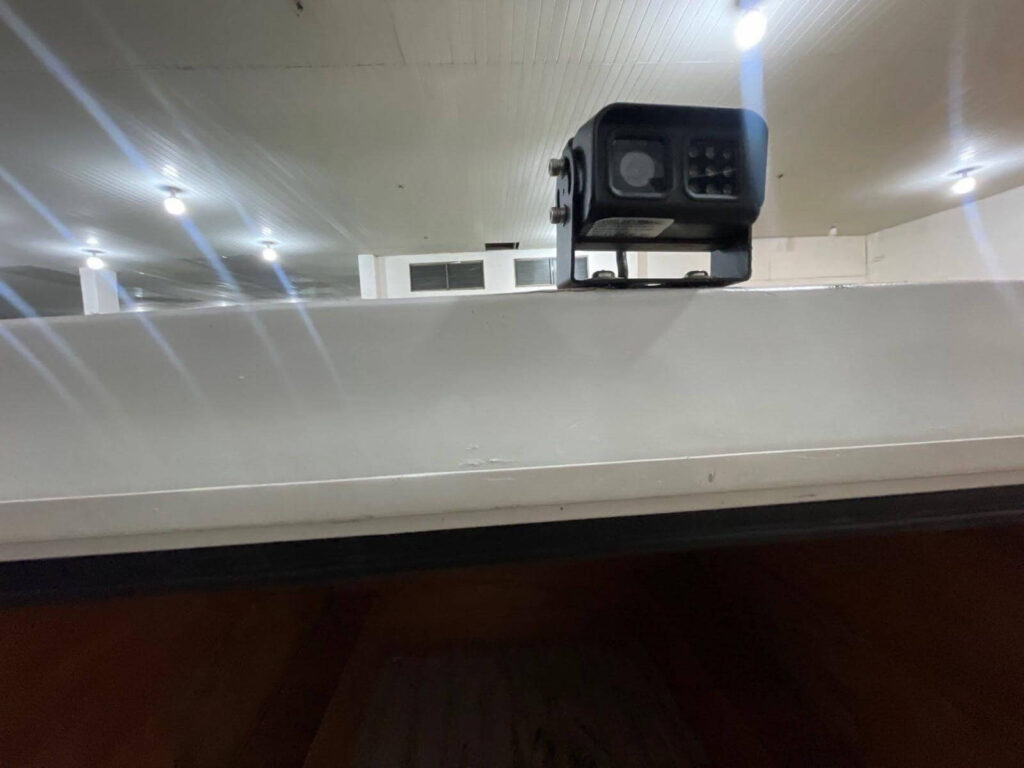
A front-facing camera mounted on the dashboard is a very common setup for trucks. The recording done by this camera will focus on capturing traffic, movement within the lane, and obstacles on the road.
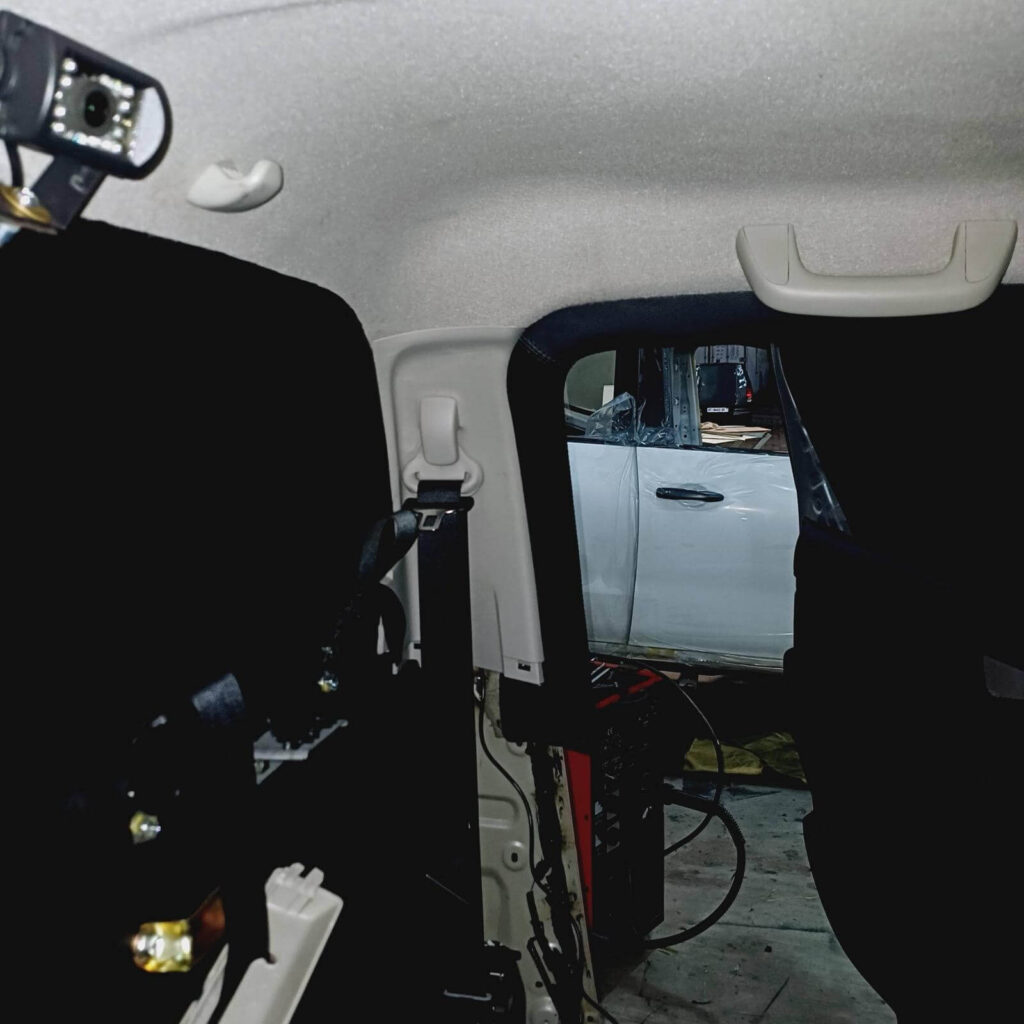
Recording the rear-facing view with the help of a rear-facing camera is also adopted by some vehicle manufacturers. This may help document what occurs behind the truck when reversing or changing lanes. Cameras that face the cabin can also be included in some configurations. Records of the inside of the vehicle help to indicate the movement of the driver in specific circumstances.
Systems that use multiple cameras can record multiple views at the same time. For large commercial trucks, this can mean a more complete view of the state of the road without burdening the driver.
3. Recording in Low Light and Night Conditions
Commercial trucks often operate at night. Because of this, low-light recording is an important part of camera technology. Modern systems use sensors designed to handle darkness better than older cameras. These sensors reduce grainy images and help maintain clear footage even when street lighting is limited. Automatic light adjustment helps when a truck moves between bright and dark areas. This keeps footage readable during early morning or late-night driving. A Truck Dash Cam with strong low-light performance ensures recordings remain useful at all hours.
4. Storage and File Management
Recorded footage must be stored safely and organized properly. Most systems save video in short segments to keep files manageable. When storage space is nearly full, the system deletes the oldest unprotected files. Clips linked to sudden movement or impact are often saved automatically. Long-haul trucks may record for many hours at a time. Storage systems must handle this without freezing or losing data.
Simple file access allows footage to be reviewed without special tools or technical knowledge.
5. Power Handling in Commercial Vehicles
Commercial trucks use stronger electrical systems than passenger cars. Camera systems must be designed to work safely under these conditions. Many recording systems connect directly to the truck’s power supply. This allows the camera to turn on when the engine starts and shut down properly when the vehicle stops.
Some systems continue recording for a short time after the engine is turned off. Power control features help protect the vehicle battery during this period.
A stable power connection helps a Truck Dash Cam operate smoothly during long driving shifts.
How Recording Systems Affect Driver Awareness
When you know you’re being recorded, you’ll drive more carefully. Drivers will be more aware of their environment at all times. Recordings can be played back to identify driving behavior. The review will show which areas need more awareness, such as lane position and braking. Video recordings provide novice drivers with real-world examples of road situations. This way, their training will be more practical and comprehensible.
The software will run in the background without disrupting your daily driving.
Hardware Strength and Environmental Conditions
Commercial vehicles face heat, vibration, dust, and weather changes. Recording hardware must handle these conditions without failure. Strong mounts keep cameras steady on rough roads. Heat resistance is important because cameras are often exposed to sunlight through the windshield. Reliable hardware ensures consistent recording during long trips. Gaps in footage reduce the value of stored data.
Compatibility With Modern Truck Electronics
Modern trucks use advanced electrical systems. Recording devices must operate without interfering with other vehicle functions. Some systems work independently, while others connect to power controls inside the truck. A simple setup reduces driver distraction. A truck dash cam that integrates smoothly allows drivers to focus on the road rather than settings or controls.
Privacy and Responsible Use
Recorded footage may include sensitive information. Responsible handling is important. Drivers should understand what is recorded and how footage is used. Clear rules help maintain trust. Access to recordings should be limited and handled carefully to protect privacy.
Final Thoughts
Road recording systems are now standard on many modern commercial vehicles. Designed for long hours, rough roads, and all types of conditions.
Familiarising yourself with the technology gives drivers and operators the best chance of using it correctly. Video quality to storage, and power handling, are every aspect that contributes to a reliable recording. Used sensibly, Truck Dash Cam technology offers crystal clear records of daily driving and supporting awareness on the road.