Ford’s 6.7L Power Stroke has earned a reputation for being a serious workhorse.
Since its introduction for the 2011 model year, the Power Stroke has powered everything from construction trucks and heavy-duty tow rigs to ranch vehicles, fleet trucks, and specialized security vehicles. Its combination of torque, towing capability, and durability makes it a natural choice for owners who expect their trucks to do more than simply get from point A to point B.
But there is an important distinction between a truck that is capable of doing hard work and one that is reliably ready to do it year after year.
As mileage climbs, components wear. Fuel systems become more sensitive to contamination. Cooling systems have to work harder. Turbochargers, charge-air components, emissions equipment, and other systems can develop problems that aren’t always obvious until the truck is under load.
And if the truck has been modified or armored, reliability becomes even more important.
An armored truck can carry substantially more weight than the original vehicle, which means the engine, transmission, brakes, cooling system, suspension, and tires can all have more work to do. For a security vehicle, an unexpected breakdown isn’t simply inconvenient—it can interrupt a route, strand occupants, or create a situation where the vehicle cannot perform its intended job.
That’s why the smartest approach to a high-mileage 6.7L Power Stroke isn’t simply adding horsepower or replacing parts because they’re popular in the diesel aftermarket.
The goal is to build a truck that is dependable, predictable, and appropriate for the job it actually performs.
Here are the areas that deserve the most attention.
1. Start With the Basics: Airflow, Exhaust, and Overall Engine Health
Before spending money on aftermarket upgrades, make sure the engine is healthy.
It sounds obvious, but this is where many owners go wrong. It’s tempting to start shopping for a larger turbocharger, intake, tune, exhaust system, or fuel-system upgrade when the truck doesn’t feel quite right.
Sometimes the best upgrade is finding out what’s actually wrong.
A diesel engine depends on a carefully balanced relationship between airflow, fuel delivery, exhaust flow, lubrication, and cooling. A problem in one system can create symptoms somewhere else.
For example, a boost leak can make the turbocharger work harder. A sensor problem or fueling issue can contribute to abnormal soot production. Cooling problems may only become obvious when the truck is towing or operating under sustained load.
Replacing parts without identifying the underlying problem can get expensive quickly.
Understand DPF Regeneration
The diesel particulate filter, or DPF, is designed to capture particulate matter from the exhaust. As soot accumulates, the truck initiates regeneration, raising exhaust temperatures to burn off the accumulated material.
Regeneration itself isn’t a problem. It’s a normal part of how a modern diesel operates.
The concern is when regeneration becomes unusually frequent, doesn’t complete properly, or is accompanied by warning lights, reduced performance, or other changes in the truck’s behavior.
Short trips, extended idling, driving patterns, sensor problems, and engine-related issues can all influence regeneration.
If a truck is constantly asking to regenerate, don’t automatically assume the DPF itself has failed.
Look for the reason.
What should owners watch for?
- Changes in regeneration frequency
- Exhaust-system warning lights
- Diagnostic trouble codes
- Excessive soot
- Changes in fuel economy
- Loss of power
- Air or boost leaks
- Changes in normal engine behavior
For a truck that serves a security role, this matters even more.
You don’t want to discover an emissions or engine problem when the truck is already loaded with passengers, equipment, or armor and operating far from home.
The objective isn’t to eliminate maintenance. It’s to eliminate surprises.
2. Protect the High-Pressure Fuel System
The fuel system deserves serious attention on any high-mileage 6.7L Power Stroke.
The engine uses a high-pressure common-rail fuel injection system that depends on clean fuel and precise operation. Water, dirt, or metallic debris can cause expensive damage.
One component that has received considerable attention among Power Stroke owners is the Bosch CP4 high-pressure fuel pump.
If the pump experiences an internal failure that produces metallic debris, that material can potentially circulate through the high-pressure fuel system and damage injectors, rails, and other components.
That’s when a relatively straightforward component failure can become a major repair.
Should You Upgrade the Fuel Pump?
Aftermarket fuel-system conversions, including CP3 conversion options, are available for certain applications.
That doesn’t mean every 2011–2019 Power Stroke automatically needs one.
The right decision depends on the truck’s model year, configuration, existing fuel system, intended use, calibration, emissions requirements, and overall condition.
For a truck that is lightly used and properly maintained, keeping the factory system healthy may be the most practical choice.
For a high-mileage truck that performs demanding work—or a specialized vehicle where reliability is particularly important—an owner may decide that additional fuel-system protection is worth considering.
The important thing is to make the decision based on the vehicle’s mission rather than internet consensus.
Simple fuel-system habits can make a big difference
- Replace fuel filters according to the applicable maintenance schedule.
- Drain the water separator as directed.
- Buy fuel from reputable stations.
- Take water-in-fuel warnings seriously.
- Pay attention to changes in starting or idle quality.
- Investigate unusual engine behavior instead of ignoring it.
- If a high-pressure pump failure is suspected, check the system for contamination before installing replacement components.
Preventive maintenance won’t eliminate every possible failure.
But neglecting filtration or contamination warnings can turn a manageable repair into a much larger one.
3. Evaluate the Turbocharger Before Replacing It
The turbocharger is one of the reasons the 6.7L Power Stroke can produce the kind of torque that makes a Super Duty so useful.
It also operates under significant heat and pressure.
That makes turbocharger health especially important for trucks that tow regularly, carry heavy loads, or spend long periods working under load.
Ford changed the turbocharger arrangement during the 6.7L’s production run. Early 2011–2014 trucks used a distinctive single turbocharger design with a dual-sided compressor arrangement, while later trucks adopted a different configuration.
That distinction matters.
A turbocharger advertised as fitting a “6.7 Power Stroke” isn’t necessarily appropriate for every model year.
Signs a turbocharger may need attention
Watch for:
- Unusual turbocharger noise
- Underboost or overboost codes
- Noticeable loss of power
- Boost leaks
- Damaged charge-air connections
- Oil leakage
- Changes in normal boost behavior
But don’t immediately assume the turbocharger itself has failed.
A damaged intercooler boot, loose connection, sensor problem, or control issue can produce similar symptoms.
Diagnose before replacing.
Is a Bigger Turbo Better?
Not necessarily.
This is one of the easiest traps to fall into with diesel modifications.
A larger turbocharger designed around maximum horsepower may not provide the low-speed response and predictable torque delivery that a working truck actually needs.
If your truck regularly tows, carries heavy equipment, or operates in demanding conditions, usable power can be much more valuable than a dyno number.
And for an armored vehicle, that philosophy becomes even more important.
An armored truck isn’t being built to win a drag race. It needs predictable acceleration, dependable cooling, reliable power delivery, and the ability to handle additional vehicle weight without unnecessary mechanical stress.
Build the truck around the mission, not the horsepower chart.
4. Be Conservative With Engine Tuning
Few modifications can transform the personality of a diesel truck as quickly as a tune.
Engine calibration can change fueling, injection timing, boost targets, throttle response, and transmission behavior.
The right calibration can make a truck feel dramatically better.
But more power isn’t automatically more reliability.
Increasing fuel delivery and cylinder pressures can increase mechanical and thermal stress. How much stress depends on the calibration, engine condition, operating environment, maintenance, and driving habits.
Transmission behavior matters too.
A tune that produces huge peak torque but creates harsh or poorly controlled shifts may not be an improvement for someone who regularly tows.
What should high-mileage owners do before tuning?
Start with the basics.
Make sure there are no unresolved:
- Boost leaks
- Fueling problems
- Cooling issues
- Diagnostic codes
- Transmission problems
- Existing engine problems
Then, if tuning makes sense, choose a calibration appropriate for the vehicle and its intended use while maintaining applicable emissions compliance.
For a truck expected to work for another 100,000 miles, chasing the largest possible horsepower increase may be the wrong objective.
For an armored or security vehicle, the argument is even stronger.
Predictability is a performance characteristic.
If the vehicle needs to accelerate, climb, tow, or maneuver under additional weight, consistent power delivery is generally more valuable than having the most aggressive tune available.
5. Keep the Crankcase Ventilation System Working Properly
Diesel engines produce blow-by—combustion gases that make their way past the piston rings and into the crankcase.
The crankcase ventilation system manages those gases and helps prevent excessive pressure buildup.
Oil mist from the ventilation system can also contribute to residue in the intake and charge-air system over time.
A small amount of oil film isn’t necessarily cause for alarm.
But a sudden increase or excessive accumulation deserves attention.
Inspect the ventilation system along with the charge pipes, intercooler connections, and intake components during routine maintenance.
Be cautious about modifications that simply reroute ventilation hoses without considering crankcase pressure, oil separation, and the vehicle’s requirements.
For a road-driven truck, maintaining the factory system—or using an appropriate compliant closed system—is generally the simpler approach.
Again, this comes back to reliability.
The fewer unnecessary variables you introduce into a truck, the easier it becomes to diagnose problems when something eventually does go wrong.
6. Use the Right Oil—and Pay Attention to What It Tells You
Engine oil is more than a lubricant.
It reduces friction, carries heat away from components, suspends contaminants, and provides an important window into what’s happening inside the engine.
As a Power Stroke accumulates mileage, oil condition becomes increasingly useful information.
Understand Fuel Dilution
Fuel dilution occurs when diesel fuel enters the engine oil and potentially reduces its viscosity and protective properties.
Regeneration behavior can be relevant when investigating suspected fuel dilution, but normal DPF regeneration should not automatically be treated as evidence of damaging oil contamination.
Instead, look for changes.
An unexpected increase in oil level, a strong diesel odor in the oil, or laboratory analysis showing excessive fuel dilution deserves investigation.
The cause could be related to operating conditions, regeneration, an injector issue, or another underlying problem.
Use the Correct Oil
The correct engine oil specification matters.
Use oil that meets the Ford specification applicable to the particular truck and operating conditions rather than choosing a lubricant simply because it’s marketed as “heavy duty” or “high mileage.”
Operating conditions matter too.
A truck that spends its life towing heavy loads or idling for hours doesn’t experience the same stresses as one driven unloaded on the highway.
Consider Used-Oil Analysis
For owners who want a better picture of what’s happening inside the engine, used-oil analysis can be valuable.
Depending on the test, it may reveal:
- Fuel dilution
- Coolant contamination
- Abnormal wear metals
- Changes in viscosity
- Other indicators of developing mechanical problems
One oil sample won’t predict the future.
But multiple samples taken over time can reveal trends.
For a high-mileage truck—or an expensive specialized vehicle—that information can be worth having.
7. Don’t Ignore the Cooling System
Heat is one of the biggest enemies of reliability.
That’s especially true when a diesel is towing, carrying heavy loads, climbing grades, or operating in hot weather.
A cooling system that works perfectly on an unloaded highway drive may struggle when the truck is working at maximum capacity for an extended period.
The 6.7L Power Stroke uses a more complex cooling arrangement than a basic engine-and-radiator system, and Ford revised elements of the system throughout the engine’s production run.
Before installing a larger radiator or other cooling upgrades, make sure the existing system is actually functioning properly.
What should you inspect?
- Coolant level and condition
- Radiator and heat-exchanger fins
- Debris between the cooling stacks
- Hoses and connections
- Evidence of leaks
- Fan operation
- Relevant pumps and thermostatic components
- Temperature behavior while towing
This last point is particularly important.
A truck can look completely healthy while sitting in the driveway.
The real test comes when it is carrying a heavy load up a long grade in 100-degree weather.
Dust, mud, insects, and other debris can also restrict airflow through the cooling stack. A heat exchanger doesn’t have to completely fail to become less effective.
Periodic cleaning and inspection can therefore be extremely valuable for trucks that operate in dusty, dirty, or demanding environments.
Cooling becomes even more important after armoring
When a truck is armored, the vehicle’s operating conditions can change.
Additional vehicle weight means the powertrain may work harder during acceleration and climbing. Tires and brakes may experience greater loads. The cooling system may have to reject more heat during demanding operation.
That’s why armoring shouldn’t be viewed as simply adding protective material to a truck.
A properly engineered armored vehicle is a system.
Engine performance, transmission behavior, cooling, suspension, brakes, tires, electrical systems, and armor all need to work together.
8. Build Your Maintenance Plan Around How the Truck Is Actually Used
One of the best “upgrades” you can make to a 6.7L Power Stroke doesn’t involve buying a part.
It’s creating a maintenance strategy that reflects how you use the truck.
A pickup driven 8,000 highway miles a year has a completely different life than a truck that:
- Tows heavy trailers every week
- Idles for hours
- Operates on construction sites
- Drives in extreme temperatures
- Travels on dirt roads
- Carries heavy equipment
- Or has been converted into an armored security vehicle
Mileage alone doesn’t tell the whole story.
Routine maintenance
- Follow the appropriate oil and filter service schedule.
- Keep fuel filtration current.
- Maintain the water separator.
- Inspect the air filter and intake connections.
- Check coolant condition.
- Monitor cooling-system performance.
- Address warning lights and diagnostic codes promptly.
Periodic inspections
- Inspect charge-air boots and clamps.
- Look for boost leaks.
- Monitor DPF regeneration behavior.
- Check for oil and coolant leaks.
- Listen for unusual turbocharger noise.
- Watch for changes in boost or power.
- Look for excessive oil accumulation in the intake tract.
- Pay attention to transmission behavior under normal loads.
As mileage and workload increase
- Consider used-oil analysis.
- Review recurring repairs and diagnostic history.
- Evaluate fuel-system condition when symptoms justify it.
- Test cooling performance under sustained load.
- Review brakes, tires, suspension, and drivetrain condition.
- Determine whether proposed upgrades solve an actual problem.
And always verify the maintenance requirements for the specific model year.
A 2011 Power Stroke and a 2019 Power Stroke may both be 6.7-liter diesels, but they don’t necessarily have identical components, specifications, or service requirements.
What Changes When a Power Stroke Becomes an Armored Truck?
This is where reliability takes on a different meaning.
A conventional pickup can usually tolerate some inconvenience. If it breaks down, you call a tow truck and deal with the repair.
A security vehicle has a different mission.
The vehicle may be responsible for moving people safely through unpredictable environments. It may be carrying additional weight from ballistic protection, reinforced components, specialized glass, run-flat systems, communications equipment, or other security equipment.
That means the vehicle should be evaluated as a complete system.
Power is only one part of the equation
When additional weight is introduced, owners naturally think about engine power.
But there’s a better question:
Can the entire vehicle reliably handle the additional workload?
That includes:
- Engine
- Transmission
- Cooling system
- Brakes
- Suspension
- Tires and wheels
- Electrical system
- Drivetrain
- Steering
- Charging system
- Preventive maintenance
The strongest armored vehicle isn’t necessarily the one with the most horsepower.
It’s the one that performs predictably when everything is working together.
Reliability is part of security
This is an important distinction.
Ballistic protection is designed to help protect occupants from specific threats.
Mechanical reliability helps ensure the vehicle can continue performing its mission.
Those are different functions, but they ultimately support the same objective: keeping people moving safely.
A vehicle that provides excellent ballistic protection but has neglected cooling, worn tires, poor brakes, or an unreliable fuel system isn’t a complete security solution.
That is why vehicle selection and armoring should be approached holistically.
The Best Upgrade Isn’t Always an Aftermarket Part
Diesel enthusiasts naturally gravitate toward parts.
A new turbo looks impressive. A fuel-system upgrade sounds reassuring. A tune can transform the truck’s performance.
But reliability is rarely created by one component.
It comes from the interaction of dozens of systems.
A well-maintained factory truck with a healthy fuel system, clean cooling stack, properly functioning turbocharger, correct oil, good tires, and a documented maintenance history can be a much better long-term vehicle than a heavily modified truck with expensive aftermarket parts but unresolved mechanical problems.
That’s especially true when the vehicle has an important job to perform.
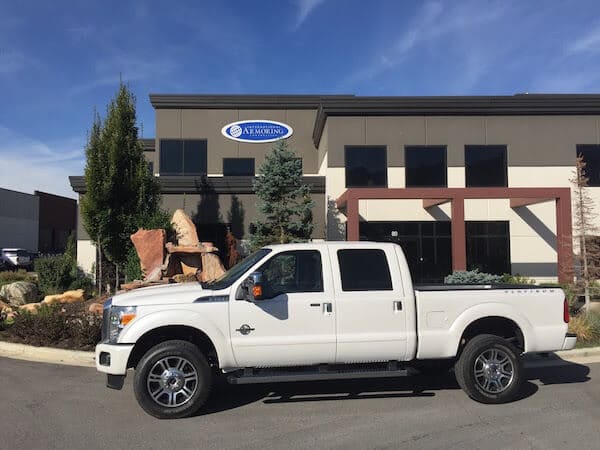
For an armored truck, the priorities should generally be:
Reliability → braking → cooling → tires → suspension → power delivery → specialized upgrades → additional horsepower.
Not the other way around.
Final Thoughts: Build for Reliability, Not Just Horsepower
The 6.7L Power Stroke has proven itself as a capable platform, but no diesel engine is immune to wear.
The best way to extend the life of a 2011–2019 truck isn’t to blindly replace every component that appears on an aftermarket parts list.
Start with the truck’s actual condition.
Understand how it is being used.
Protect the fuel and lubrication systems. Keep the cooling system healthy. Monitor the turbocharger and charge-air system. Pay attention to regeneration behavior. Address warning signs before they become failures.
Then consider upgrades selectively.
A CP3 conversion may make sense for one truck. A turbocharger replacement may make sense for another. A carefully selected calibration may improve the driving experience. A cooling upgrade may be justified for a truck that regularly operates under extreme loads.
But none of those modifications should be considered automatically necessary for every Power Stroke.
The smartest build is the one that solves a real problem without creating three new ones.
And when a 6.7L Power Stroke becomes the foundation for an armored or security vehicle, that philosophy becomes even more important.
Armoring isn’t simply about adding ballistic protection. The vehicle still needs to accelerate, stop, cool itself, carry its occupants, handle its additional workload, and get them where they need to go.
In that environment, reliability isn’t just about avoiding a repair bill.
It’s part of the security strategy.
For more information about armored vehicles, ballistic protection, and specialized vehicle solutions, visit Armormax.com.