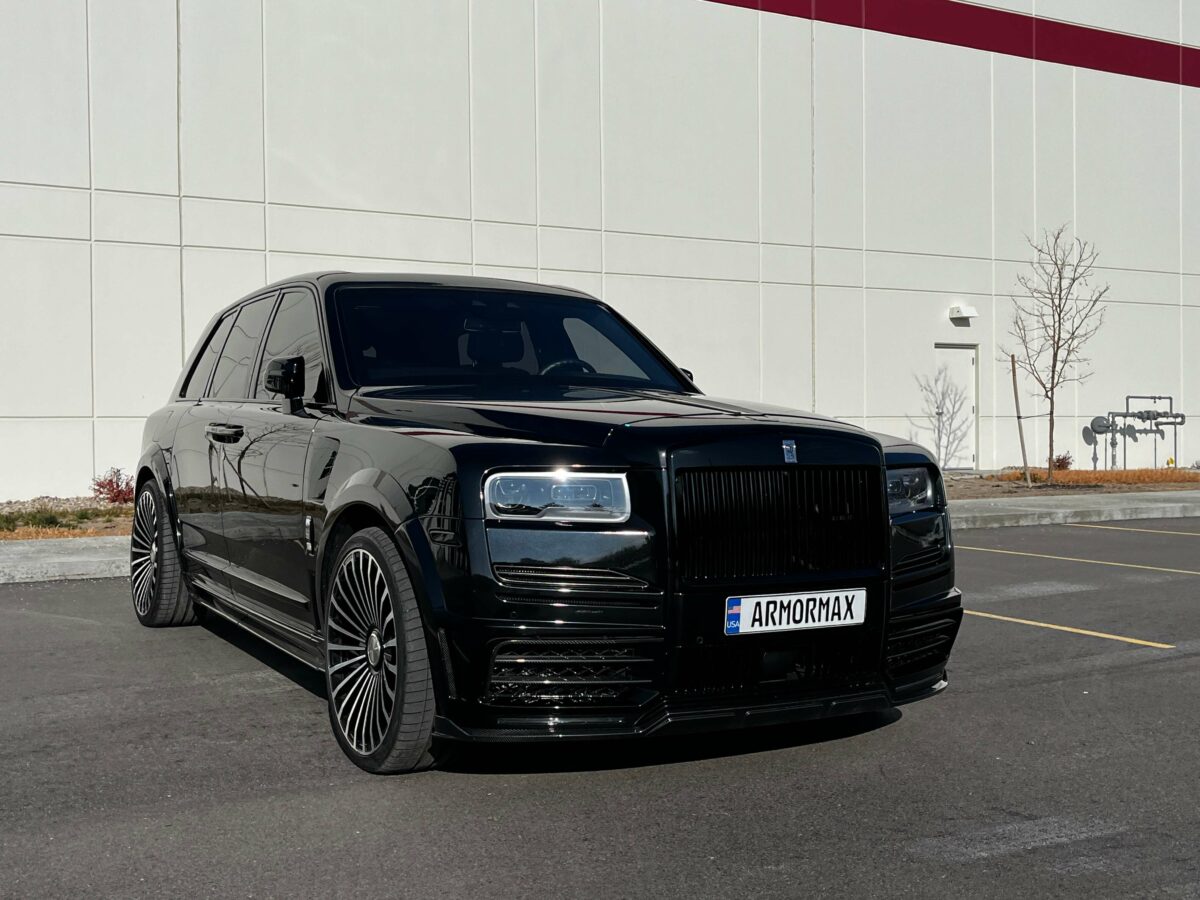
“The safest vehicle isn’t always the one with the highest crash-test score. Sometimes it’s the one that’s prepared for the dangers nobody expects.”
Picture this.
You’re driving home after a long day at work. The radio is playing softly, traffic is moving at a comfortable pace, and you’re already thinking about dinner waiting at home. It’s a drive you’ve made hundreds of times before. Familiar roads. Familiar intersections. Nothing out of the ordinary.
Then, in a split second, everything changes.
A speeding SUV barrels through a red light.
You slam on the brakes.
There’s nowhere to go.
Metal collides with metal. Airbags explode. Glass flies through the cabin. Time slows down, then suddenly speeds back up again.
When the dust settles, you climb out of your vehicle shaken, confused, and incredibly grateful to be alive.
Later, you learn something unexpected.
The other driver didn’t have insurance.
Or maybe the vehicle was stolen.
Perhaps the driver was fleeing police, distracted by a phone, impaired, or simply reckless.
At that moment, none of those details matter. What matters is that your life changed because someone else made a terrible decision.
Unfortunately, stories like this happen every day across the world.
While vehicle manufacturers have made incredible advances in crash protection over the last several decades, the roads themselves have become increasingly unpredictable. Distracted driving, organized vehicle theft, road rage, sophisticated criminal activity, and growing urban congestion have created risks that traditional safety ratings were never designed to measure.
That’s why it’s worth asking an uncomfortable question:
Are we measuring vehicle safety the right way?
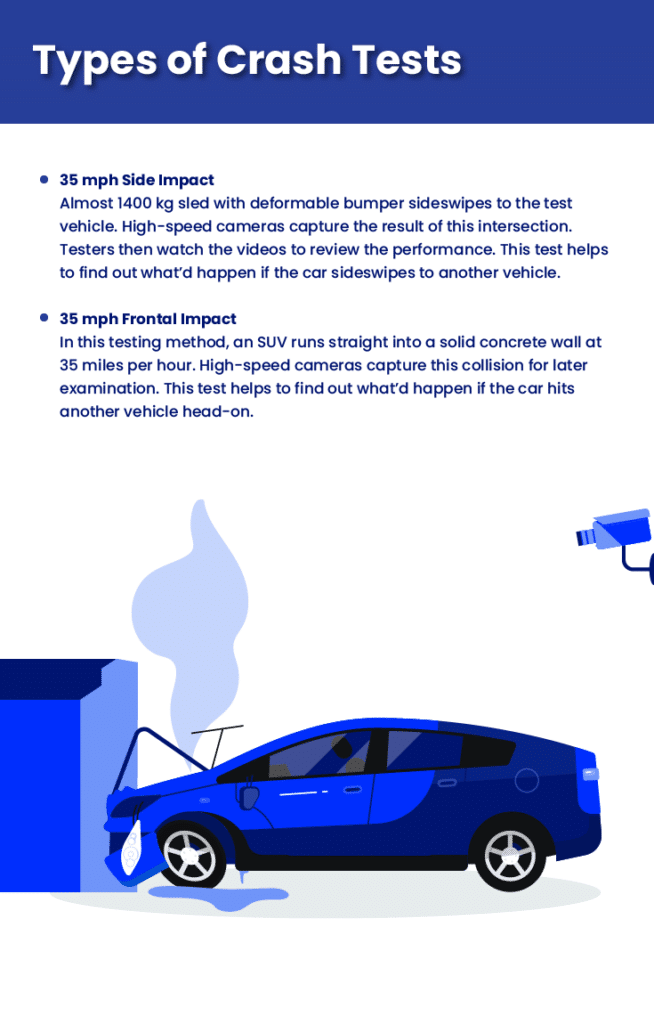
The Crash Test Is Only the Beginning
Walk into any dealership, and you’ll hear plenty about safety ratings.
Five-star crash tests.
Top Safety Pick awards.
Automatic emergency braking.
Blind-spot monitoring.
Lane-keeping assistance.
Adaptive cruise control.
These features matter. In fact, modern vehicles are dramatically safer than the cars our parents drove. Engineers deserve enormous credit for reducing fatalities through better design, stronger passenger compartments, smarter airbags, and advanced electronics.
But every crash test has one important limitation.
It takes place inside a laboratory.
The vehicle knows exactly how it’s going to be hit.
Engineers know the speed.
They know the angle.
They know the weight of the impact.
They know almost everything.
Real life doesn’t offer that luxury.
A delivery truck drifting across the center line doesn’t check the testing protocol first.
A distracted driver scrolling through social media doesn’t wait until you’re perfectly positioned.
A criminal attempting a carjacking certainly isn’t following laboratory procedures.
The real world is messy, unpredictable, and chaotic.
And that’s exactly why true vehicle protection involves much more than surviving a standardized crash test.
The Difference Between Safety and Security
Here’s something most people never think about.
Safety and security aren’t the same thing.
Safety protects you from accidents.
Security protects you from intentional threats.
Most vehicle manufacturers spend billions improving safety. That’s understandable because accidents remain one of the leading causes of injury worldwide.
But intentional threats have changed dramatically over the past twenty years.
Vehicle theft has become increasingly sophisticated.
Organized criminal groups use electronic relay attacks to unlock modern vehicles in seconds.
Luxury SUVs are targeted for export.
Carjackings remain a concern in many metropolitan areas.
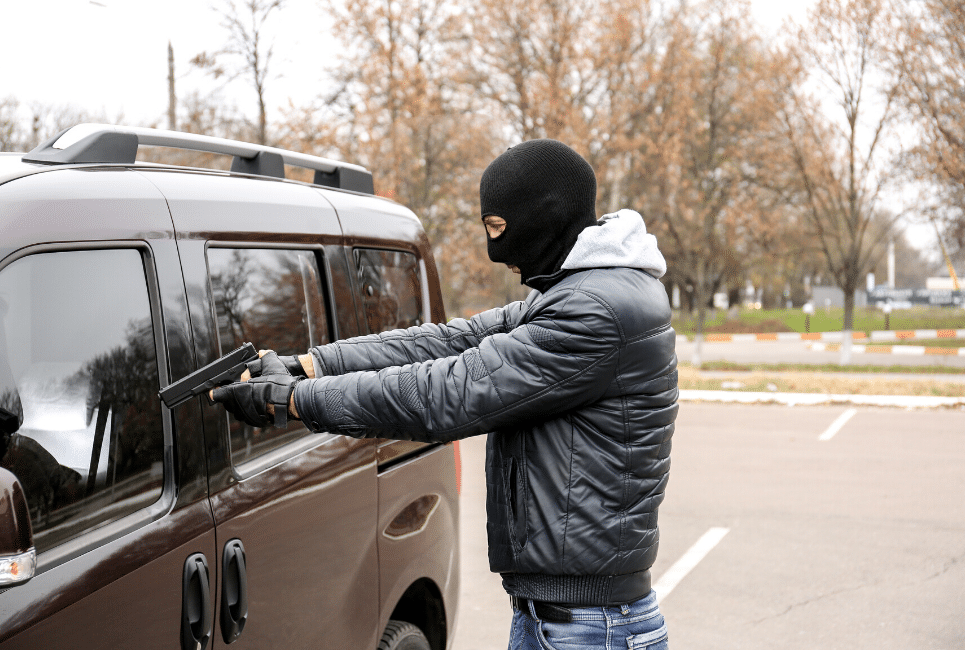
Civil unrest can unexpectedly place motorists in dangerous situations.
Road-rage incidents occasionally escalate far beyond shouting matches.
These aren’t hypothetical scenarios. They’re real events that make headlines every week somewhere in the world.
Traditional crash tests don’t measure any of them.
That doesn’t make crash tests unimportant—it simply means they answer only one part of a much larger question.
The better question is this:
How well will your vehicle protect you when life refuses to follow the script?
Modern Vehicles Are Smarter Than Ever
There’s no denying how impressive today’s vehicles have become.
Many can detect obstacles before the driver notices them.
Some automatically apply the brakes.
Others gently steer back into the lane if you drift.
Blind-spot monitoring has prevented countless lane-change collisions.
Rear cross-traffic alerts help drivers avoid backing into moving vehicles.
Electronic stability control has dramatically reduced rollover accidents.
These innovations save lives every single day.
But technology has also created a false sense of confidence.
Drivers sometimes begin believing the vehicle can compensate for poor decisions.
It can’t.
Physics still wins.
Rain still reduces traction.
Ice still makes roads slippery.
Distraction still delays reaction time.
Technology should always assist good driving—not replace it.
Why Bigger Doesn’t Automatically Mean Better
Many families choose SUVs because they feel safer.
In many situations, that’s true.
The additional size, stronger structure, and increased ride height often provide advantages during certain types of collisions.
But bigger vehicles introduce new challenges.
They require longer stopping distances.
They weigh substantially more.
Their higher center of gravity can increase rollover potential during sudden evasive maneuvers.
Again, this isn’t a flaw.
It’s simply physics.
Every vehicle is a series of engineering compromises.
The goal isn’t finding a perfect vehicle.
The goal is to understand which compromises best match your lifestyle and risks. Armored vehicles can not only provide protection against car jackings and robberies but can be much safer in the event of a car accient.
When Safety Isn’t Enough
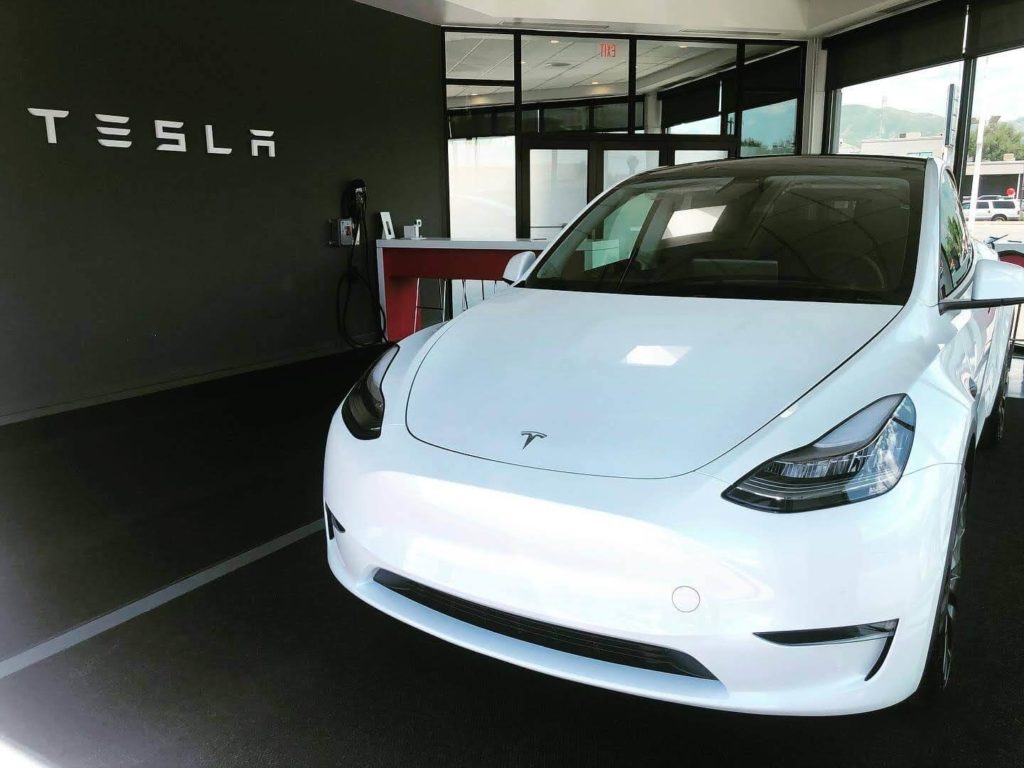
Imagine two identical SUVs sitting side by side in a parking lot.
Both earned excellent crash-test ratings.
Both include advanced driver-assistance technology.
Both have outstanding reliability records.
From the outside, they appear equally capable.
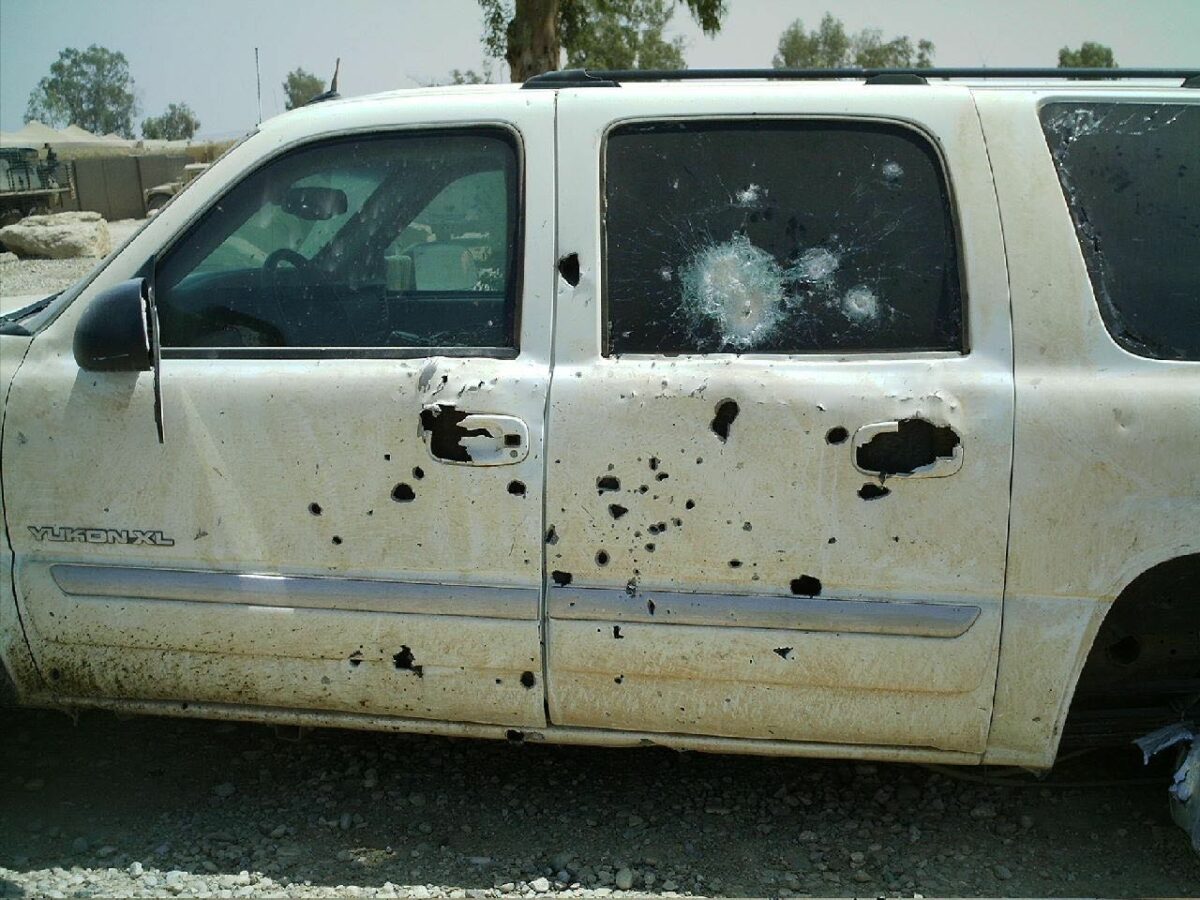
But one has been professionally armored.
Its doors contain ballistic steel.
Its windows are multi-layer ballistic glass.
Its suspension has been upgraded to support additional weight.
Run-flat tire systems allow continued driving after tire damage.
Critical areas have been reinforced to protect occupants during targeted attacks.
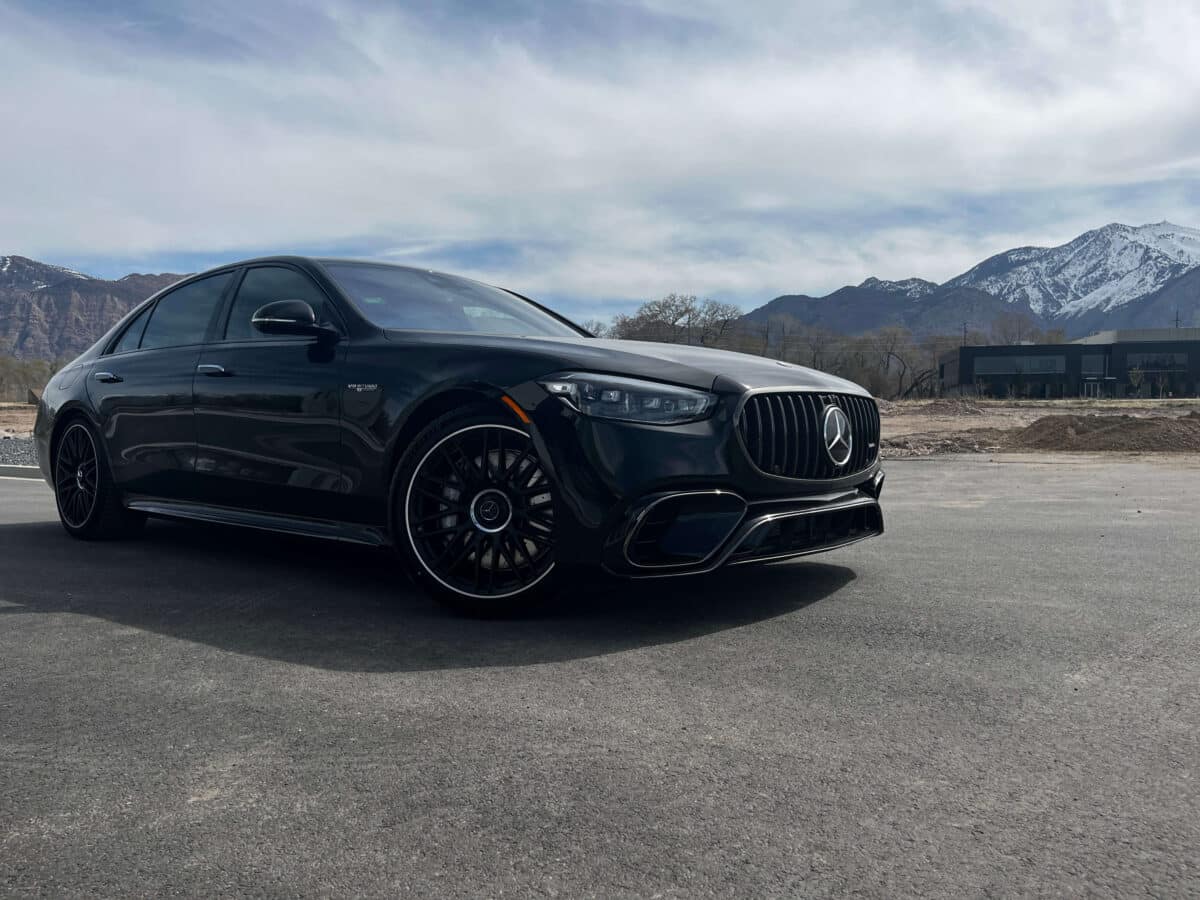
To the average observer, the vehicles look nearly identical.
Underneath the paint, however, they’re built for two completely different worlds.
One was designed primarily for accidents.
The other was designed for accidents and intentional violence.
That distinction has become increasingly relevant in today’s world.
Asset investigation becomes important in these situations. Some uninsured drivers do possess recoverable assets like real estate, vehicles, or bank accounts that could satisfy a judgment. Fort Lauderdale auto accident attorneys can assess whether pursuing litigation makes financial sense based on the at-fault driver’s resources and the severity of your injuries.
Bulletproof Cars: More Than Hollywood
The phrase “bulletproof car” tends to conjure dramatic movie scenes.
A government motorcade.
A presidential limousine.
An action film chase through crowded city streets.
The reality is much less glamorous—and much more practical.
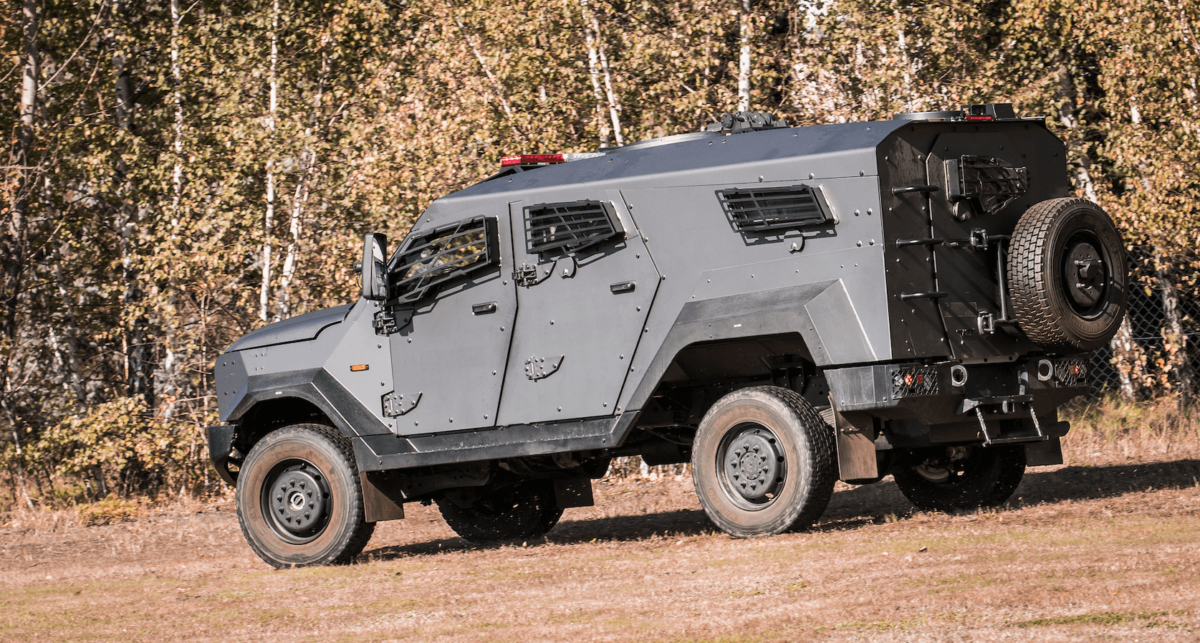
Today’s armored vehicles are used by business executives, humanitarian organizations, diplomats, journalists, medical professionals, security teams, families living in higher-risk regions, and individuals who simply want an additional layer of protection.
Most people would never notice them.
Modern armoring is designed to preserve the appearance and functionality of the original vehicle while dramatically increasing occupant protection.
It’s not about looking intimidating.
It’s about buying time when every second counts.
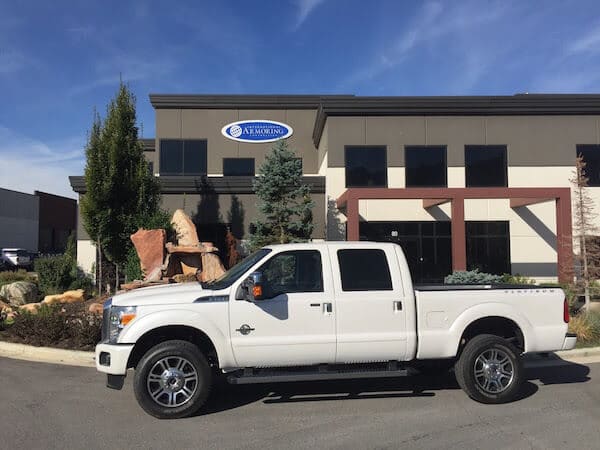
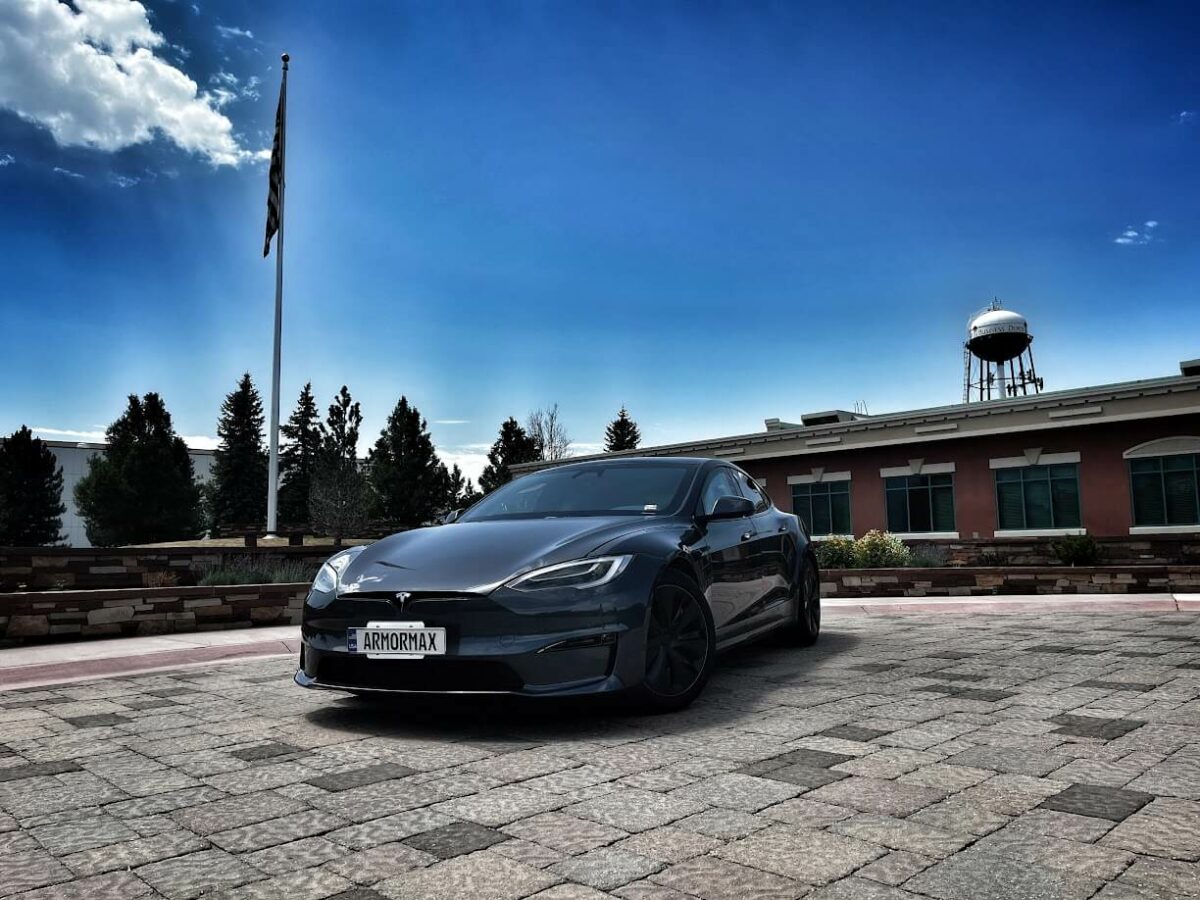
Looking for more information on transforming your vehicle into a bulletproof car? Reach out to Armormax here or by calling them at 1-801-393-1075.