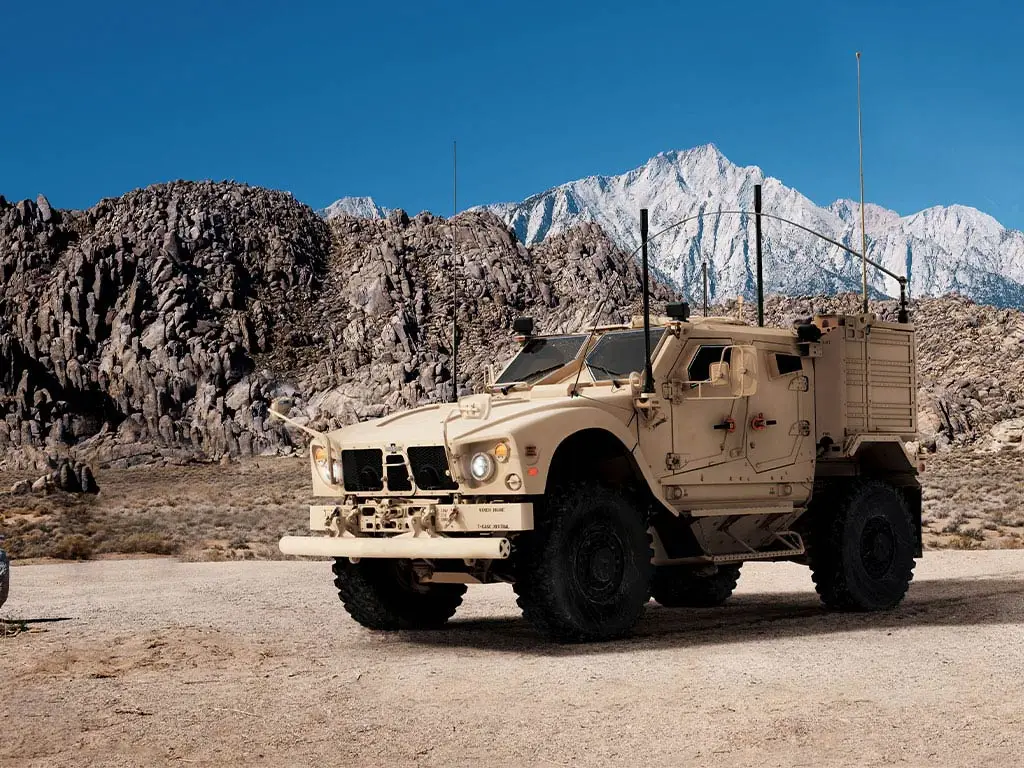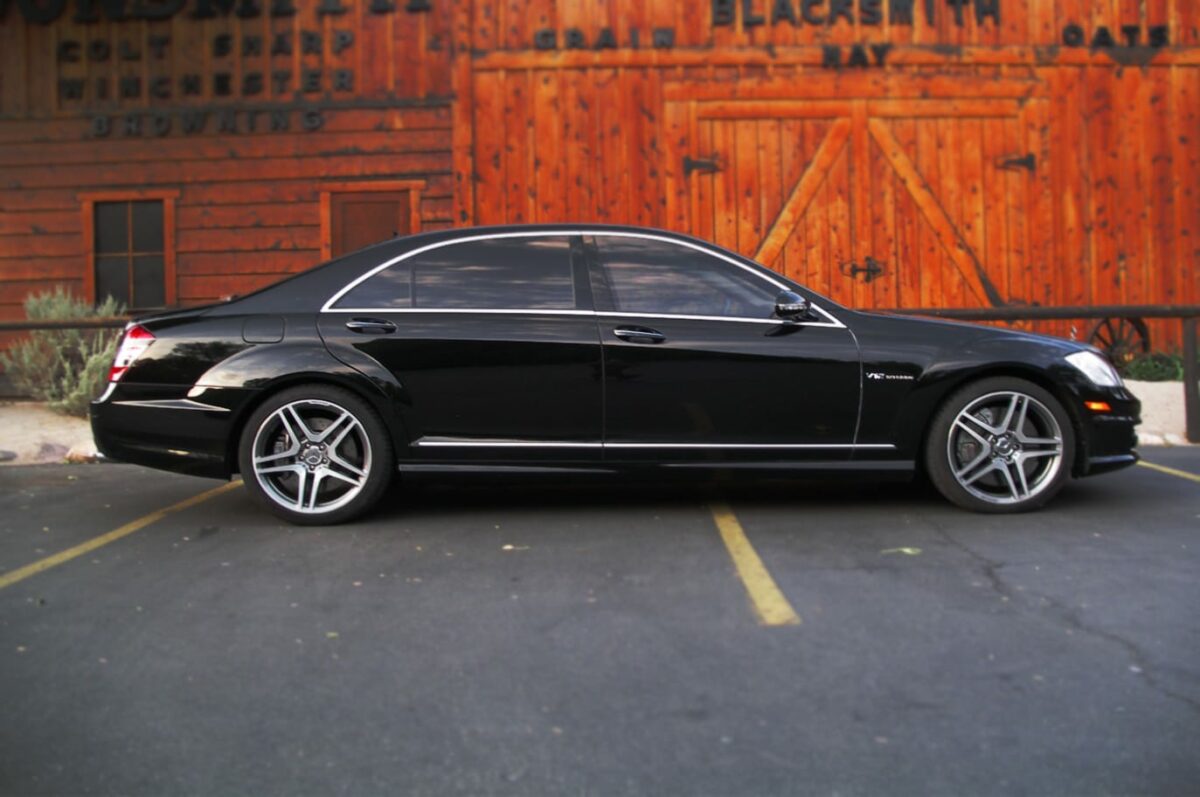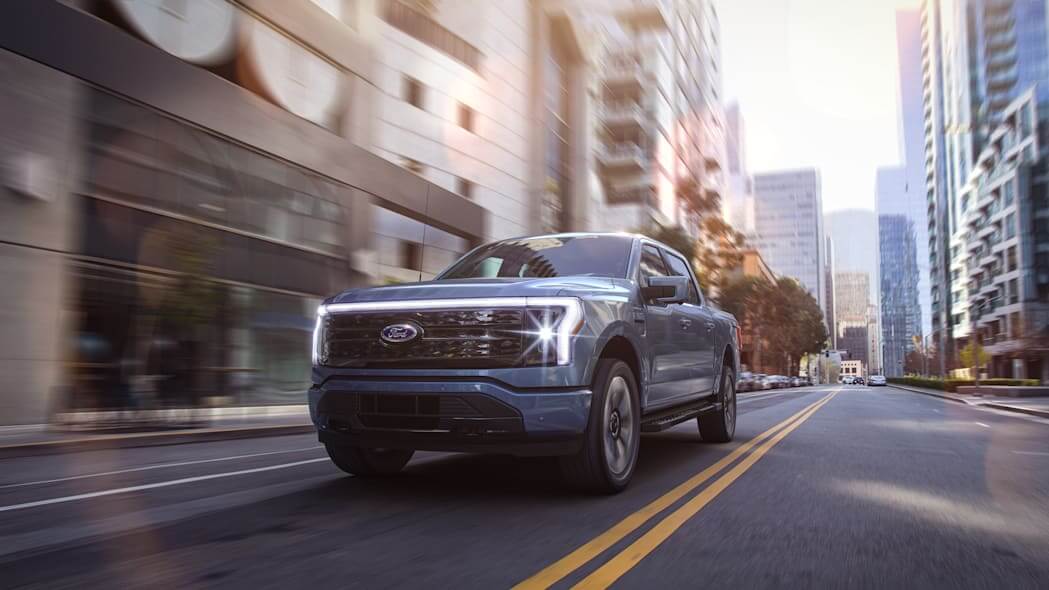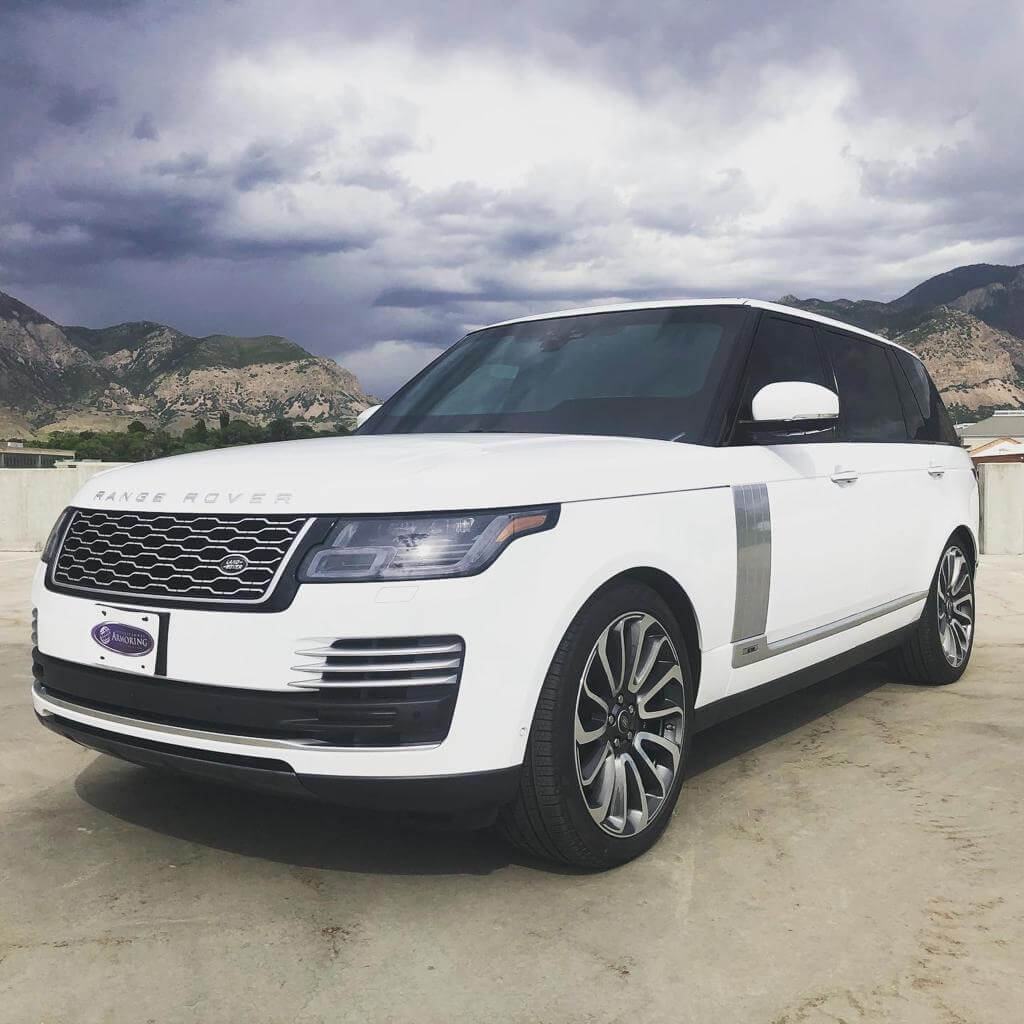
TL;DR: Ford F-550 armored trucks dominate entry-level CIT operations with 7,000-10,000 lbs effective payload after B4 armoring. Protection level selection (NIJ Level III vs IV) creates a $30,000-80,000 cost differential that can directly impact insurance premiums and operational flexibility. Fleet managers should calculate the total cost of ownership over 5 years—including the 10-20% fuel economy approximate cost and accelerated brake maintenance every 25,000 miles—rather than focusing solely on acquisition price.
Based on our analysis of manufacturer specifications from , Internationaltrucks, Freightliner, and Mbvans, combined with technical documentation from armoring specialists (like Armormax) we’ve identified the critical specifications and cost factors that separate viable CIT platforms from unsuitable alternatives.
What Makes an Armored Truck Suitable for Cash Transport?
Cash-in-transit vehicles must satisfy four non-negotiable requirements: ballistic protection certification, sufficient payload capacity after armoring, regulatory compliance for commercial operation, and insurance underwriting approval. According to the , protection levels range from Level III (handgun threats including.44 Magnum) to Level IV (rifle threats including 7.62mm NATO), with most insurers requiring minimum Level III certification for urban CIT operations.
Payload capacity calculations determine operational viability. documents that B4 protection adds 1,800-2,200 lbs to vehicle weight, while B6 protection adds 2,800-3,500 lbs. A Ford F-550 with 12,750 lbs stock payload capacity retains only 8,000-10,000 lbs effective capacity after B4 armoring—sufficient for typical cash transport routes but inadequate for high-volume coin transport requiring 8,000-10,000 lbs concentrated floor loading.
The mandates Commercial Driver’s License Class B for vehicles exceeding 26,001 lbs GVWR. This threshold separates entry-level platforms (F-550, Sprinter) from mid-tier options (International DuraStar, Freightliner M2) that require CDL-licensed crews.
State licensing requirements vary significantly:
| State | License Type | Minimum Insurance | Key Requirement |
|---|---|---|---|
| California | Private Patrol Operator | $1,000,000 per vehicle | BSIS registration |
| Texas | Private Security Bureau | Flexible based on scope | PSB verification |
| Florida | Class A Security Agency | Case-by-case determination | FDACS licensing |
| New York | Security Guard Company | $1,000,000 general liability | DOS registration |
| Illinois | Private Detective Agency | $1,000,000 per occurrence | IDFPR licensing |
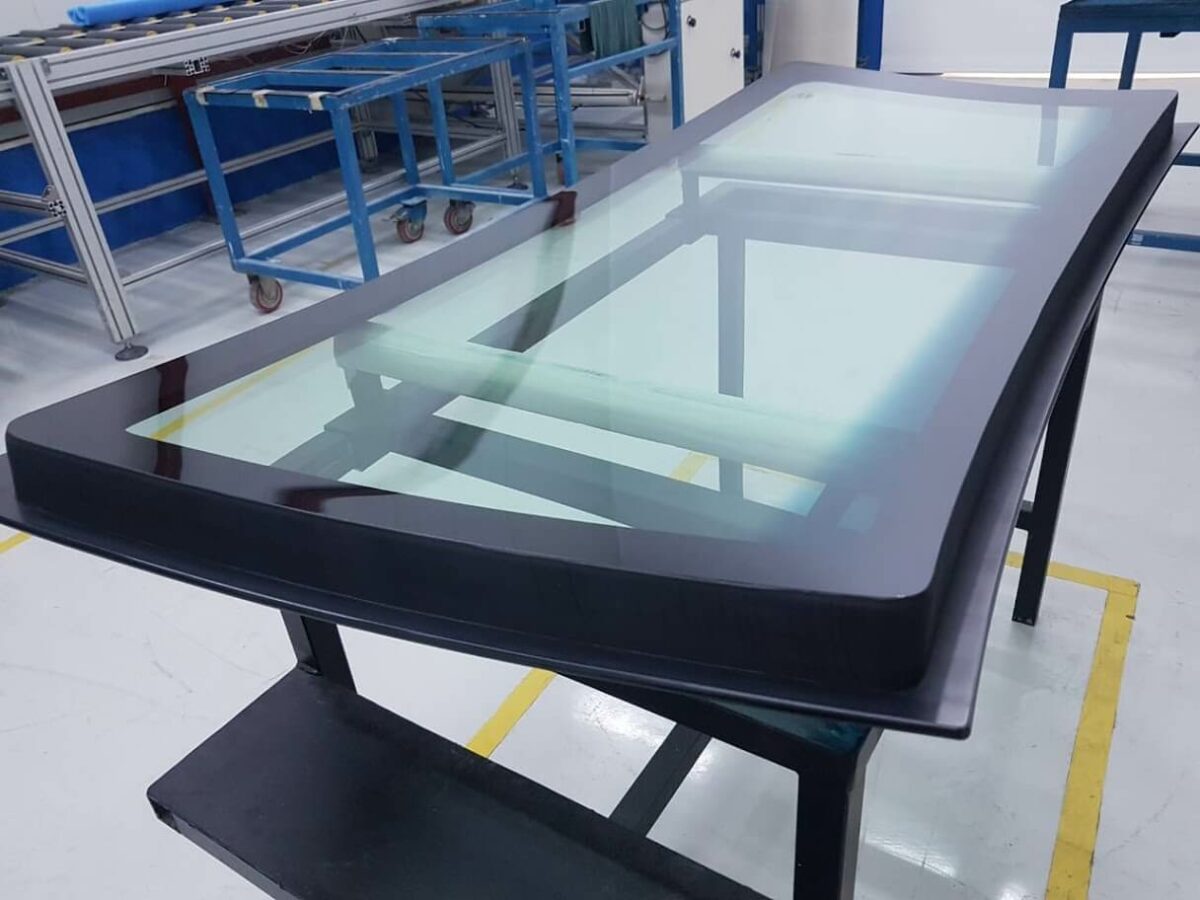
represent essential safety equipment, allowing 50-100 miles continued operation after tire puncture or ballistic damage. Armoring companies emphasizes that armor weight requires comprehensive chassis modifications, including heavy-duty suspension components, upgraded brake systems with increased thermal capacity, and often dual rear wheel configurations to maintain stability.
Key Takeaway: Viable CIT trucks must balance NIJ Level III+ protection, 8,000+ lbs effective payload after armoring, DOT/state licensing compliance, and chassis modifications to handle 2,000-4,000 lbs additional armor weight. This could include any storage, additional armor, and persons inside the vehicle.
How to Calculate Your Vehicle Requirements
Before evaluating specific platforms, determine your operational requirements through a systematic assessment framework. Route volume, cargo type, and geographic density dictate which vehicle platform serves your operation effectively.
Step 1: Assess Your Typical Payload Needs
Calculate average cargo weight per route:
- Standard cash transport (mixed denominations): 2,000-4,000 lbs
- High-volume retail routes: 4,000-8,000 lbs
- Coin transport (concentrated weight): 8,000-12,000 lbs
- Multi-stop ATM servicing: 3,000-6,000 lbs
Step 2: Determine Required Protection Level
Evaluate threat environment and insurance mandates:
- Urban/suburban handgun threats → B4 protection adequate
- High-value routes ($750,000+) → Insurer may mandate B6
- Rural areas with rifle threats → B6 protection necessary
- Government/diplomatic contracts → May require B7
Step 3: Calculate Effective Payload Capacity
Subtract armor weight from stock payload:
- B4 armoring: Stock payload – 2,000 lbs = Effective capacity
- B6 armoring: Stock payload – 3,000 lbs = Effective capacity
- B7 armoring: Stock payload – 4,500 lbs = Effective capacity
Step 4: Match Platform to Requirements
Decision tree based on effective payload possible needs:
- Under 5,000 lbs: Mercedes Sprinter (B4-B6)
- 5,000-10,000 lbs: Ford F-550 or Ram 5500 (B4-B6)
- 10,000-18,000 lbs: International DuraStar (B4-B6)
- Over 18,000 lbs: Freightliner M2 106 (B4-B7)
Step 5: Verify CDL Requirements
Check if platform exceeds 26,001 lbs GVWR:
- Under 26,001 lbs → Standard license sufficient
- Over 26,001 lbs → CDL Class B required ($200-600 per driver)
Key Takeaway: Match vehicle selection to cargo weight requirements plus 20% buffer capacity. For routes averaging 6,000 lbs cargo, select platforms with 7,200+ lbs effective payload after armoring.
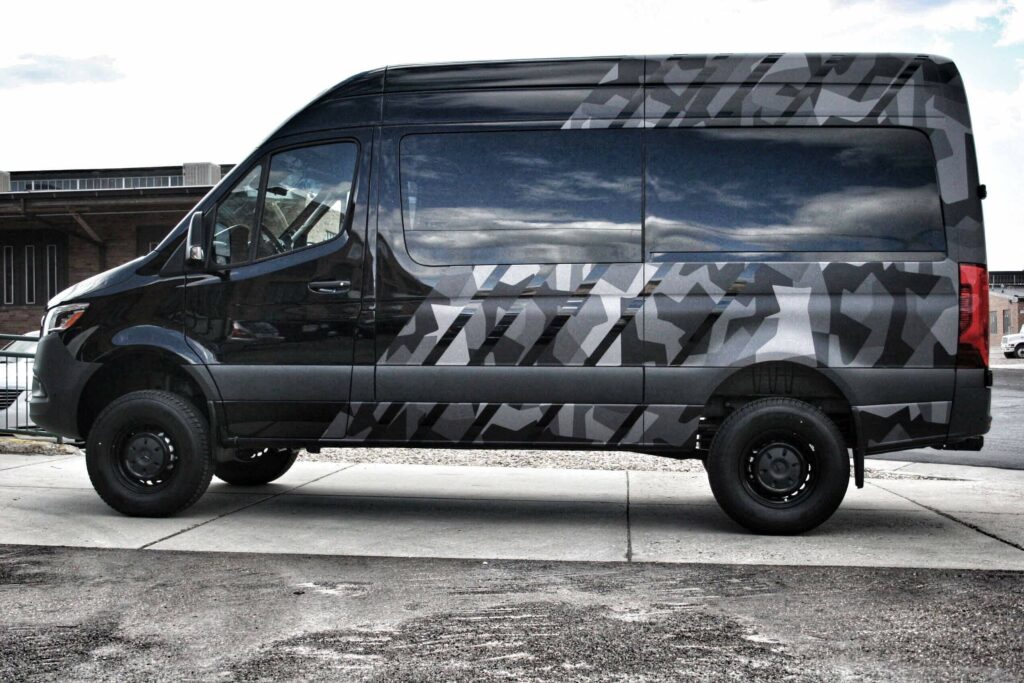
Top 5 Armored Trucks for Cash Transport (2026)
The following comparison evaluates specific vehicle platforms based on protection capability, payload capacity, regulatory requirements, and total cost of ownership. Pricing estimates reflect industry discussions but require direct manufacturer quotes.
| Vehicle Platform | GVWR | Effective Payload (B4) | Protection Level | Est. Total Cost | CDL Required |
|---|---|---|---|---|---|
| Ford F-550 | 19,500 lbs | 8,000-10,000 lbs | B4-B6 | $135,000-185,000 | No |
| International DuraStar | 25,950-33,000 lbs | 15,000-18,000 lbs | B4-B6 | $180,000-250,000 | Yes (Class B) |
| Freightliner M2 106 | 26,000-66,000 lbs | 18,000-25,000 lbs | B4-B7 | $200,000-300,000 | Yes (Class B) |
| Mercedes Sprinter 3500 | 11,030 lbs | 3,000-4,000 lbs | B4 | $110,000-145,000 | No |
| Ram 5500 | 19,500 lbs | 7,800-9,800 lbs | B4-B6 | $130,000-180,000 | No |
Ford F-550 Armored (B4 Protection)
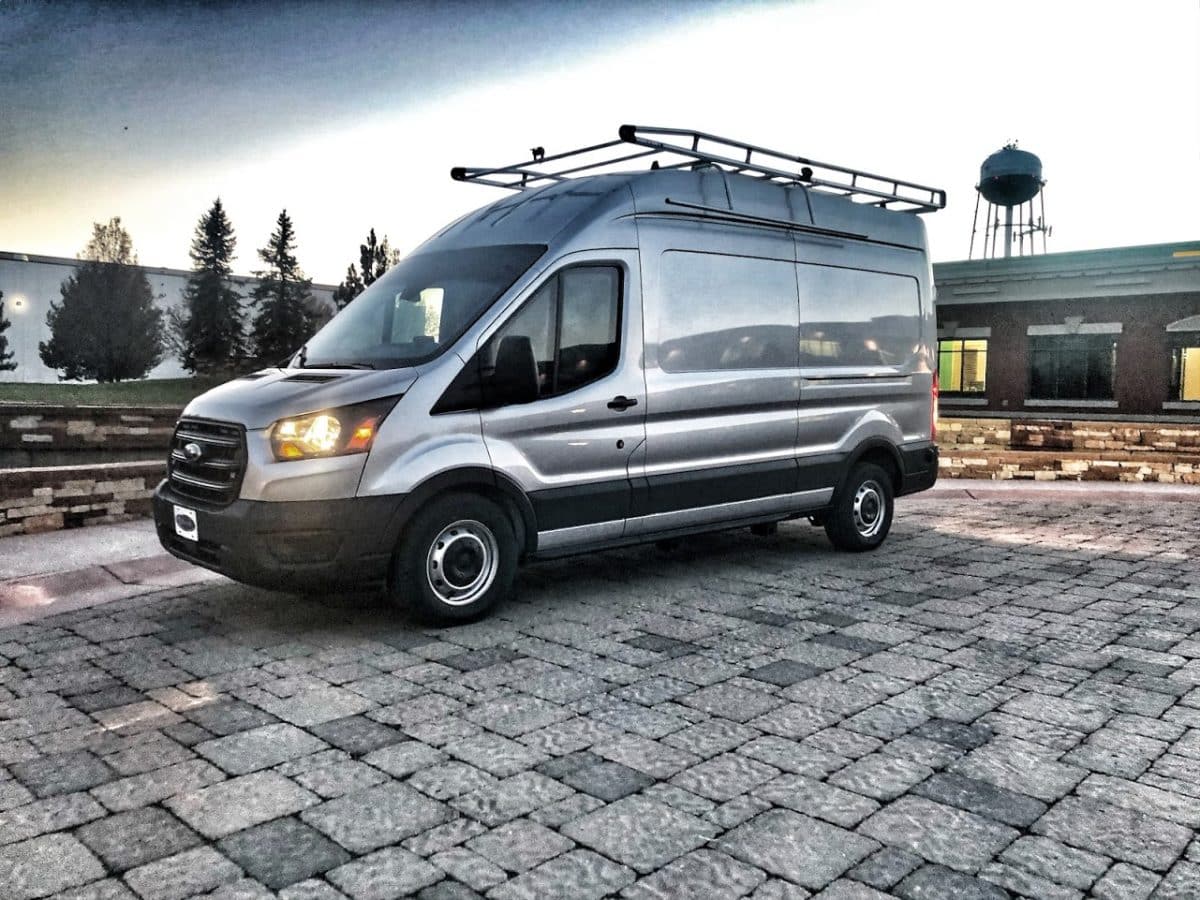
The Ford F-550 Super Duty dominates entry-level CIT operations with 19,500 lbs GVWR and up to 12,750 lbs stock payload capacity. After B4 armoring adds approximately 2,000 lbs, effective payload remains 8,000-10,000 lbs—sufficient for typical urban cash transport routes serving 6-8 stops per shift. The 6.7L Power Stroke diesel engine provides adequate power for armor weight, though documents fuel economy drops from 14 MPG stock to 10-11 MPG when armored, representing a 25-30% efficiency penalty.
Base vehicle cost ranges $65,000-95,000 depending on configuration, with B4 armoring adding an estimated $50,000-70,000 for total acquisition cost of $135,000-165,000. B6 protection increases armoring cost to $80,000-100,000, pushing total investment to $165,000-195,000. The F-550’s 19,500 lbs GVWR keeps it below the 26,001 lbs CDL threshold, reducing crew licensing requirements and associated training costs of $200-600 per driver.
Wheelbase options from 169″ to 193″ allow customization for different cargo configurations. Standard CIT configurations with secure compartments and cash handling equipment add $5,000-10,000. Specialized configurations for coin transport require reinforced flooring rated for 8,000-10,000 lbs concentrated weight, adding $8,000-15,000 to customization costs.
Maintenance considerations include requiring service every 25,000 miles versus 50,000+ miles for stock trucks. Each brake service costs $800-1,200, effectively doubling annual brake maintenance expenses. estimates overall maintenance costs run 30-40% higher than standard commercial vehicles due to increased wear on suspension bushings and drivetrain components.
International DuraStar Armored (B6 Protection)
The Internationaltrucks serves mid-tier high-volume operations with GVWR configurations from 25,950 to 33,000 lbs. Stock payload capacity exceeds 20,000 lbs, retaining 15,000-18,000 lbs effective capacity after B6 armoring adds 2,800-3,500 lbs. This capacity supports high-volume routes, bulk coin transport, or consolidated multi-stop operations requiring larger cash reserves.
All DuraStar configurations exceed 26,001 lbs GVWR, mandating for all crew members. CDL acquisition costs $200-600 per driver, with adding $75-150 every two years. For a three-person crew, initial licensing costs reach $600-1,800, with ongoing medical certification running $225-450 biennially.
Base vehicle pricing ranges $95,000-120,000 depending on engine option (Cummins B6.7 or International A26) and wheelbase configuration. B6 armoring adds an estimated $80,000-100,000, bringing total acquisition cost to $175,000-220,000. The higher protection level satisfies insurance requirements for high-risk routes or elevated threat environments where rifle protection becomes necessary.
Fuel economy averages 8-10 MPG stock, dropping to 6-8 MPG when armored per fuel penalty calculations. At 15,000 annual miles and $3.50/gallon diesel, the 2-3 MPG reduction costs approximately $2,600-3,900 annually in additional fuel compared to stock configuration. This ongoing operational cost must factor into total cost of ownership calculations.
Freightliner M2 106 Armored
The Freightliner M2 106 targets heavy-duty large-scale operations with GVWR configurations from 26,000 to 66,000 lbs. This platform handles specialized applications including armored bulk cash transport, high-security government contracts, or international operations requiring maximum protection levels up to B7 (armor-piercing rifle protection). Set-back and set-forward front axle configurations optimize weight distribution for different armor packages.
Base vehicle cost ranges $110,000-150,000 depending on GVWR rating and engine selection (Detroit DD5, DD8, or Cummins options). B6 armoring adds $90,000-120,000, while B7 protection can exceed $150,000 for total acquisition costs reaching $200,000-300,000. This investment level targets fleet operators with specialized high-value transport contracts justifying premium protection.
The M2 106’s versatility accommodates specialized configurations beyond standard CIT applications. Cannabis cash transport requires sealed compartments with carbon filtration for odor containment and real-time GPS tracking with geofencing capabilities, adding $5,000-12,000. ATM cassette transport requires rack systems with individually keyed compartments, adding $6,000-10,000.
All M2 106 configurations require CDL Class B minimum, with heavier GVWR ratings potentially requiring Class A licensing depending on trailer configurations. Maintenance costs scale with vehicle size, with brake service intervals remaining 25,000 miles but component costs running 50-75% higher than F-550 platforms due to heavy-duty specifications.
Mercedes-Benz Sprinter Armored from Armormax
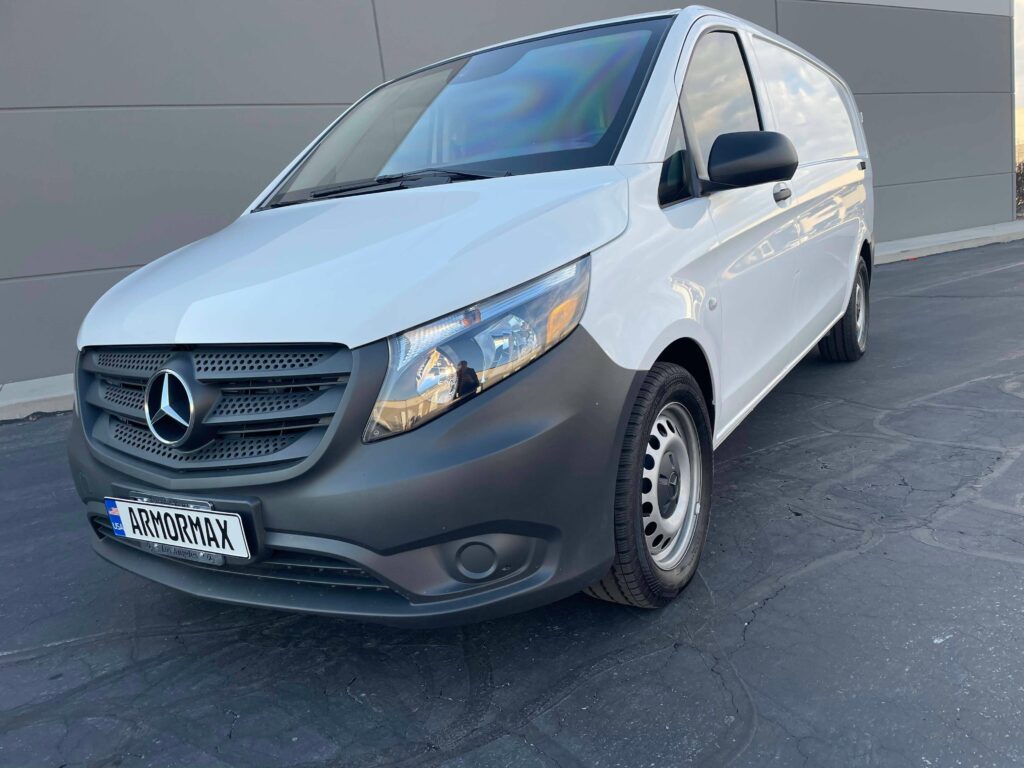
The Mbvans optimizes urban CIT operations where maneuverability outweighs payload capacity. With 11,030 lbs GVWR and 5,415 lbs stock payload, the Sprinter retains only 3,000-4,000 lbs effective capacity after B4 armoring—limiting applications to low-volume routes, ATM servicing, or high-frequency small-value pickups in congested downtown areas.
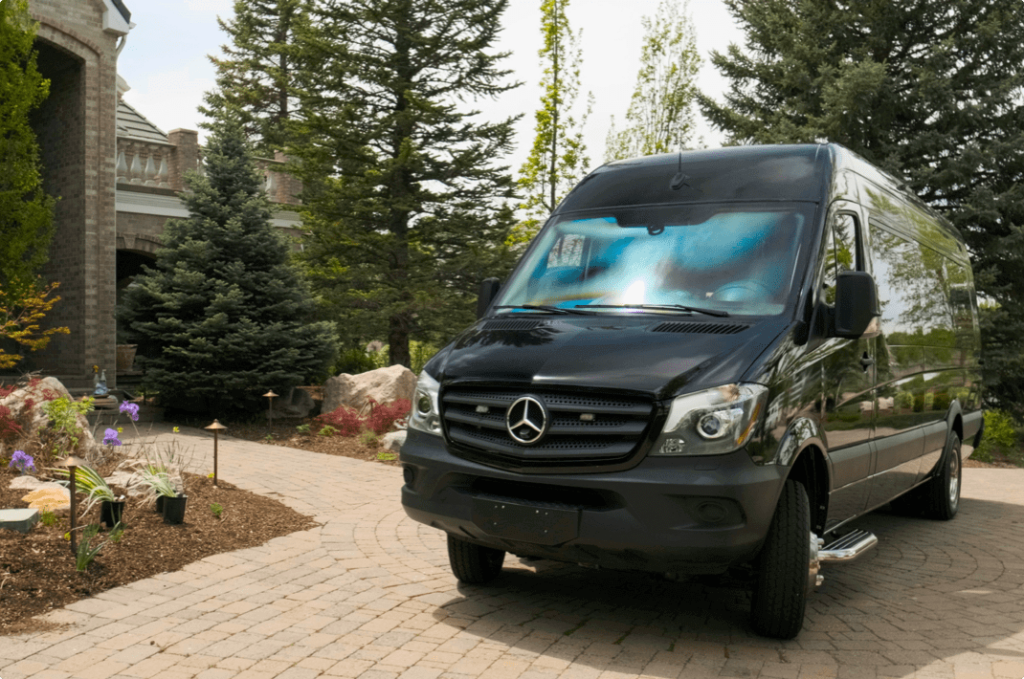
Base Sprinter 3500 pricing ranges $55,000-65,000, with B4 armoring adding $50,000-70,000 for total acquisition cost of $105,000-135,000. The lower payload capacity restricts B6 armoring options, as the additional 800-1,300 lbs would reduce effective payload below 2,000 lbs—insufficient for most CIT operations. Extended wheelbase and high roof configurations maximize interior volume for secure compartment installations within weight constraints.
The Sprinter’s 11,030 lbs GVWR avoids CDL requirements, reducing crew licensing costs. Fuel economy averages 18-20 MPG stock, dropping to 14-16 MPG when armored per calculations—better than larger platforms but still representing a 20-25% efficiency penalty. At 15,000 annual miles, the 3-4 MPG reduction costs approximately $1,600-2,100 annually in additional fuel.
The Sprinter’s compact 170″ wheelbase and tight turning radius excel in dense urban environments with 8-12 stops per shift at locations with limited parking or loading zones. The 233-319 cubic feet cargo volume (depending on roof height) accommodates efficient organization of cash handling equipment despite lower weight capacity. This platform serves operators prioritizing stop frequency over cargo volume, particularly for ATM cassette delivery requiring specialized rack systems but minimal payload.
Ram 5500 Armored
The Ram 5500 competes directly with the F-550 in the entry-level segment with 19,500 lbs GVWR and 12,370 lbs stock payload capacity. After B4 armoring adds approximately 2,000 lbs, effective payload reaches 7,800-9,800 lbs—slightly lower than the F-550 but adequate for standard cash transport routes serving 6-8 stops per shift.
The 6.7L Cummins turbo diesel delivers similar fuel economy to the F-550: 13-14 MPG stock dropping to 10-11 MPG armored. At 15,000 annual miles and $3.50/gallon diesel, expect approximately $4,800 annual fuel costs versus $3,200 for the unarmored configuration—a $1,600 penalty comparable to the F-550 platform.
The Ram 5500 stays under CDL thresholds at 19,500 lbs GVWR, matching the F-550’s crew hiring advantage. Wheelbase options from 144″ to 192″ provide configuration flexibility for different cargo applications. Maintenance costs follow similar patterns to the F-550 with 30-40% increases over stock vehicles due to armor weight impact on brakes and suspension.
Base vehicle pricing typically runs $82,000-88,000 for chassis cab configuration—approximately $3,000-5,000 lower than equivalent F-550 configurations. B4 armoring adds an estimated $48,000-60,000, reaching $130,000-148,000 total acquisition cost. B6 protection increases armoring costs to $75,000-95,000, pushing total investment to $157,000-183,000. These modest savings matter for multi-vehicle fleet purchases where $3,000-5,000 per unit compounds across 5-10 vehicles.
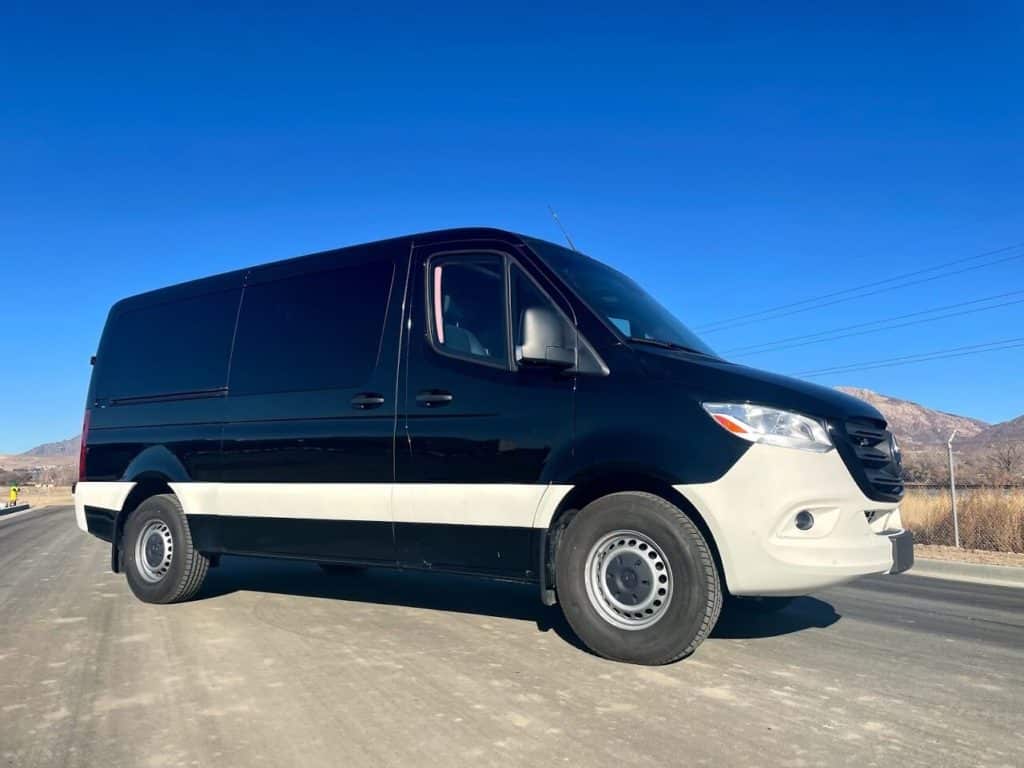
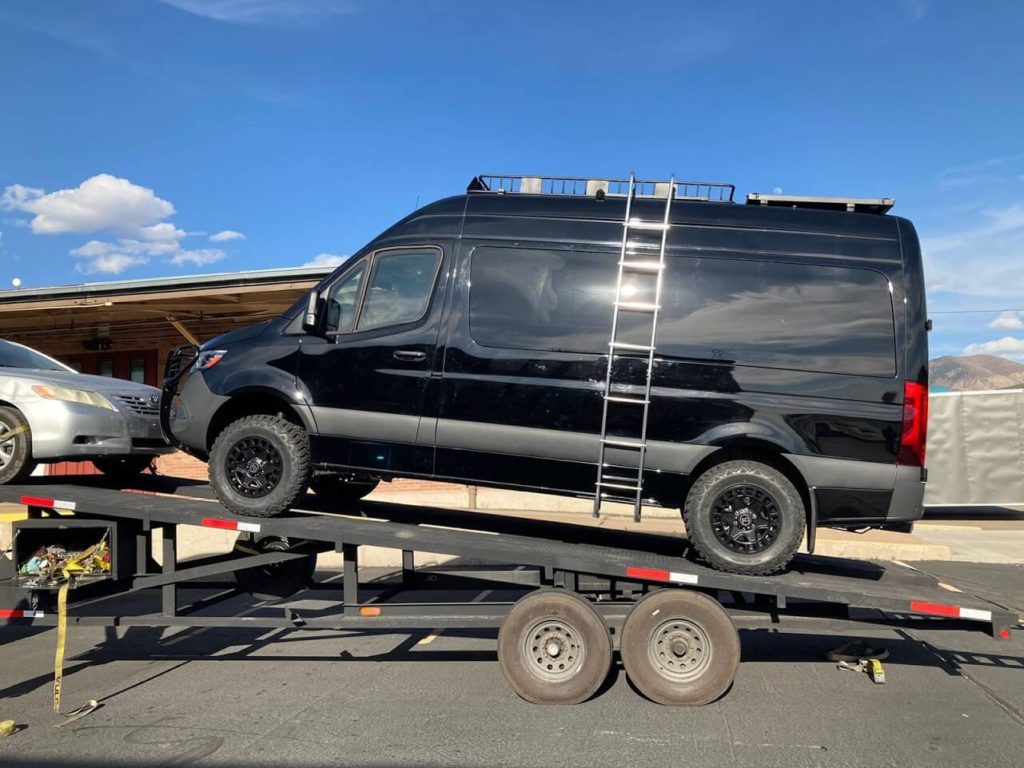
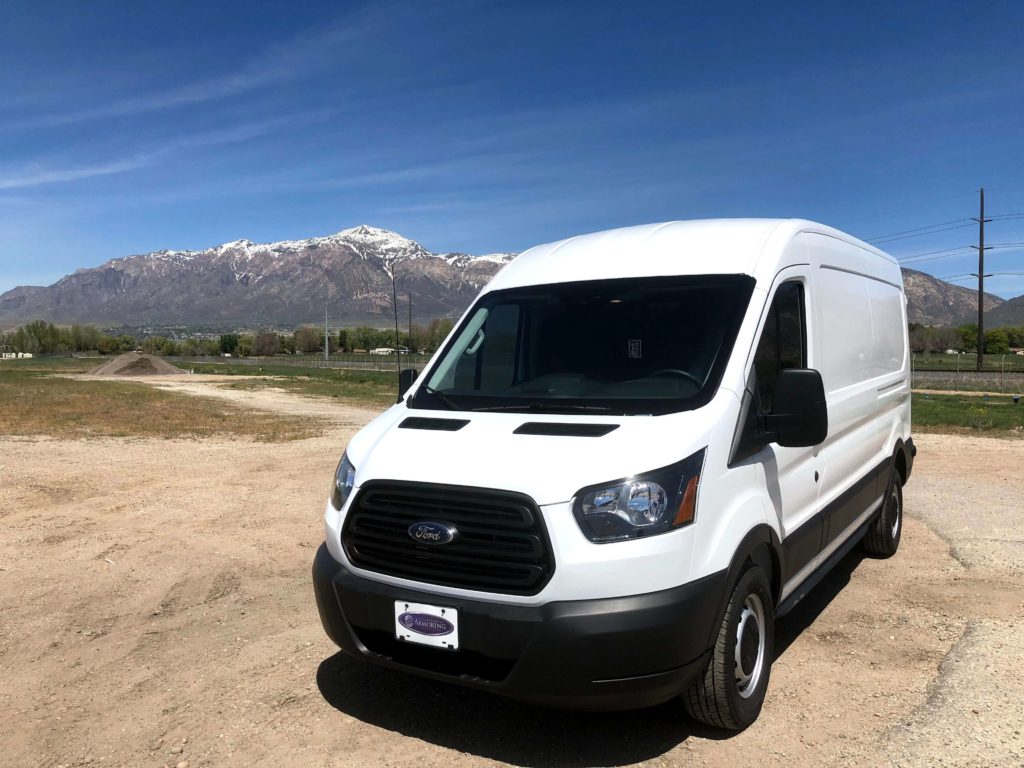
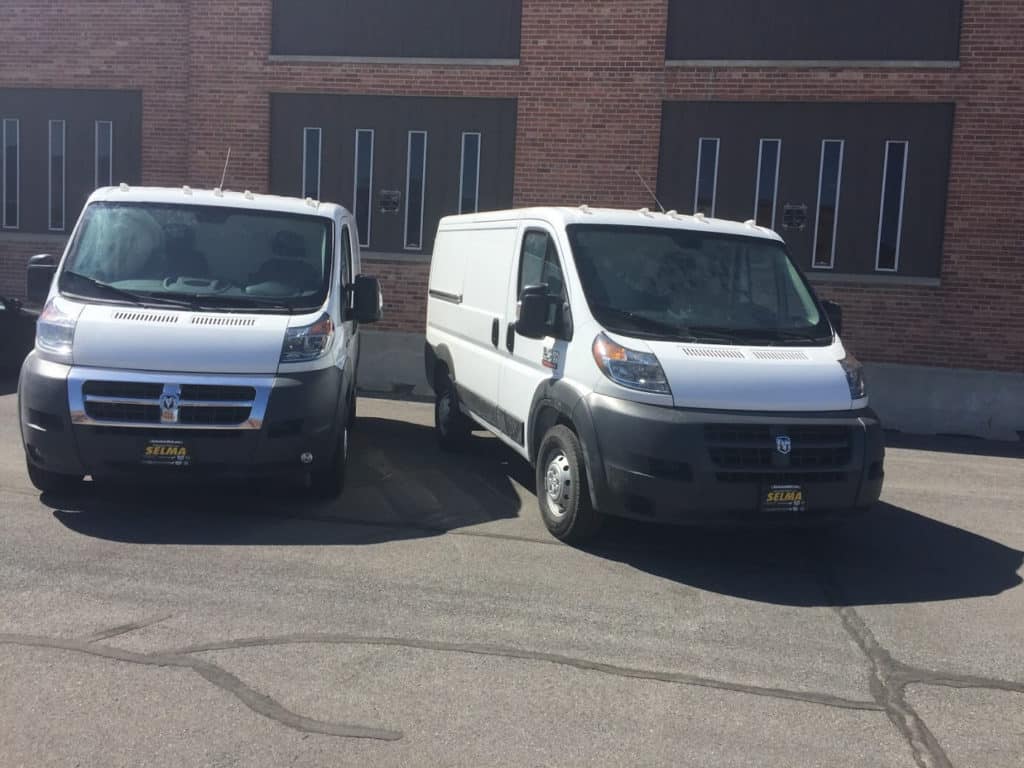
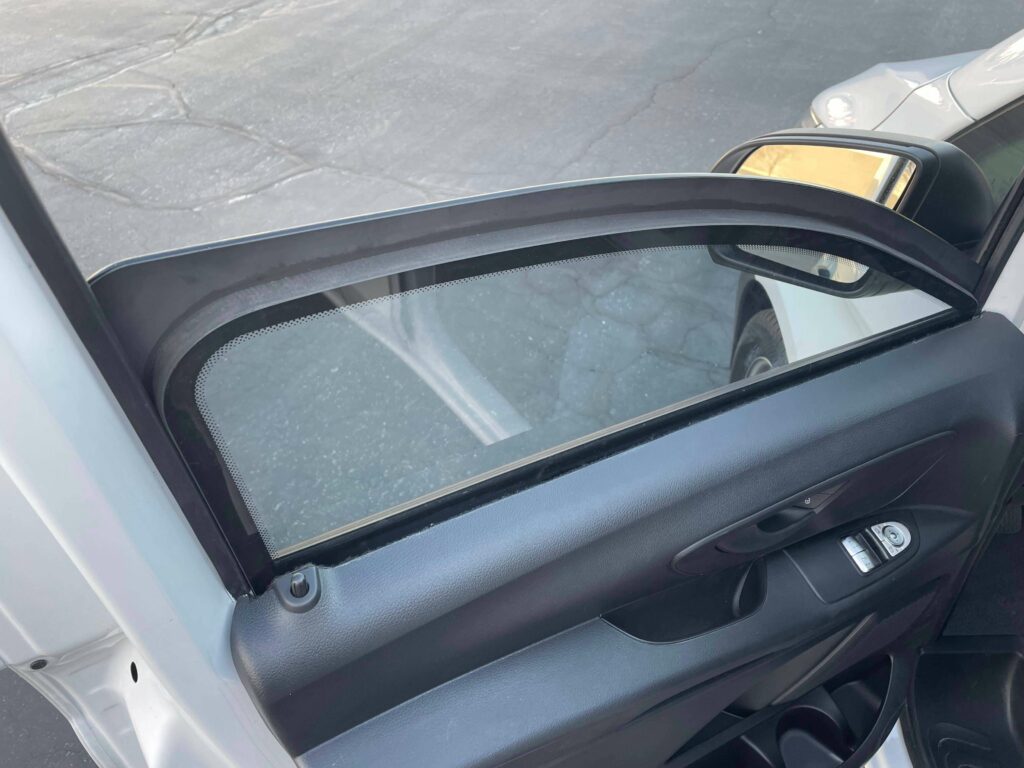
Armormax Advantage: When evaluating armored truck platforms, consider Armormax for specialized cash-in-transit configurations. Armormax manufactures armored vehicles, including trucks and buses designed specifically for high-security transport operations, with engineering that maintains world-class performance while meeting stringent ballistic protection requirements. Their customization capabilities address specialized needs, including reinforced flooring for coin transport, compartmentalization for cannabis cash operations, and integration of proprietary security systems—making them worth consulting during platform evaluation for operations requiring custom solutions beyond standardized offerings.
Key Takeaway: Ford F-550 and Ram 5500 offer best cost-to-payload ratio for standard cash transport at $135,000-165,000 with no CDL requirements. International DuraStar justifies its $180,000-250,000 cost when routes consistently require 15,000+ lbs capacity.
How Much Does an Armored Cash Transport Truck Cost?
Total acquisition cost combines base vehicle purchase, armoring package, chassis modifications, and specialized equipment installation. Industry pricing remains quote-based across manufacturers, but component cost analysis provides reliable estimation frameworks for budget planning.
Base Vehicle Costs by Platform:
- Ford F-550 Super Duty: $65,000-95,000
- International DuraStar: $95,000-120,000
- Freightliner M2 106: $110,000-150,000
- Mercedes Sprinter 3500: $55,000-65,000
- Ram 5500: $82,000-88,000
Armoring Costs by Protection Level:
According to technical documentation, protection level selection creates the largest cost variable:
- B4 Protection (NIJ Level III equivalent): $50,000-70,000
- B6 Protection (NIJ Level IV equivalent): $80,000-100,000
- B7 Protection (armor-piercing rifle): $120,000-150,000
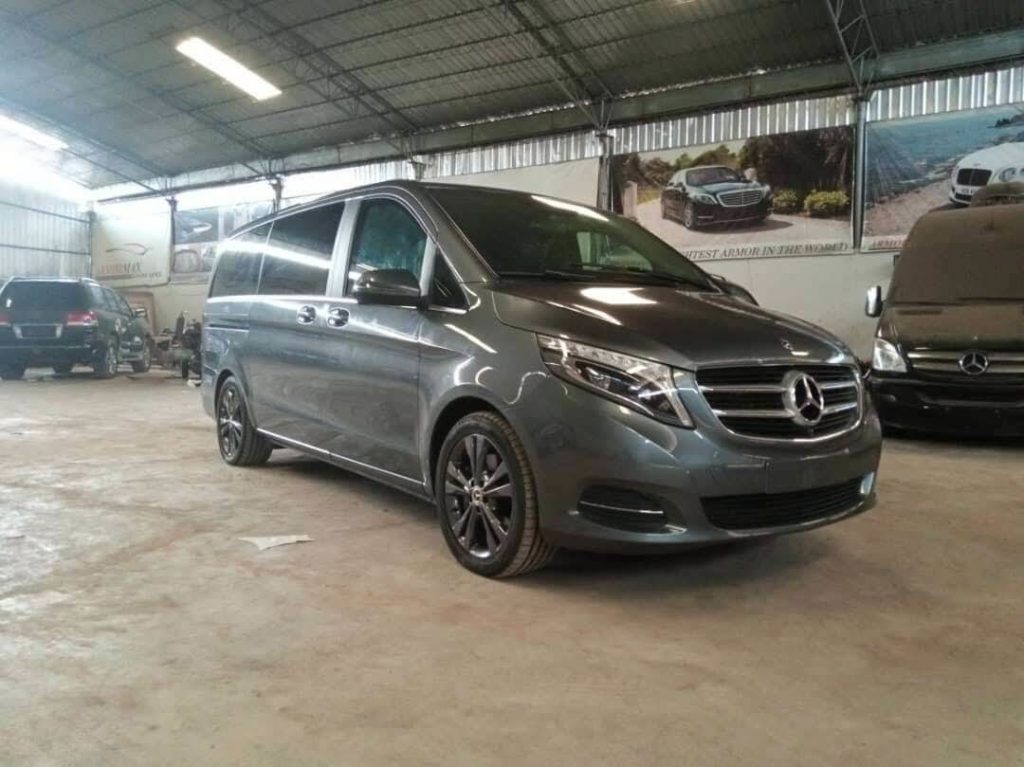
These ranges reflect material costs (ballistic steel, composite armor panels, bullet-resistant glass), labor for vehicle disassembly and reassembly, and engineering for weight distribution optimization. including heavy-duty suspension, upgraded brake systems, and dual rear wheels add $8,000-15,000 depending on base vehicle platform.
Specialized Equipment Costs:
- Standard CIT compartments and cash handling equipment: $5,000-10,000
- Coin transport reinforced flooring: $8,000-15,000
- Cannabis transport odor containment and GPS tracking: $5,000-12,000
- ATM service rack systems: $6,000-10,000
- Run-flat tire protection systems: $2,000-4,000
Total Acquisition Examples:
- Entry-level F-550 B4: $85,000 base + $60,000 armor + $10,000 modifications + $7,500 equipment = $162,500
- Mid-tier DuraStar B6: $110,000 base + $90,000 armor + $12,000 modifications + $8,000 equipment = $220,000
- Heavy-duty M2 106 B6: $130,000 base + $105,000 armor + $15,000 modifications + $10,000 equipment = $260,000
Financing vs Leasing Considerations:
Commercial vehicle financing typically offers 5-7 year terms at 5-8% APR depending on creditworthiness. A $165,000 F-550 financed at 6.5% over 60 months requires monthly payments of $3,225 ($193,500 total cost including interest). Leasing options exist through specialized armored vehicle lessors but typically cost 15-25% more over equivalent ownership periods due to limited resale market and specialized maintenance requirements.
Used armored vehicle markets offer limited inventory with significant condition variability. Well-maintained vehicles remain operationally sound for 10-14 years or 250,000 miles, but armor certification status, maintenance history, and remaining component life significantly affect resale value. Buyers should budget $10,000-20,000 for comprehensive inspection and potential recertification of armor systems when purchasing used vehicles.
Key Takeaway: Estimated Entry-level B4 armored F-550 costs $135,000-165,000 total acquisition, while B6 protection adds $30,000-50,000. Financing $165,000 at 6.5% over 60 months costs $3,225 monthly ($193,500 total with interest).
Protection Level Requirements: B4 vs B6 vs B7
Ballistic protection level selection balances threat environment assessment, insurance requirements, operational flexibility, and cost constraints. The NIJ Standard 0108.01 defines U.S. protection levels, while the En-standard provides internationally recognized classifications increasingly adopted by North American fleet operators.
NIJ Level III / CEN B4 Protection:
Defeats handgun threats including 9mm,.357 Magnum, and.44 Magnum ammunition. This protection level satisfies insurance requirements for most urban CIT operations where threat assessments indicate handgun-level risks. documents B4 protection adds 1,800-2,200 lbs to vehicle weight, preserving maximum payload capacity for operational efficiency.
Cost differential: B4 armoring ranges $50,000-70,000, representing the entry point for certified ballistic protection. Insurance premiums for B4-protected vehicles typically run $12,000-18,000 annually depending on cargo value limits and route risk profiles, though specific rates require underwriter quotes as no insurers publish standardized CIT vehicle premium schedules.
NIJ Level IV / CEN B6 Protection:
Defeats rifle threats including 7.62mm NATO ball ammunition and.308 Winchester. This protection level becomes necessary for high-risk routes, elevated threat environments, or operations in regions with documented rifle-level attacks on CIT vehicles. documents B6 protection adds 2,800-3,500 lbs to vehicle weight, reducing effective payload capacity by 30-40% compared to B4 protection.
Cost differential: B6 armoring ranges $80,000-100,000, representing a $30,000-50,000 premium over B4 protection. Insurance premiums for B6-protected vehicles typically run $18,000-25,000 annually, reflecting both higher vehicle value and reduced risk exposure from enhanced protection. The payload capacity reduction may necessitate larger base vehicle platforms (International DuraStar vs Ford F-550) to maintain operational efficiency, compounding total cost impact.
CEN B7 Protection:
Defeats armor-piercing rifle ammunition including 7.62mm AP rounds. This protection level serves specialized government contracts, international operations in conflict zones, or high-value transport requiring maximum security. B7 protection adds 3,500-5,000 lbs to vehicle weight, typically requiring heavy-duty platforms like Freightliner M2 106 to maintain viable payload capacity.
Cost differential: B7 armoring exceeds $120,000-150,000, with total vehicle acquisition costs reaching $250,000-350,000. Insurance premiums for B7-protected vehicles require specialized underwriters familiar with high-risk transport operations, with annual premiums potentially exceeding $30,000 depending on cargo values and operational theaters.
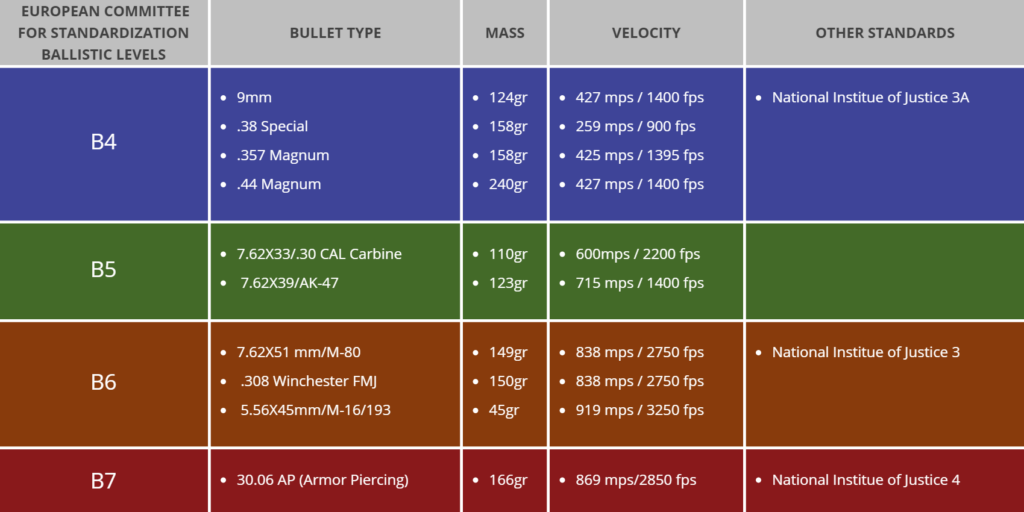
Protection Level Selection Framework:
Fleet managers should evaluate:
- Threat assessment: Historical attack data for service area, law enforcement intelligence on criminal capabilities
- Insurance requirements: Minimum protection levels mandated by underwriters for desired cargo value limits
- Payload impact: Effective capacity remaining after armor weight for operational efficiency
- Cost-benefit analysis: Premium protection cost vs probability-weighted loss exposure
- Regulatory requirements: Government contracts or specialized industries (cannabis, precious metals) may mandate specific protection levels
Key Takeaway: B4 protection costs $50,000-70,000 and adds 1,800-2,200 lbs, serving most standard CIT operations. B6 costs $80,000-100,000 and adds 2,800-3,500 lbs—justified when insurance mandates it or documented rifle threats exist in your territory.
Fleet Size Recommendations by Service Volume
Fleet sizing calculations balance route density, stop duration, vehicle capacity, and backup requirements to maintain service reliability while optimizing capital deployment. Urban routes average 6-8 stops per 8-hour shift, with 12-18 minutes dwell time per location including vehicle securing, cash retrieval/delivery, and documentation.
Routes Per Vehicle Calculation:
Daily route capacity = (Available hours – depot time) / (Average stop duration + drive time)
For urban operations:
- 8-hour shift – 1 hour depot time (morning prep, end-of-day reconciliation) = 7 hours available
- Average stop duration: 15 minutes (12-18 minute range)
- Average drive time between stops: 10 minutes (varies by route density)
- Route capacity: 420 minutes / 25 minutes per stop = 16.8 theoretical stops
Practical capacity: 6-8 stops per shift, accounting for traffic variability, extended dwell times at high-volume locations, and safety protocols requiring crew rest periods. High-density urban routes with minimal drive time may achieve 10-12 stops per shift, while suburban or rural routes with extended drive times drop to 4-6 stops per shift.
Fleet Sizing by Service Volume:
10-20 Daily Stops (Small Operation):
- Primary vehicle: 1 armored truck (Ford F-550 or Sprinter)
- Backup vehicle: 1 armored truck (same platform for parts commonality)
- Total fleet: 2 vehicles
- Rationale: Single primary vehicle handles 8-10 stops per shift with backup for maintenance, peak periods, or vehicle failure
30-50 Daily Stops (Medium Operation):
- Primary vehicles: 4-5 armored trucks (mix of F-550 and DuraStar based on route requirements)
- Backup vehicles: 1-2 armored trucks (15-20% backup capacity)
- Total fleet: 5-7 vehicles
- Rationale: Four vehicles handle 32-40 stops (8 stops × 4 vehicles) with backup capacity for maintenance rotation and peak period surge
75-100 Daily Stops (Large Operation):
- Primary vehicles: 10-12 armored trucks (platform mix optimized for route profiles)
- Backup vehicles: 2-3 armored trucks (20% backup capacity)
- Support vehicles: 1-2 supervisor/emergency response vehicles
- Total fleet: 13-17 vehicles
- Rationale: Ten vehicles handle 80 stops (8 stops × 10 vehicles) with robust backup capacity and dedicated supervisory support
Backup Vehicle Requirements:
Fleet managers emphasize 15-20% backup capacity as essential for operational reliability. Armored vehicles require more frequent maintenance than standard commercial trucks due to armor weight impact on brakes, suspension, and drivetrain components. documents maintenance intervals 25-30% shorter than stock vehicles, with brake service every 25,000 miles versus 50,000+ miles for unarmored trucks.
Backup vehicles also provide surge capacity for peak periods (holiday shopping seasons, tax payment deadlines) when customer stop volume increases 20-40% above baseline. Without adequate backup capacity, fleet operators face service delays, missed pickups, or forced overtime costs exceeding the capital cost of additional vehicles.
Service Area Coverage Planning:
Geographic dispersion affects fleet sizing beyond simple stop count. Operations covering 50+ mile service radius require additional vehicles to minimize non-revenue drive time to distant routes. A centralized depot serving 30 daily stops within 10-mile radius may operate efficiently with 3-4 vehicles, while the same stop volume distributed across 40-mile radius requires 5-6 vehicles due to extended positioning time.
Key Takeaway: Small operations (10-20 daily stops) require 2 vehicles minimum, medium operations (30-50 stops) need 5-7 vehicles, and large operations (75-100 stops) require 13-17 vehicles including 15-20% backup capacity for maintenance and peak periods.
Total Cost of Ownership: 5-Year Analysis
Total cost of ownership extends beyond acquisition price to encompass fuel, maintenance, insurance, crew licensing, and depreciation over typical 5-year fleet planning horizons. This comprehensive analysis reveals operational costs often exceed initial vehicle investment, making TCO the critical metric for fleet acquisition decisions.
Acquisition Cost Amortization:
Entry-level Ford F-550 B4 configuration: $165,000 acquisition cost / 5 years = $33,000 annual capital cost. This straight-line depreciation provides baseline for comparing financing costs, lease payments, or opportunity cost of capital deployed in vehicle assets versus alternative investments.
Fuel Costs:
documents armored vehicles consume 20-35% more fuel than stock configurations due to armor weight. For F-550 platform:
- Stock fuel economy: 14 MPG
- Armored fuel economy: 10-11 MPG
- Annual mileage: 15,000 miles (typical CIT operation)
- Diesel price: $3.50/gallon (2026 average)
- Annual fuel cost: 15,000 miles / 10.5 MPG × $3.50 = $5,000
Five-year fuel cost: $25,000. Larger platforms consume more fuel: International DuraStar averaging 7 MPG armored costs approximately $7,500 annually ($37,500 over five years).
Maintenance and Repairs:
estimates armored vehicle maintenance costs run 30-40% higher than standard commercial vehicles. For F-550 platform with $8,000 annual baseline maintenance:
- Armored maintenance cost: $11,000-12,000 annually
- Brake service every 25,000 miles: $1,000 per service × 3 services over 5 years = $3,000
- Suspension component replacement: $2,000-3,000 over 5 years
- Tire replacement (including run-flat systems): $3,000-4,000 over 5 years
Five-year maintenance total: $55,000-60,000 for F-550 platform. Larger platforms with heavy-duty components cost $70,000-85,000 over five years.
Insurance Premiums:
Insurance costs vary significantly based on cargo value limits, route risk profiles, protection level, and loss history. For planning purposes:
- B4-protected vehicle, $500,000 cargo limit, urban routes: $15,000 annually
- B6-protected vehicle, $1,000,000 cargo limit, mixed routes: $22,000 annually
Five-year insurance cost: $75,000-110,000 per vehicle. Multi-vehicle fleet discounts may reduce per-vehicle premiums 10-15% for operators with 5+ vehicles and a favorable loss history.
Resale Value Projections:
Used armored vehicle markets might show limited liquidity with significant condition-dependent value variation. Well-maintained vehicles retain operational viability for 10-14 years, but resale values remain speculative without published depreciation schedules. Conservative planning assumes 40-50% residual value after five years for vehicles with documented maintenance and current armor certification.
F-550 B4 example: $165,000 acquisition – $75,000 residual (45%) = $90,000 net capital cost over five years ($18,000 annually).
Five-Year TCO Summary (Ford F-550 B4):
- Net capital cost (after resale): $90,000
- Fuel costs: $25,000
- Maintenance and repairs: $57,500
- Insurance premiums: $75,000
- Crew licensing (non-CDL): $1,500
- Total 5-year cost: $249,000
- Annual average: $49,800
- Cost per route (assuming 2,000 routes over 5 years): $124.50
Cost Per Route Calculation:
Annual routes = 250 working days × 8 stops per day = 2,000 routes per vehicle per year
Five-year routes = 10,000 routes per vehicle
Cost per route = $249,000 / 10,000 routes = $24.90 per route
This metric enables direct comparison of vehicle acquisition decisions against service pricing. If average route revenue is $75-100, vehicle costs represent 25-33% of revenue before crew wages, insurance claims, or overhead allocation.
Key Takeaway: Ford F-550 B4 five-year TCO totals $249,000 ($49,800 annually) including $90,000 net capital cost, $25,000 fuel, $57,500 maintenance, and $75,000 insurance. Cost per route averages $24.90 based on 10,000 routes over five years.
Making Your Decision: Next Steps
After evaluating platform specifications, protection levels, and total cost of ownership, follow this structured decision process to finalize your armored vehicle acquisition:
Step 1: Request Quotes from Armormax Specialists
- Provide B4-B7 protection including specialized configurations
- Armormax – Custom builds for unique operational requirements
Provide each manufacturer with:
- Preferred base vehicle platform (F-550, DuraStar, etc.)
- Required protection level (B4, B6, or B7)
- Annual mileage projection and route profile
- Specialized equipment needs (coin transport flooring, ATM racks, etc.)
- Expected delivery timeline
Step 2: Calculate 5-Year TCO for Your Specific Route Profile
Use actual operational data to project costs:
- Measure current average miles per route × expected routes per year = Annual mileage
- Calculate fuel costs using armored MPG estimates from this guide
- Project maintenance based on 30-40% premium over current fleet
- Obtain insurance quotes from carriers familiar with CIT operations
- Include crew licensing costs if platform requires CDL
Compare TCO across platforms using your specific numbers rather than generic estimates.
Step 3: Verify State Licensing Requirements
Confirm compliance requirements for your operating territory:
- Review state-specific insurance minimums (see state comparison table in “What Makes an Armored Truck Suitable” section)
- Contact state regulatory agencies for current application procedures
- Budget for licensing fees, which vary $500-5,000 annually by state
- Plan timeline for license approval (typically 30-90 days)
Multi-state operators must verify compliance in each jurisdiction served.
Step 4: Get Insurance Pre-Qualification
Before finalizing vehicle purchase, confirm insurability:
- Contact CIT insurance carriers with vehicle specifications and protection level
- Obtain premium quotes for planned cargo value limits
- Verify any carrier-mandated protection level requirements
- Confirm coverage availability for your service territory
Insurance carriers may require B6 protection for high-value routes regardless of threat assessment, affecting platform selection.
Step 5: Plan Build Timeline and Fleet Transition
Coordinate vehicle acquisition with operational needs:
- Account for 3-6 month build timelines when ordering
- Plan delivery schedules to avoid service gaps
- Schedule crew training on new vehicle platforms before deployment
- Develop maintenance protocols and parts inventory for new vehicles
Order backup vehicles simultaneously with primary fleet to ensure consistent specifications and delivery timing.
Key Takeaway: Complete these five steps in sequence—request quotes, calculate your TCO, verify licensing, secure insurance pre-qualification, and plan timeline—before committing to any platform. This systematic approach prevents costly mistakes and ensures vehicle selection matches operational requirements.
Frequently Asked Questions
What protection level do I need for cash in transit operations?
Direct Answer: Most urban CIT operations require NIJ Level III / CEN B4 protection (handgun threats), while high-risk routes or elevated threat environments require NIJ Level IV / CEN B6 protection (rifle threats).
Protection level selection depends on threat assessment for your service area, insurance underwriter requirements for desired cargo value limits, and regulatory mandates for specialized industries. NIJ Standard 0108.01 defines U.S. protection levels, while En-standard provides international classifications. B6 protection costs $30,000-50,000 more than B4 but may reduce insurance premiums and enable higher cargo value limits.
Can I convert a regular truck to armored or must I buy factory-armored?
Direct Answer: Aftermarket armoring conversion is the standard industry practice specialize in converting stock commercial vehicles to armored specifications.
All armored CIT trucks begin as standard commercial chassis that undergo comprehensive armoring conversion including ballistic steel/composite panel installation, bullet-resistant glass, suspension and brake upgrades, and specialized equipment integration. Conversion timelines run 3-6 months from order to delivery. Attempting DIY armoring without certified manufacturers voids vehicle warranties, fails insurance certification requirements, and creates liability exposure from improper weight distribution or inadequate ballistic protection.
How many stops can one armored truck make per day?
Direct Answer: Armored trucks typically complete 6-8 stops per 8-hour shift in urban environments, with route density and dwell time at each stop being primary limiting factors.
Average stop duration of 12-18 minutes, including vehicle securing, cash retrieval/delivery, and documentation, plus 10-15 minutes drive time between stops, creates practical capacity limits. High-density urban routes with minimal drive time may achieve 10-12 stops per shift, while suburban or rural routes with extended drive times drop to 4-6 stops per shift. Payload capacity rarely limits stop count—route geography and time constraints dominate operational efficiency.
What are the insurance requirements for cash transport vehicles?
Direct Answer: Insurance requirements vary by state, with California requiring $1 million minimum per vehicle, Texas requiring flexible amounts based on service scope, and Florida determining coverage case-by-case.
$1 million minimum liability insurance per armored vehicle plus Private Patrol Operator licensing. Private Security Bureau registration with insurance or surety bonds as prescribed by rule. Class A Security Agency licensing with adequate insurance determined by the Department. Beyond state minimums, cargo value insurance depends on protection level, route risk profiles, and loss history, with annual premiums typically ranging $12,000-30,000 per vehicle.
Do armored trucks require special driver licensing?
Direct Answer: Vehicles exceeding 26,001 lbs GVWR require Commercial Driver’s License Class B, while lighter vehicles (Ford F-550, Mercedes Sprinter) require only standard driver’s licenses.
The mandates CDL Class B for single vehicles with GVWR 26,001+ lbs. International DuraStar and Freightliner M2 106 platforms exceed this threshold, requiring CDL-licensed crews at $200-600 per driver initial cost plus at $75-150. Ford F-550 (19,500 lbs GVWR) and Mercedes Sprinter (11,030 lbs GVWR) remain below CDL threshold, reducing crew licensing requirements and associated training costs.
What is the fuel economy of armored cash transport trucks?
Direct Answer: Armored trucks consume 20-35% more fuel than stock vehicles, with Ford F-550 averaging 10-11 MPG armored (vs 14 MPG stock) and International DuraStar averaging 6-8 MPG armored (vs 8-10 MPG stock).
documents fuel economy penalties from armor weight ranging 2-4 MPG depending on base platform and protection level. At 15,000 annual miles and $3.50/gallon diesel, the fuel economy reduction costs $2,500-4,000 annually in additional fuel compared to stock configuration. This ongoing operational cost must factor into total cost of ownership calculations.
Conclusion
Armored truck selection for cash transport operations requires balancing protection level requirements, payload capacity needs, regulatory compliance, and total cost of ownership over 5-year fleet planning horizons. Ford F-550 platforms dominate entry-level operations at $135,000-165,000 with B4 protection and 8,000-10,000 lbs effective payload, while International DuraStar serves high-volume routes at $180,000-250,000 with B6 protection and 15,000-18,000 lbs capacity.
Protection level selection creates $30,000-80,000 cost differentials that must be evaluated against threat environments and insurance requirements. Total cost of ownership analysis reveals operational expenses—fuel penalties of 20-35%, maintenance costs 30-40% higher than stock vehicles, and insurance premiums of $12,000-30,000 annually—often exceed initial acquisition costs over five years.
Fleet sizing calculations should target 15-20% backup capacity beyond primary vehicle requirements to maintain service reliability during maintenance cycles and peak periods. For operations requiring specialized configurations—coin transport, cannabis cash transport, or ATM servicing—custom builds from manufacturers like Armormax provide optimized solutions that standardized platforms cannot accommodate.
Contact armored vehicle specialists for detailed quotes based on your specific operational requirements and service area threat assessments. Follow the five-step decision process outlined in “Making Your Decision” to ensure systematic evaluation and avoid costly platform selection mistakes.
For questions or exact pricing please call 801.393.1075 to learn more.