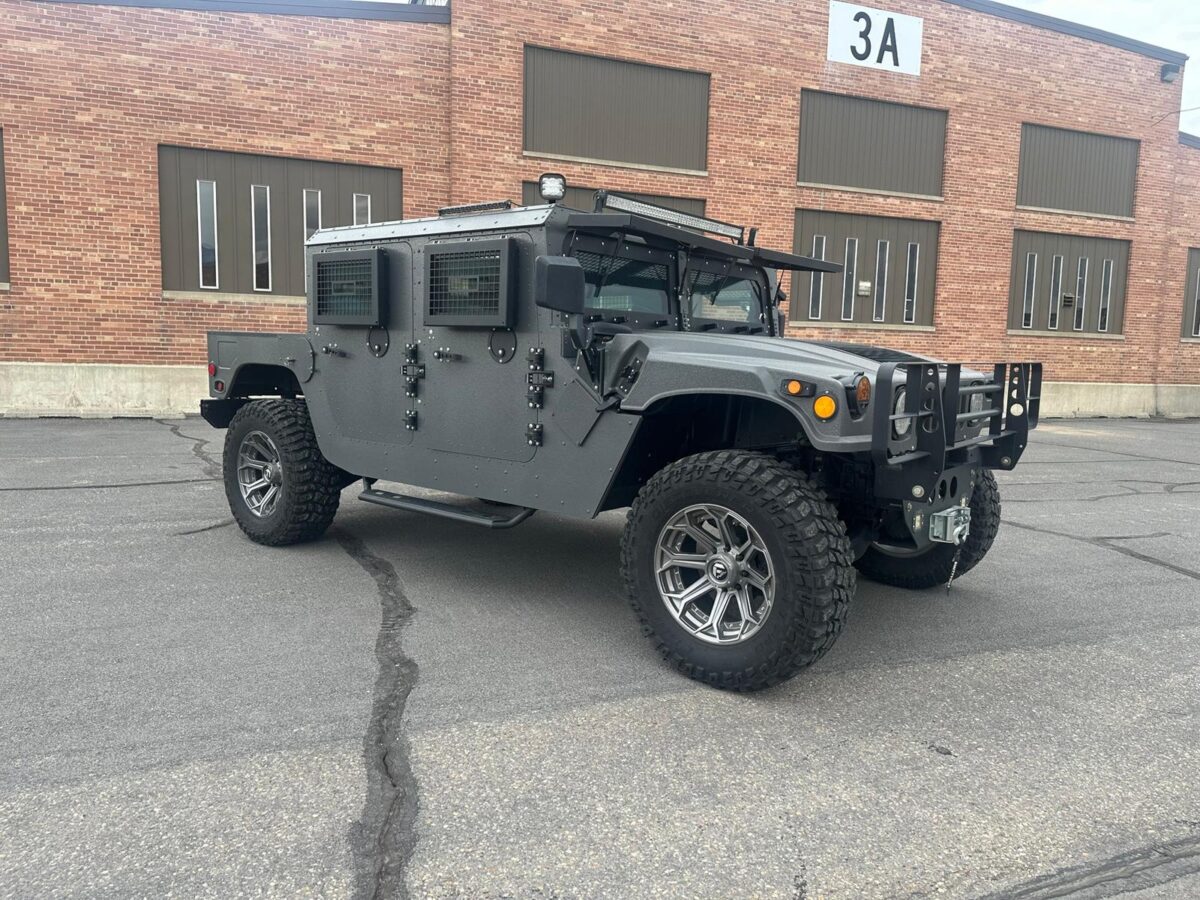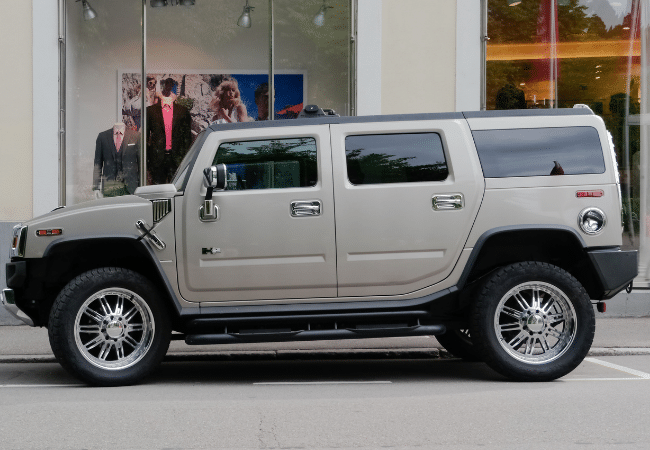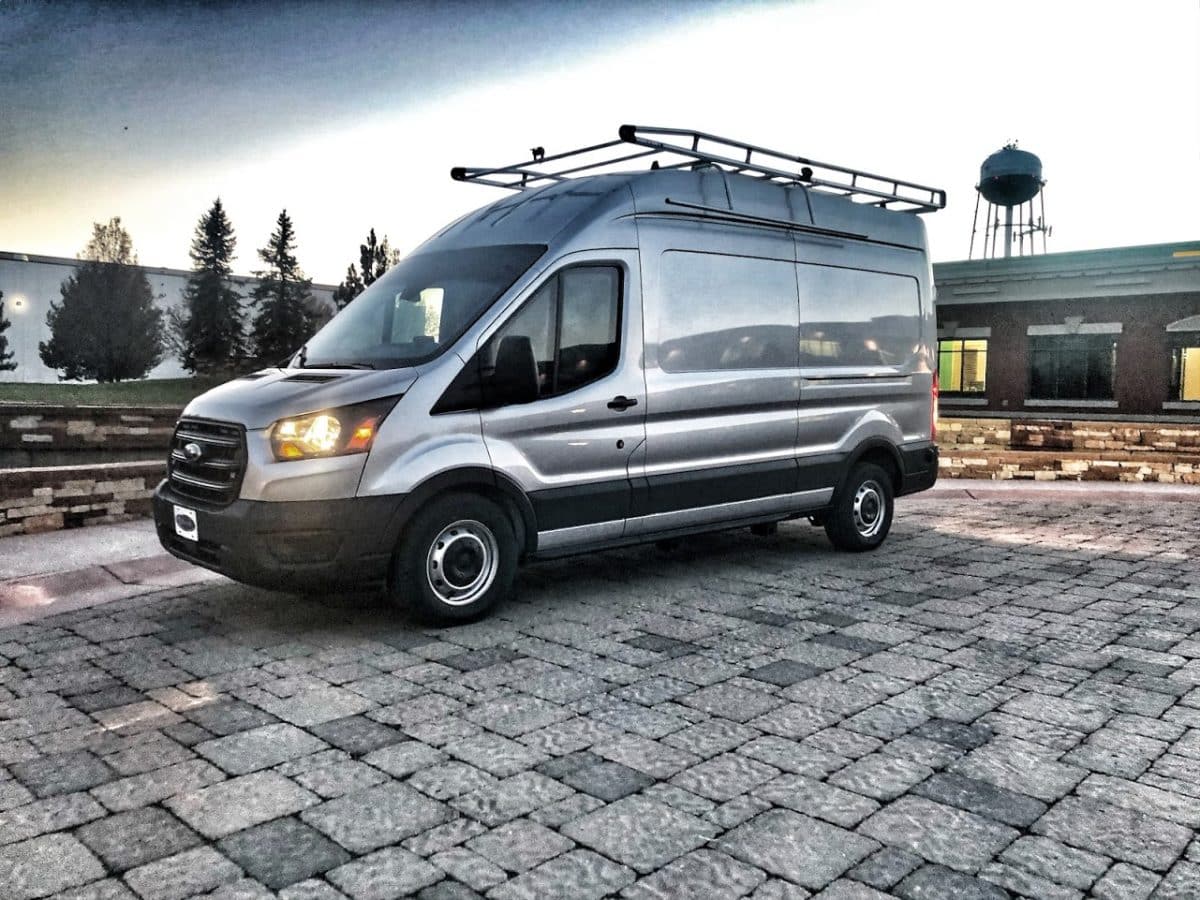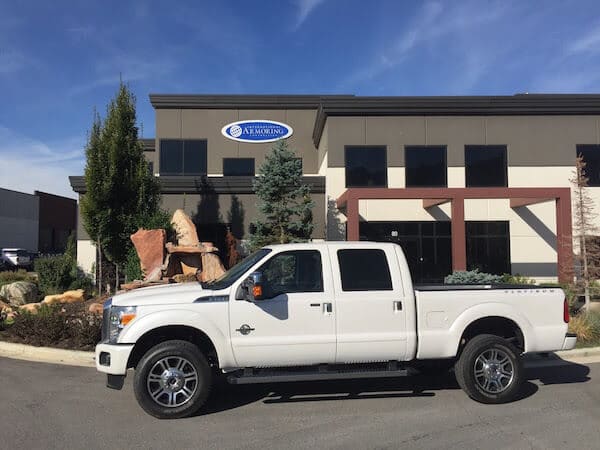
Want to get a free armoring quote? Reach us here.
When most people think about armored vehicles, they picture heads of state, military convoys, or billionaire CEOs traveling through dangerous regions with heavy security details. But the reality has changed dramatically over the last decade.
Today, vehicle armoring is increasingly being considered by executives, families, high-net-worth individuals, humanitarian organizations, faith leaders, cash-in-transit operators, and professionals operating in uncertain environments. Rising violent crime, targeted carjackings, civil unrest, kidnapping risks, and random road violence have shifted the conversation from “luxury” to “preparedness.”
The real question is no longer:
“Can I afford an armored vehicle?”
The smarter question is:
“What is the real cost of not having one?”
This article breaks down the 5-year total ownership cost of an armored vehicle compared to common alternatives like private security teams, multiple escort vehicles, route changes, relocation, or doing nothing at all. More importantly, it examines the practical, financial, and human realities behind those decisions.
Because at the end of the day, security is not just about protecting assets.
It is about protecting people.
And unlike many security solutions, a properly armored vehicle stays with you every mile of the journey.
Why Armored Vehicles Are Becoming More Relevant
Crime patterns have evolved. In many regions, attacks happen quickly, close-range, and with little warning. Vehicle ambushes, smash-and-grab attacks, armed robberies at intersections, and coordinated carjackings are becoming increasingly common worldwide.
In many scenarios, the vehicle itself becomes either:
- Your greatest vulnerability
- Or your best layer of protection
That distinction matters.
Most attacks against vehicles are over in seconds. There is rarely enough time for outside help to intervene. Even trained security personnel may not react fast enough during a sudden attack.
An armored vehicle changes the equation immediately.
Instead of shattered glass, exposed occupants, and panic, you have:
- Ballistic protection
- Reinforced structural integrity
- Run-flat tire systems
- Protected escape capability
- Time to react
- Time to drive away
- Time to survive
That time difference can mean everything.
The Hidden Problem with Traditional Security Alternatives
Many people initially consider alternatives before investing in an armored vehicle.
Common options include:
- Hiring armed security personnel
- Using escort vehicles
- Avoiding high-risk areas
- Restricting family movement
- Traveling only during certain hours
- Relocating offices or homes
- Depending on law enforcement response
- Carrying firearms
Some of these measures help. Some are necessary. But nearly all have major limitations.
Here is the uncomfortable reality:
Most security solutions are reactive.
Armoring is proactive.
A firearm may help after an attack begins. Security personnel may respond after identifying a threat. Police may arrive after the incident.
An armored vehicle works the instant the threat appears.
That distinction is critical in real-world attacks.
Understanding the 5-Year Cost Comparison
Let’s compare a realistic 5-year ownership model between an armored SUV and alternative security approaches.
For this example, assume:
- Executive or family use
- Daily driving
- Moderate-to-elevated risk environment
- Luxury SUV platform
- 5-year ownership period
We will compare four scenarios:
- Fully armored SUV
- Private security detail
- Escort vehicle strategy
- No dedicated protection
Option 1: Armored Vehicle Ownership
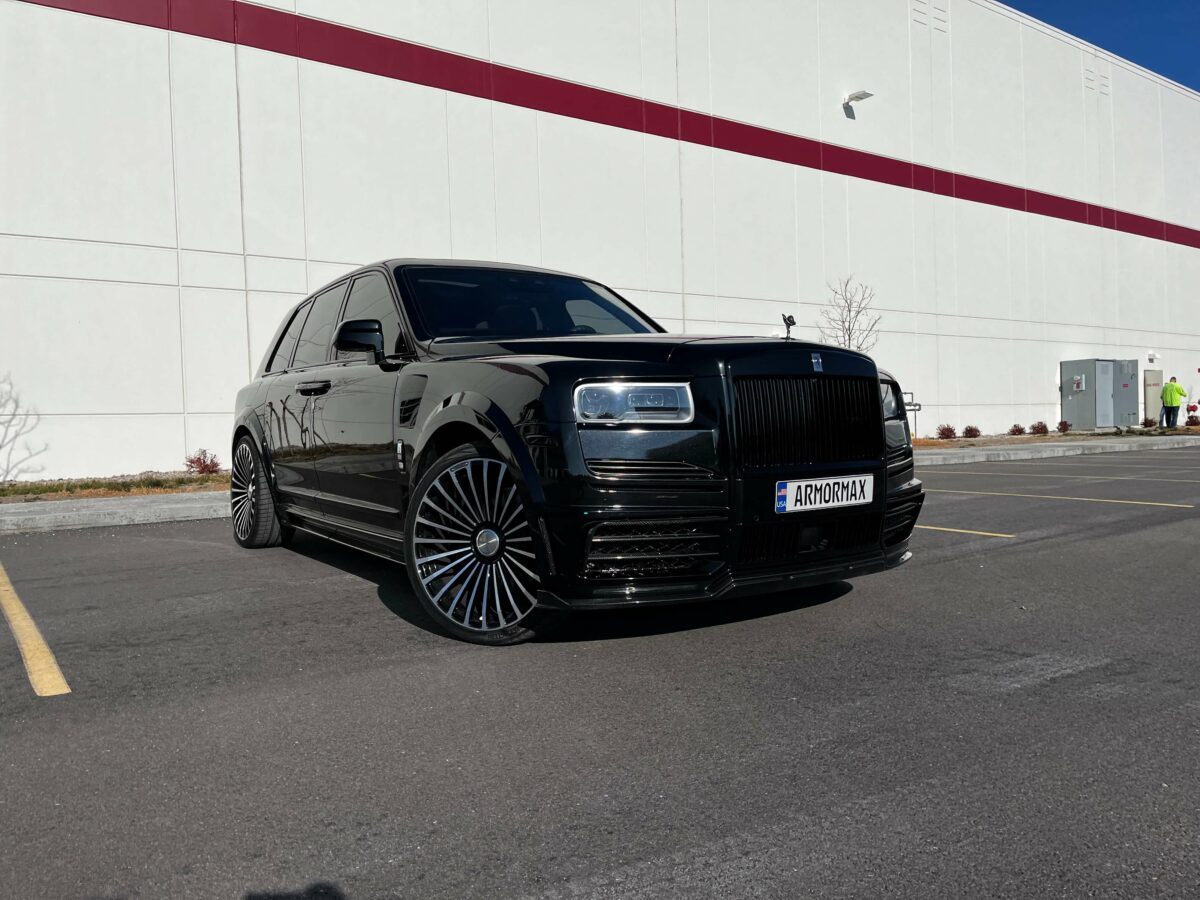
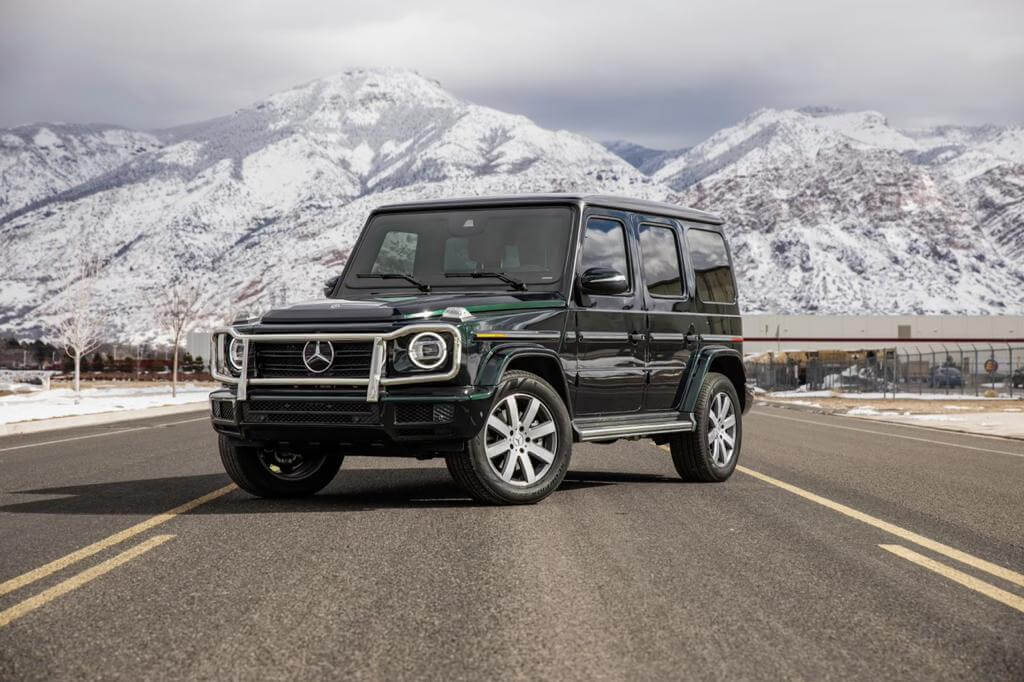
A professionally armored SUV from Armormax typically includes:
- Ballistic steel protection
- Multi-layer ballistic glass
- Reinforced suspension
- Run-flat systems
- Overlap protection
- Fuel tank protection
- Battery and ECU protection
- Optional smoke systems, sirens, or emergency escape upgrades
Depending on protection level and vehicle platform, pricing commonly ranges from:
- $45,000–$250,000+ for armoring package
- Plus donor vehicle cost
Estimated 5-Year Costs
Initial Purchase
- Vehicle + armoring: $230,000
Maintenance
Armored vehicles require specialized maintenance, particularly for:
- Suspension components
- Brake systems
- Tires
- Hinges and door systems
Estimated additional maintenance:
- $2,000–$8,000 annually
5-year estimate:
- ~$30,000
Insurance
Insurance varies significantly by region and carrier.
Estimated increase:
- ~$3,000 annually above standard premium
5-year estimate:
- ~$15,000
Depreciation
One overlooked advantage:
High-quality armored vehicles often retain niche resale demand better than expected.
Estimated retained value after 5 years:
- ~$110,000–$140,000
Total Estimated 5-Year Ownership Cost
| Category | Estimated Cost |
|---|---|
| Acquisition | $230,000 |
| Maintenance | $30,000 |
| Insurance Increase | $15,000 |
| Residual Value Recovery | -$120,000 |
| Net 5-Year Cost | ~$155,000 |
That equates to roughly:
~$31,000 per year
Or about:
~$85 per day
For a mobile ballistic protection system that protects you, your spouse, your children, and anyone else riding inside.
That framing changes the conversation.
Option 2: Full-Time Private Security Detail
Many individuals assume armed personnel are a cheaper alternative.
Usually, they are not.
Professional executive protection is expensive — especially if coverage is consistent and high quality.
Typical Costs
One Trained Security Professional
- $70,000–$140,000 annually
- Often more internationally
Realistic Coverage Needs
True protection generally requires:
- Multiple rotating agents
- Benefits
- Scheduling coverage
- Vehicles
- Communication systems
- Training
- Insurance
A minimal credible setup often costs:
$180,000–$400,000 annually
5-Year Estimate
| Category | Estimated Cost |
|---|---|
| Personnel | $1M–$2M |
| Vehicles & Operations | $250,000+ |
| Insurance & Liability | $100,000+ |
| Total | ~$1.3M–$2.5M |
And here is the key issue:
Even highly trained personnel cannot stop bullets from penetrating unarmored glass.
Security teams are valuable. But without armored transportation, there is still a major vulnerability.
The best executive protection strategies typically combine:
- Skilled personnel
- Route planning
- Situational awareness
- Armored transportation
Not one or the other.
Option 3: Escort Vehicles and Convoy Strategies
Some organizations rely on multiple vehicles and convoy movement.
This can deter opportunistic attacks.
But it also introduces problems:
- Higher visibility
- Operational complexity
- More staffing
- More fuel
- More maintenance
- Reduced flexibility
- Predictable movement patterns
And importantly:
A convoy does not physically stop ballistic threats from entering your cabin.
Estimated 5-Year Cost
| Category | Estimated Cost |
|---|---|
| Additional Vehicles | $150,000–$300,000 |
| Drivers & Personnel | $400,000+ |
| Fuel & Maintenance | $150,000+ |
| Coordination Costs | Significant |
| Total | ~$700,000–$1M+ |
Again, this still does not replace ballistic protection.
Option 4: No Dedicated Protection
This is the default approach most people take.
And to be fair, many people will never experience a violent attack.
But risk analysis is not about averages.
It is about consequences.
Most people never need:
- Fire insurance
- Airbags
- Medical evacuation
- Emergency surgery
Until the moment they do.
The problem with security planning is that people often evaluate probability while ignoring severity.
A low-probability event with catastrophic consequences deserves serious consideration.
Especially when family safety is involved.
The Financial Reality Nobody Talks About
One successful attack can financially devastate an individual or company.
Potential costs include:
- Medical bills
- Long-term rehabilitation
- Lawsuits
- Kidnapping payments
- Business disruption
- Trauma counseling
- Executive replacement
- Family relocation
- Reputation damage
- Lost productivity
- Funeral expenses
Even beyond the human tragedy, the financial exposure can be enormous.
In many cases, the cost of a single violent incident exceeds the entire 5-year cost of an armored vehicle.
The Human Side of the Equation
This is where spreadsheets stop telling the full story.
An armored vehicle does something difficult to quantify:
It gives people options during chaos.
That matters psychologically.
Families travel differently knowing they have protection. Executives can operate more effectively. Parents can drive children without constant fear in unstable environments.
And in many real-world attacks, armored vehicles have done exactly what they were designed to do:
Save lives.
Not hypothetically.
Literally.
Why Armored Vehicles Work
Professionally engineered armoring systems are designed around one core principle:
Keep occupants alive long enough to escape.
That sounds simple, but it changes engineering priorities completely.
An effective armored vehicle is not just “metal added to a car.”
Proper armoring requires:
- Weight balancing
- Suspension engineering
- Structural reinforcement
- Ballistic overlap protection
- Multi-hit resistance
- Brake upgrades
- Powertrain compatibility
- OEM integration
Poorly armored vehicles can become dangerous themselves.
That is why manufacturer quality matters enormously.
Why Armormax Stands Out
Not all armoring companies operate at the same level.
Some shops focus primarily on appearance. Others outsource major portions of engineering. Some add excessive weight that compromises drivability and reliability.
A properly armored vehicle should still feel refined, controlled, and dependable under daily use.
That is one reason many clients turn to Armormax.
The company has built a reputation around:
- Advanced lightweight armoring systems
- OEM-style integration
- Extensive ballistic testing
- International experience
- Luxury vehicle expertise
- Fleet scalability
- Real-world usability
One of the biggest misconceptions about armored vehicles is that they must feel bulky or militarized.
Modern armoring has evolved significantly.
Many vehicles today maintain:
- Luxury interiors
- Quiet cabins
- Technology integration
- Daily drivability
- Normal exterior appearance
That “low-profile protection” approach can actually improve safety by reducing attention.
The Advantage of Discreet Security
Visible security can sometimes escalate risk.
Large convoys, obvious tactical vehicles, or heavily armed escorts may attract unwanted attention.
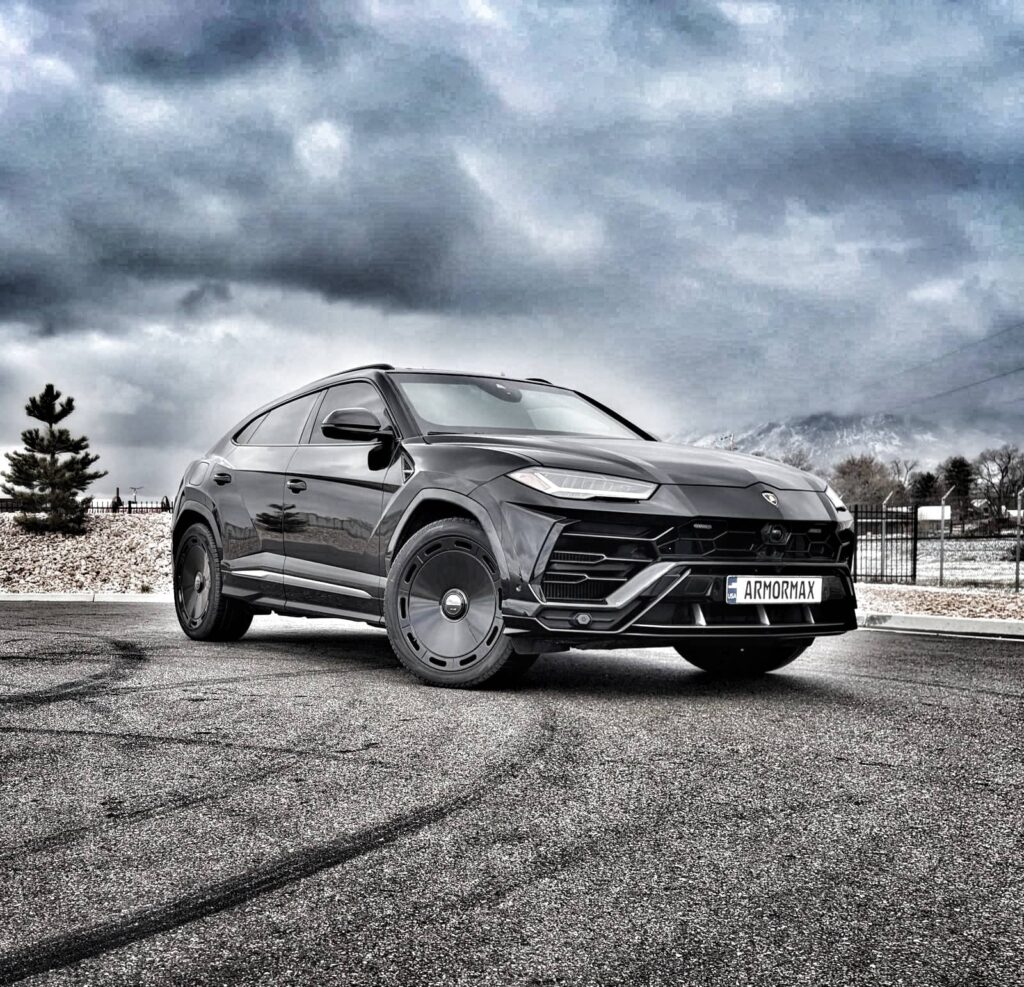
A discreet armored SUV blends into normal traffic while quietly providing protection underneath.
That creates several advantages:
- Lower public visibility
- Reduced intimidation factor
- More flexibility
- Better family usability
- Easier urban driving
- Lower operational friction
In many situations, subtlety is safer than spectacle.
The Family Protection Factor
This is where many purchasing decisions become deeply personal.
Executives often tolerate risk themselves.
What changes their thinking is:
- Their spouse
- Their children
- Daily family transportation
School routes, shopping centers, traffic stops, parking garages, and public roads are all unpredictable environments.
An armored vehicle creates a controlled layer of protection in places where people are otherwise highly exposed.
For many families, that peace of mind becomes the single biggest value driver.
Common Misconceptions About Armored Vehicles
“Only politicians need them.”
Not anymore.
Today’s armored vehicle clients include:
- Business owners
- Medical professionals
- Humanitarian organizations
- Energy sector executives
- Religious leaders
- Celebrities
- Private families
- International travelers
Risk has broadened.
Protection strategies have evolved with it.
“They are impossible to maintain.”
This depends heavily on build quality.
Poorly engineered armoring causes problems.
Properly integrated systems from experienced companies can maintain excellent reliability with proper service schedules.
“They drive terribly.”
Older armored did not have the technology that is available today.
Modern lightweight ballistic materials and engineering advancements have dramatically improved ride quality and handling.
“They are too expensive.”
Compared to what?
That is the wrong benchmark.
The correct comparison is against:
- Alternative security costs
- Risk exposure
- Human consequences
- Operational disruption
When analyzed over five years, armored vehicles are often far more economical than people assume.
The Strategic Perspective
The best security investments are the ones you hopefully never need.
Nobody wants:
- A house fire
- A major surgery
- A hostage situation
- A violent road attack
But mature risk management is about preparation before crisis happens.
Not afterward.
The people who survive dangerous incidents are often not the strongest or luckiest.
They are the most prepared.
Final Thoughts: The Cost of Protection vs. The Cost of Regret
Security decisions are rarely emotional until something goes wrong.
Then they become extremely emotional.
The reality is simple:
An armored vehicle cannot guarantee safety in every situation.
No security measure can.
But professionally engineered armoring dramatically improves survivability during many of the most dangerous real-world threats people face on the road today.
And unlike many recurring security expenses, an armored vehicle is:
- Tangible
- Transferable
- Resellable
- Always present
- Always active
Over a five-year period, the cost analysis becomes surprisingly compelling — especially compared against private security teams, convoy operations, or the devastating financial consequences of a successful attack.
Most importantly, armored vehicles buy something priceless:
Time.
Time to react.
Time to escape.
Time to survive.
And sometimes, that is the difference between tragedy and getting home safely to your family.
That is why companies like Armormax continue to matter in an increasingly unpredictable world.