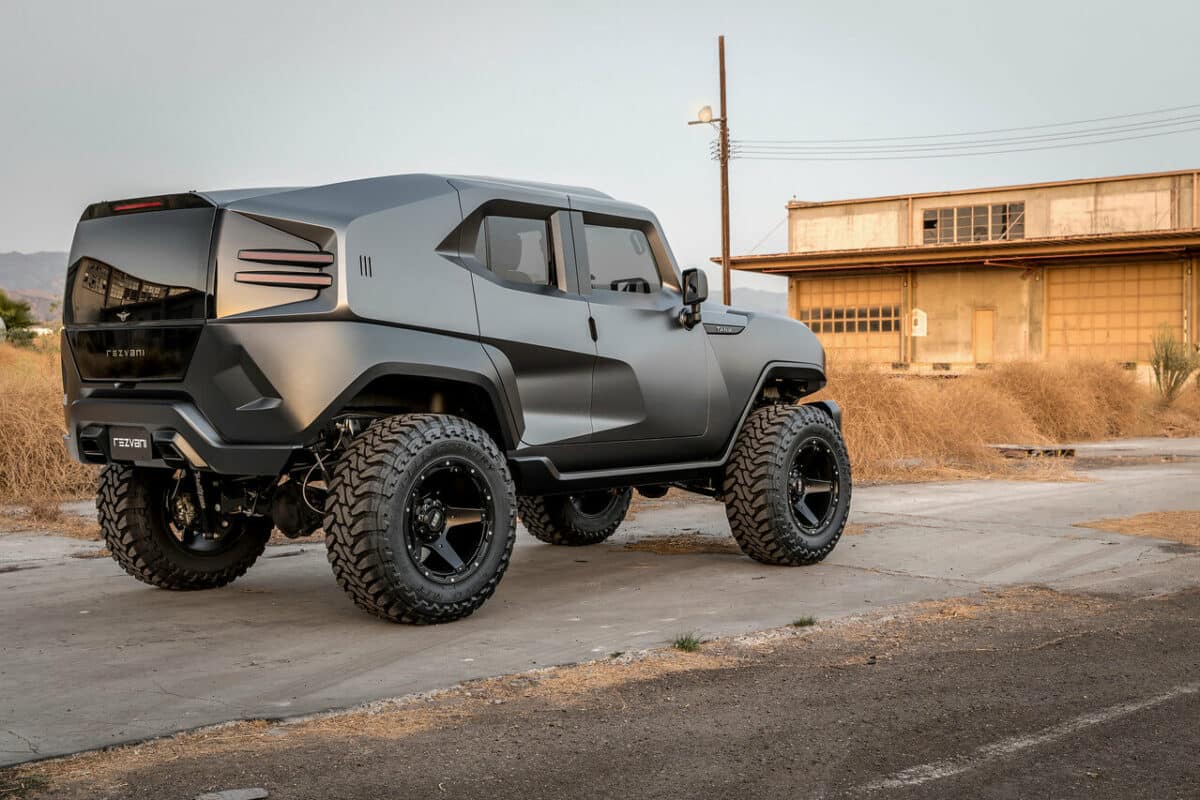
Armored work trucks and security vehicles are designed to operate where ordinary vehicles cannot. On construction sites, in utility operations, or during security deployments, these vehicles are entered and exited repeatedly throughout the day—often by operators wearing muddy boots, carrying tools, or moving equipment in and out of the cabin. Over time, this daily use takes a toll on the interior, making protection a practical concern rather than a cosmetic one.
While exterior durability is often prioritized, interior wear is frequently overlooked until damage becomes difficult or costly to reverse. For vehicles expected to remain reliable under demanding conditions, interior protection plays an important role in long-term performance and operational readiness.
Daily Use Patterns That Accelerate Interior Wear
Unlike personal vehicles, work and security vehicles experience consistent, high-intensity use. Drivers and passengers step in and out dozens of times per shift, tracking in moisture, dirt, gravel, and debris from job sites or outdoor environments. Tools and equipment may rest temporarily on interior surfaces, while wet clothing and footwear introduce additional moisture into the cabin.
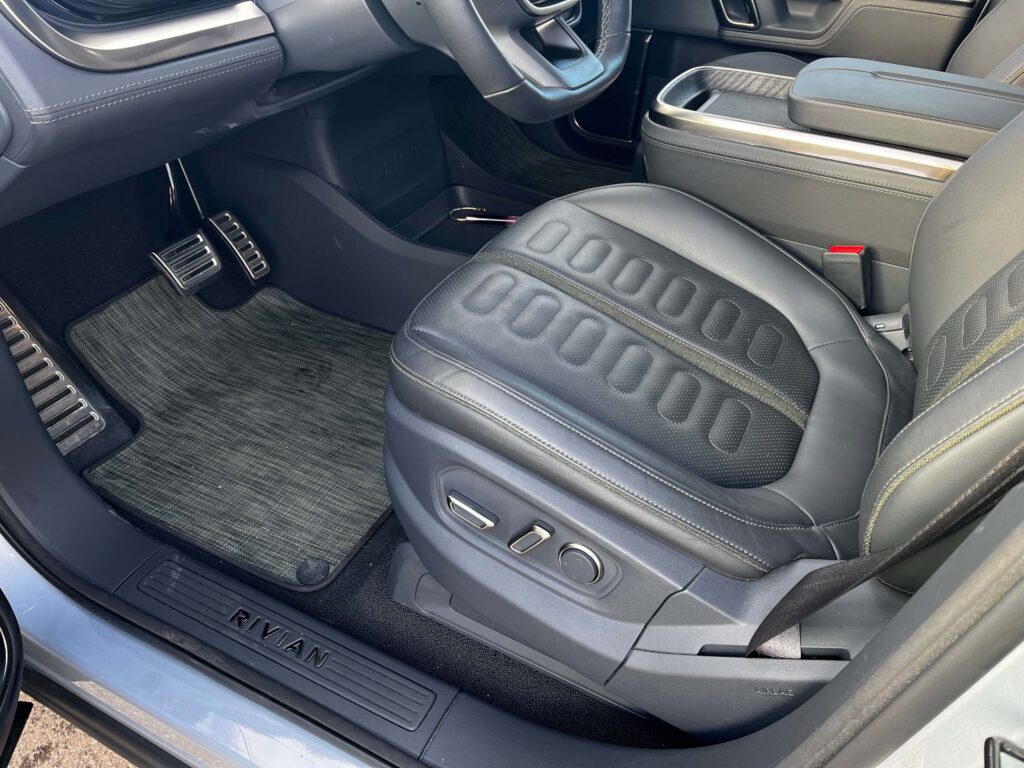
These use patterns are not occasional—they are routine. As a result, interior components are exposed to constant friction, contamination, and moisture, all of which accelerate wear well beyond what factory materials are designed to handle in everyday consumer driving.
Why the Cabin Floor Takes the Most Damage
Among all interior surfaces, the cabin floor is typically the first area to show signs of deterioration. It absorbs the direct impact of muddy boots, melting snow, rainwater, and debris, especially in vehicles that operate year-round. Moisture trapped beneath standard carpeting can lead to lingering odors, staining, and long-term material breakdown.
This is particularly relevant for commonly deployed platforms such as the Ford F-150, which remains a staple across construction, utility, and security fleets. In high-use scenarios like these, upgrading 2025 ford f150 floor mats helps reduce interior wear by creating a barrier that prevents moisture and debris from reaching vulnerable flooring materials.
By addressing floor-level exposure early, operators can significantly slow the progression of interior damage that often spreads to surrounding areas over time.
The Role of All-Weather Floor Protection
Because work and security vehicles operate across changing environments, interior protection must perform reliably in all conditions. Rain, snow, mud, and dust can be introduced into the cabin within minutes, particularly when vehicles transition between outdoor job sites and paved roads.
Protective solutions such as All-Weather Floor Mats are designed to manage this exposure by containing liquids and debris within defined channels and raised edges. This containment makes cleaning more efficient while reducing the risk of moisture seeping into underlying materials. In addition to simplifying maintenance, all-weather protection helps maintain a more controlled interior environment, even during prolonged periods of harsh weather or heavy use.
Interior Protection as Part of Vehicle Readiness
Effective interior protection should be viewed as part of overall vehicle readiness rather than a standalone upgrade. Floors, seating surfaces, door sills, and other high-contact areas experience cumulative stress during daily operations. When these areas are protected proactively, vehicles remain easier to maintain and more reliable over extended service cycles.
For security and specialized vehicles, interior condition also supports professional standards and operational efficiency. A clean, well-maintained cabin contributes to hygiene, safety, and driver comfort—factors that become increasingly important during long shifts or high-pressure assignments.
Jeep Floor Mats Built for Mud, Water, and Everyday Wear
Jeep owners get messy in ways that most drivers don’t. Boots pick up mud after trail rides. Rain drips inside when doors or tops are removed. Dirt, sand, and spills gradually accumulate on the floor.
Off-road gear, muddy boots, pets, and kids make messes more common.
Most factory floor mats slide around, soak up water, or have gaps where mud touches carpet. Over time, the floor begins to smell, stains are difficult to clean, and vacuuming takes much longer than it should.
Good Jeep floor mats solve these problems. High-quality mats made for Jeep use keep water and mud trapped instead of allowing it to spread on the floor.
Heavy-duty materials resist daily wear and harsh conditions without tearing or shredding. Proper fitment and non-slip backing keep mats from sliding. The floor carpet is protected, cleaning is easier, and interior components last longer.
Reasons Jeep Interiors Need Extra Floor Protection
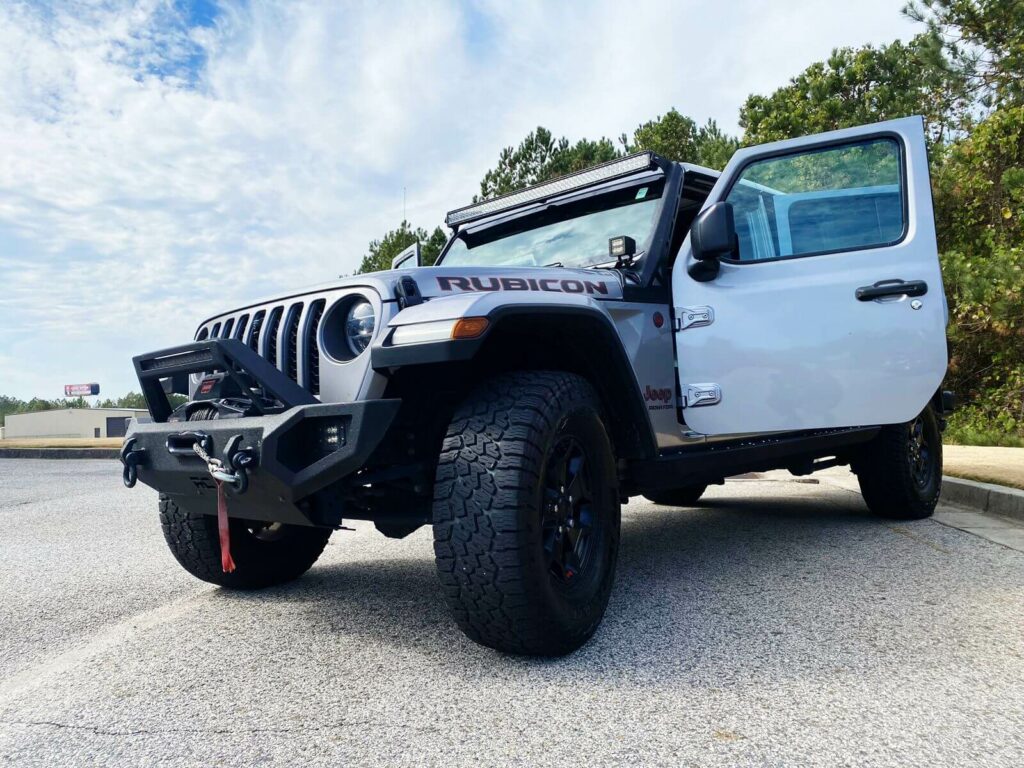
Jeeps are made for off-road use. Most also have removable doors and a removable roof for easy access. As you might expect, with that kind of access, water and dirt have an easy way in.
On paved roads, people track in dirt and dust. Add some trail runs, muddy boots, rainy days, and your interior gets abused. Carpet was never designed to handle water or thick mud.
Water that soaks into carpet padding is hard to dry out. This results in odors and mildew over time. Quality floor mats provide the first line of defense and protect the original carpet.
Jeep Flooring Problems Caused By Cheap Mats
Jeep owners often use factory mats or low-cost universal mats. These can cause more problems than they solve.
Movement is a frequent issue. Mats slide back and forth while driving and bunch up under the pedals. Safety is affected, and part of the floor is left exposed.
Water absorption is also a concern. Soft fabric mats absorb water and hold it there. This leaves the carpet wet for days after a wash.
Flat mats with no raised edges allow dirt to spread. Once mud or water spills over the sides, it gets tracked across the floor and becomes difficult to clean. Low-end mats wear out faster, curl up at the edges, and lose shape.
Features to Look For In Jeep Floor Mats
Not all floor mats are the same. Fitment and design are more important than looks.
Deep Channels To Control Mud and Water
Quality Jeep floor mats have deep channels to guide water and mud away from boots. Channels capture liquids and don’t let it flow over the entire mat.
Flat mats are ineffective for this reason. Water has no place to go and spreads freely. On rainy days or after off-roading, the grooves help keep your feet dry and the carpet clean.
Raised Edges To Protect Against Spills
Raised edges keep water from flowing off the mat onto the carpet. This is especially helpful in rainy weather, snow, or when wiping muddy boots inside.
Even small spills stay trapped inside the mat instead of soaking into the floor. Mats with low edges may look cleaner, but they offer little real protection.
Non-Slip Backing and Secure Fit
Floor mats must stay put. Good backing material grips the floor and prevents movement while driving. Some Jeep-specific mats lock into factory mounting points, which is another level of security.
Loose mats are annoying, but they can also slide under pedals and affect braking.
Durable Materials That Handle Daily Wear
Jeep mats need to withstand more abuse than regular car mats. Materials must resist cracking, curling, and fading. Durable rubber or flexible composite material lasts longer and cleans more easily.
Cheap plastic mats get brittle in cold weather and curl in the heat. That makes them less effective.
Jeep Floor Mats For Different Driving Conditions
Jeep owners use their vehicles in many different ways. Jeep floor mats should match your driving conditions and how the Jeep is used.
Daily City Driving
Even without off-roading, day-to-day use causes the accumulation of dirt. Spills, dirt from shoes, kids, and pets all leave their mark. Mats that are easy to clean make daily life easier.
A quick rinse or wipe should be sufficient to keep them looking good.
Off-Road Trails and Mud Runs
Trail riding leads to thick mud, water splashes, and loose gravel. Boots are often covered before re-entering the Jeep. Floor mats designed for heavy use will trap this mess and prevent it from reaching the carpet.
After a long trail day, Jeep floor mats should be easy to remove and wash.
Rainy, Snowy and Wet Weather
Rain and snow equal water, slush, and road salt. Moisture is trapped in the carpet without proper mats. This leads to odors and corrosion over time.
Raised edges and waterproof materials make a huge difference in these months.
Custom Fit vs Universal Jeep Floor Mats
Universal floor mats are designed to fit many different vehicles. As a result, they often have gaps around the edges. Mud and water can get between the mat and the carpet.
These mats also slide around more while driving. Because they are not shaped for Jeep floors, they are more likely to slide around and expose parts of the interior.
Custom-fit Jeep floor mats are designed for specific Jeep models. They follow the floor shape and hold in place better.
This close fit helps block dirt and water. It also makes cleaning easier and keeps the carpet protected longer.
The Importance of Floor Mats in Protecting Jeep Resale Value
Interior condition is a factor when selling or trading a Jeep. Stained carpet and bad odors reduce value quickly. Potential buyers notice the interior condition right away.
Good floor mats keep carpet clean and dry. When removed, the floor underneath should still look fresh. This helps retain resale value and makes the Jeep more attractive to buyers.
Basic interior care often makes more of a difference than cosmetic upgrades.
Tips For Easy Cleaning and Maintenance
Keeping floor mats clean is not complicated.
Regularly shake off loose dirt. If the mats get heavy mud, remove them and rinse them with water. Mild soap is useful for stubborn stains. Avoid harsh chemicals as they can degrade the material.
Allow the mats to dry fully before reinstalling. This prevents moisture from becoming trapped underneath.
Jeep Owners Mistakes When Buying Floor Mats
One mistake is only looking at the appearance of the mat. They may look stylish, but be ineffective. Function should be the top priority.
Ignoring proper fit is another mistake. Mats that don’t cover the footwell completely leave the carpet exposed. Some Jeep owners also underestimate edge height, which reduces spill protection.
Buying mats not designed for Jeep use will also lead to disappointment.
Jeep Floor Mats Replacement: When to Replace?
Floor mats are not designed to last forever. Signs they need replacing include visible cracks, curled edges, or a loss of traction. Mats that slide across the floor with ease or no longer hold water have lost their effectiveness.
Persistent strong odors that don’t go away after washing are also a sign that the material has absorbed moisture over the years.
Worn mats should be replaced to keep the inside safe and easy to clean.
Long-Term Benefits for Fleet and Security Operations
Over time, preventive interior protection delivers measurable benefits. Reduced cleaning and repair requirements lower maintenance costs, while better-preserved interiors help retain vehicle value when units are rotated out of service. In fleet and security operations, consistent interior protection across vehicles also simplifies maintenance protocols and supports uniform standards.
Ultimately, interior protection is an investment in longevity. By addressing daily wear at its source, work trucks and security vehicles remain dependable, service-ready assets capable of meeting the demands placed on them in challenging environments.
Closing Thoughts
Floor mats for your Jeep are not just an accessory. They protect the interior from daily wear and harsh conditions. The right mats save time on cleaning and can help preserve resale value. Mats can also make the driving experience more comfortable.
Selecting mats based on your real-world use of your Jeep is a more effective strategy. Urban driving, trail driving, or wet weather can all benefit from using the proper floor protection.