An armored vehicle is built to provide an extra layer of protection when the stakes are high. But ballistic protection is only part of the equation. The vehicle also needs to start reliably, handle properly, stop safely, and remain capable of moving when its occupants need it most.
That is why maintaining an armored vehicle requires a different mindset from maintaining an ordinary car or SUV.
Additional armor changes the vehicle’s weight and places different demands on its tires, suspension, brakes, and other components. Specialized glass, reinforced doors, run-flat systems, and additional security equipment may also require inspections beyond those recommended for the original vehicle.
For executives, families, security teams, and organizations that rely on armored transportation, these details matter. A vehicle that looks immaculate but has neglected tires, worn suspension components, or malfunctioning security features may not be ready for the job it was built to do.

At Armormax, vehicle protection starts with engineering. Keeping that protection dependable requires the right maintenance, inspections, and attention to the vehicle as a complete system.
Here is what owners and fleet managers should know about maintaining an armored vehicle for long-term reliability and security.
1. Remember That Armoring Changes More Than the Vehicle’s Appearance
One of the most important considerations is the additional weight created by ballistic protection.
Ballistic glass, protective panels, reinforced structures, and other equipment all contribute to the vehicle’s final weight. The amount varies depending on the vehicle, protection level, and configuration.
That additional weight affects more than fuel economy. It can influence braking distances, tire wear, suspension performance, acceleration, and handling.
These are not reasons to avoid an armored vehicle. They are reasons to make sure it is properly engineered and maintained.
What owners should pay attention to
Suspension: Listen for unusual noises and watch for changes in ride height, handling, or stability. Uneven tire wear can also indicate an alignment or suspension issue.
Brakes: Pay attention to vibrations, unusual noises, changes in pedal feel, or reduced braking performance. Have the braking system inspected according to the requirements of the specific vehicle and armoring configuration.
Tires: Use tires with the appropriate load rating and specifications for the completed vehicle. Check pressure, tread depth, sidewalls, and wear patterns regularly.
Vehicle handling: If the vehicle begins to pull to one side, feels unstable, or behaves differently under braking, investigate the cause rather than assuming it is normal for an armored vehicle.
The objective is straightforward: the vehicle should remain predictable and controllable under the conditions for which it was designed.
2. Inspect the Tires and Run-Flat Systems
Tires deserve particular attention on an armored vehicle because they support the vehicle’s full operating weight and play a critical role in maintaining mobility.
Many armored vehicles can be equipped with run-flat systems designed to help the vehicle continue moving after a tire loses pressure. These systems can be an important part of the overall protection package, but they are not a substitute for tire maintenance.
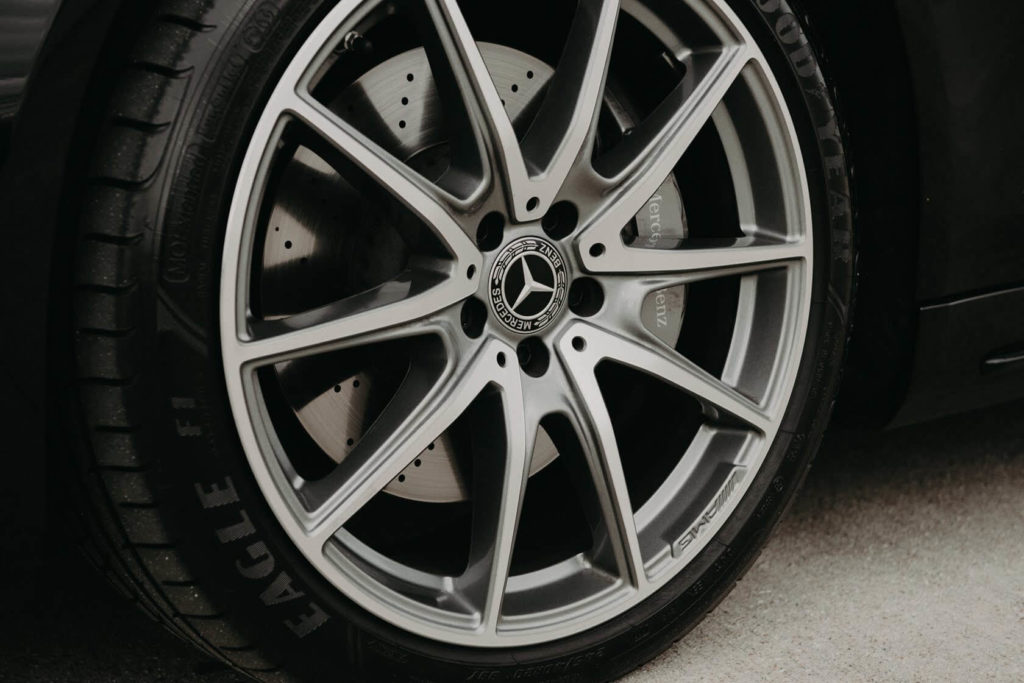
A run-flat system does not make a tire indestructible, nor does it guarantee that the vehicle can continue driving under every condition.
A practical tire-maintenance routine
- Check tire pressure regularly and follow the specified pressures for the vehicle’s configuration.
- Inspect the tread and sidewalls for cuts, bulges, embedded objects, and uneven wear.
- Confirm that the tires meet the required load and speed specifications.
- Have unexplained vibration or changes in handling investigated.
- Follow the run-flat manufacturer’s inspection and replacement requirements.
- Ensure that replacement tires and any associated run-flat components are compatible with the system installed.
Owners should also understand the limitations of their particular run-flat equipment. The distance and speed possible after pressure loss depend on the system, vehicle load, damage, road conditions, and manufacturer’s instructions.
For security vehicles, tire maintenance is not simply about extending tire life. It is about preserving a critical part of the vehicle’s ability to remain mobile.
3. Protect the Integrity of the Ballistic Glass
Ballistic glass is one of the most visible features of an armored vehicle, but its importance goes well beyond appearance.
Specialized ballistic glazing is engineered to provide protection against specified threats while maintaining visibility. Armormax uses its Lightweight Transparent Armor (LTA®) technology as part of its vehicle protection solutions.
Because ballistic glazing differs from ordinary automotive glass, owners should not assume that every scratch, chip, crack, or change in appearance can be treated like a conventional windshield issue.
What should you look for?
During routine cleaning and inspection, pay attention to:
- Chips, cracks, or other visible damage.
- Changes in visibility or unusual optical distortion.
- Signs of separation or deterioration in the glazing layers.
- Damage around the glass edges or mounting areas.
- Problems with window operation or sealing.
Not every visible imperfection indicates that ballistic performance has been compromised. However, damage should be evaluated by a qualified specialist rather than dismissed or repaired using ordinary automotive-glass procedures.
Can you replace ballistic glass with standard automotive glass?
No—not if you intend to maintain the vehicle’s original ballistic protection in that area.
Replacement glazing must be appropriate for the vehicle, protection requirements, and installation. The surrounding structure and installation details also matter.
If the glass is damaged, contact the armoring provider or a qualified specialist to determine the appropriate repair or replacement.
A security vehicle is only as dependable as the protection system that has been engineered and installed.
4. Keep Doors, Locks, and Security Features Working Properly
An armored vehicle’s doors may contain protective materials and specialized hardware that are not present in the original vehicle. Additional weight and different operating requirements make regular inspection particularly important.
Doors should open and close properly, latches should engage securely, and locks should function as intended.
A door that becomes difficult to close, sits unevenly, or produces new noises may need adjustment or repair.
Include these checks in routine maintenance
Door operation: Check for changes in opening and closing effort, alignment, and latch engagement.
Locks and handles: Verify that normal locking and unlocking functions work reliably.
Window operation: Where operable ballistic windows are installed, check that they move smoothly and that their controls function as intended.
Seals: Inspect door and window seals for visible damage, deterioration, or water intrusion.
Electrical systems: Confirm that the vehicle’s normal controls and installed security equipment operate as expected.
Avoid forcing a heavy door or repeatedly operating a malfunctioning window. Improvised repairs can damage specialized components or compromise the intended installation.
For vehicles used by executive protection teams or corporate fleets, these checks should be documented and performed consistently rather than left until a problem becomes obvious.
5. Maintain the Engine, Cooling System, and Transmission
An armored vehicle still depends on its underlying powertrain. If the engine overheats, the transmission develops a fault, or a critical component fails, the additional protection will not solve the mechanical problem.
The appropriate maintenance schedule depends on the base vehicle, its engine, the armoring configuration, and how it is used.
A vehicle that spends most of its time in city traffic may face different demands from one that regularly travels long distances, operates in hot climates, or carries passengers and equipment throughout the day.
Engine and oil maintenance
Follow the vehicle manufacturer’s requirements for oil, filters, and service intervals, taking the completed vehicle’s operating conditions into account.
If the vehicle experiences frequent short trips, extended idling, or demanding operation, discuss the appropriate maintenance schedule with a qualified service provider.
Changes in oil level, unusual noises, warning lights, or unexplained performance loss should be investigated promptly.
Cooling-system performance
Additional weight and sustained operation can make cooling-system condition especially important.
Inspect coolant levels, hoses, radiators, heat exchangers, fans, and other relevant components according to the vehicle’s service requirements. Keep cooling surfaces free of accumulated debris and investigate temperature changes that differ from the vehicle’s normal behavior.
A larger radiator or other aftermarket component is not automatically necessary. First determine whether the existing system is operating correctly and whether the vehicle’s specific configuration calls for any additional measures.
Transmission and drivetrain
Follow the manufacturer’s maintenance requirements and pay attention to new vibration, harsh shifting, fluid leaks, or unusual noises.
Because an armored vehicle’s weight and operating demands may differ from those of the original vehicle, maintenance decisions should account for the actual configuration rather than relying on assumptions about an unmodified model.
The goal is to keep the vehicle dependable as a whole—not simply to focus on the armor while neglecting the systems that make it move.
6. Don’t Overlook the Battery and Electrical Systems
Modern vehicles rely on complex electrical systems for starting, engine management, communications, navigation, cameras, access controls, and other functions.
Depending on the vehicle and protection package, an armored conversion may also include additional electrical equipment or protection for critical components.
A weak battery or electrical fault can create problems that have little to do with the engine itself.
What owners should check
- Battery condition and charging-system performance.
- Warning lights or recurring electrical faults.
- Damaged wiring, loose connections, or signs of corrosion.
- Operation of installed security equipment.
- Functionality of locks, window controls, and other essential features.
- Any unusual battery drain when the vehicle is parked.
If the vehicle includes additional security equipment, confirm that it is maintained according to the relevant manufacturer’s instructions.
Avoid adding accessories or modifying wiring without understanding their electrical requirements. Poorly installed equipment can introduce reliability problems into a system that was previously working correctly.
For fleet operators, maintaining a record of electrical faults and repairs can help identify recurring issues before they affect daily operations.
7. Choose Upgrades That Solve a Real Problem
The aftermarket offers a wide range of performance, cooling, suspension, tire, and electronic upgrades. Some may be appropriate for an armored vehicle, but a modification is not automatically beneficial simply because it is marketed as heavy-duty.
The right question is: What problem is the upgrade intended to solve?
For example, suspension components may need to be selected or configured to accommodate the completed vehicle’s weight. Tire choices must account for load requirements. Cooling modifications should respond to an identified need. Additional electronics should be integrated without compromising existing systems.
Engine tuning deserves particular caution. An aggressive calibration may increase mechanical and thermal stress, and any changes must be evaluated against the vehicle’s drivetrain capability, intended use, and applicable emissions requirements.
Before approving a modification, consider three things:
- Does it address a documented problem or a genuine operational requirement?
- Is it compatible with the completed armored vehicle and its installed equipment?
- Will it preserve the vehicle’s safety, reliability, and applicable regulatory compliance?
In many cases, correcting a neglected maintenance issue provides more value than installing another aftermarket component.
8. Match Maintenance to the Security Environment
Not every armored vehicle operates under the same conditions.
A vehicle used for executive transportation in a major city may accumulate relatively modest mileage but spend considerable time idling in traffic. A vehicle used for corporate travel across multiple regions may face long distances, rough roads, dust, heat, and limited access to specialist repair facilities.
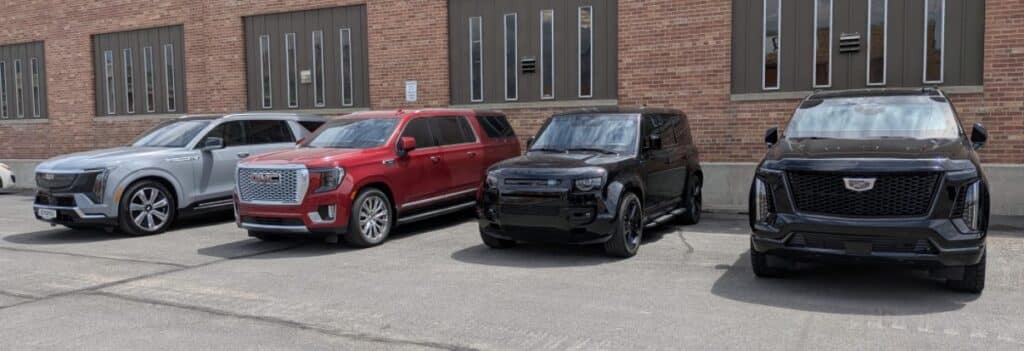
A vehicle supporting a commercial or institutional fleet may have several drivers and a demanding daily schedule.
These differences should influence the maintenance plan.
For executive and family vehicles
Prioritize dependable daily operation, clear visibility, functioning locks and windows, tire condition, and regular servicing. Make sure the driver knows how to recognize and report mechanical or security-system problems.
For corporate and security fleets
Use documented inspection procedures, maintenance records, and clear reporting responsibilities. Establish who is responsible for checking the vehicle, approving repairs, and confirming that it is ready to return to service.
For vehicles operating in demanding environments
Pay particular attention to tires, suspension, cooling, fluid condition, and the availability of appropriate replacement parts. Arrange specialist inspections when the vehicle’s configuration or operating environment requires them.
For every application, the maintenance plan should reflect the vehicle’s actual use rather than follow a generic checklist alone.
9. Create a Pre-Trip Inspection Routine
A short inspection before a journey can help identify obvious problems before they become more disruptive.
For vehicles used regularly by multiple drivers, a consistent checklist is especially valuable.
Before departure, check:
- Tire condition and any visible damage.
- Dashboard warnings and unusual instrument readings.
- Engine or other fluid leaks.
- Brakes, steering, and vehicle handling.
- Door closure, latching, and locking.
- Visibility through the glass.
- Operation of essential communications and installed security equipment.
- Any unresolved fault reported during the previous trip.
If a safety-critical or protection-related issue is identified, have it assessed before the vehicle is relied upon again.
This inspection is not a substitute for scheduled servicing or specialist examinations. It is an additional way to catch changes that might otherwise go unnoticed.
Fleet managers should also keep a record of defects, corrective work, and return-to-service decisions. Consistent documentation makes it easier to identify recurring problems and establish accountability.
10. Know When to Call an Armoring Specialist
Routine servicing can be handled by a qualified automotive workshop when the work falls within its capabilities. However, certain issues require knowledge of the vehicle’s armoring configuration.
These may include damage to ballistic glazing, concerns about protective materials or their installation, specialized door hardware, run-flat system issues, or modifications that could affect the integrity of the protection package.
An ordinary mechanical repair should not inadvertently compromise a specialized security system.
If the vehicle has been involved in a collision, sustained significant damage, or undergone a modification affecting protected areas, seek an appropriate professional assessment before assuming its protection remains unchanged.
Keep documentation of the vehicle’s protection specifications, installed equipment, maintenance history, and any relevant repairs. That information can help a qualified specialist determine what needs to be inspected.
At Armormax, the objective is to integrate protection into the vehicle while preserving its appearance and practical usability. Maintaining that result requires appropriate servicing and attention to the completed vehicle—not simply the original factory specifications.
Final Thoughts: Reliability Is Part of Security
An armored vehicle is an investment in protection, but its value depends on more than the materials installed during the conversion.
The tires must support the vehicle. The brakes and suspension must perform as intended. The engine and cooling system must remain dependable. The doors, glass, locks, and installed security features must function correctly.
Neglecting those systems can undermine the practical value of an otherwise well-engineered vehicle.
The best approach is to establish a maintenance routine, investigate unusual changes promptly, document inspections, and use qualified specialists when a repair could affect the protection system.
There is no single upgrade that guarantees reliability, and no maintenance plan can eliminate every possible failure. But thoughtful maintenance can help identify developing problems, reduce avoidable downtime, and keep the vehicle operating as intended.
Armormax has been engineering armored vehicles since 1993, with protection solutions tailored to different vehicles and security requirements.
If you are considering an armored vehicle—or want to understand the maintenance requirements of an existing one—start with the vehicle’s configuration, intended use, and required level of protection.
Explore armored vehicle solutions at Armormax.com, or contact 801-3931075 and the Armormax team to discuss the right vehicle and protection package for your needs.